After using herbicide, the safe planting time depends on the active ingredient, next crop, soil condition, rainfall, temperature, and local label instructions. Some herbicides have little soil residual concern. Others may stay active in the soil and affect sensitive crops planted later.
Always follow the approved local label before planting the next crop.
Quick Answer
There is no single waiting time after herbicide use.
The right plant-back interval depends on:
- Which herbicide was used
- Whether it has soil residual activity
- What crop will be planted next
- How sensitive that crop is
- Soil pH, moisture, organic matter, and temperature
- Local registration and label restrictions
A herbicide that is safe before one crop may not be safe before another. This is why the label must be checked before crop rotation.
What Is a Herbicide Plant-Back Interval?
A herbicide plant-back interval is the waiting period between herbicide application and planting the next crop.
The purpose is simple:
to reduce the risk of crop injury from herbicide residue in soil.
Plant-back intervals are also called:
- Crop rotation restrictions
- Replanting intervals
- Rotation intervals
- Herbicide use intervals
These terms are closely related. They all help growers understand when it is safe to plant another crop after herbicide use.
Why Herbicide Carryover Can Affect the Next Crop
Herbicide carryover happens when active herbicide remains in the soil long enough to affect the following crop.
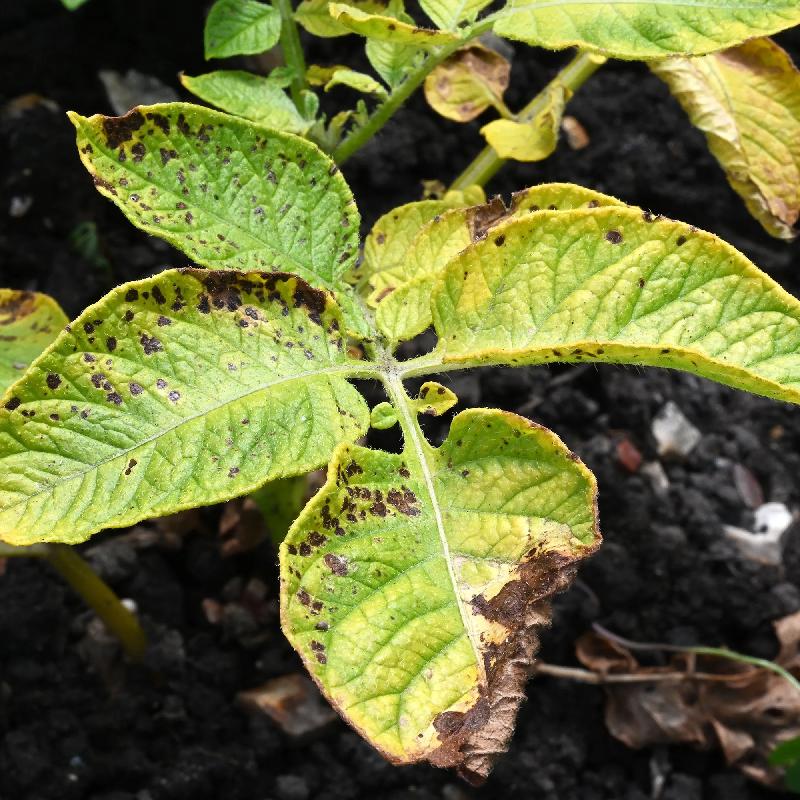
This risk is higher with some residual herbicides. Young seedlings and sensitive crops may absorb herbicide residue through roots or emerging shoots. The result can be weak emergence, yellowing, stunting, poor root growth, or uneven crop stands.
Carryover risk often increases when herbicide breakdown is slow. Dry weather, cold soil, high soil pH, low organic matter, or repeated residual herbicide use can all make the risk higher.
Which Herbicides Need More Attention Before Planting?
Some herbicide groups need closer review before crop rotation. This does not mean they are bad choices. It means their residual activity must match the next crop plan.
| Herbicide Group | Why It Needs Attention | What to Check |
|---|---|---|
| Sulfonylurea herbicides | Sensitive broadleaf crops may be affected | Soil pH, rainfall, next crop restriction |
| Imidazolinone herbicides | Some crops may need longer rotation planning | Crop sensitivity and field history |
| Triazine herbicides | Soil persistence can matter in some fields | Soil type, moisture, and label limits |
| Dinitroaniline herbicides | Residual activity may affect some crops | Seedbed condition and rotation interval |
| Glyphosate-only herbicides | Usually lower soil residual concern | Product label and crop timing |
The key point is not only the herbicide name. The real question is whether the active ingredient, soil condition, and next crop are compatible under local label rules.
Why Sensitive Crops Need Extra Care
Some crops are more sensitive to herbicide carryover than others.
Vegetables, potatoes, beans, oilseed crops, and many broadleaf crops may show stronger injury if planted too soon after certain residual herbicides. The first signs may appear during emergence or early growth.
Common symptoms include:
- Poor germination
- Uneven emergence
- Yellow leaves
- Stunted plants
- Restricted roots
- Slow early growth
These symptoms can also come from disease, cold soil, drought, poor seed quality, or fertilizer stress. Herbicide carryover should be judged with the full field situation, not by symptoms alone.
What Should You Check Before Planting the Next Crop?
Before planting after herbicide use, check the main risk factors first.
| Question to Check | Why It Matters |
|---|---|
| What active ingredient was used? | Different herbicides break down at different speeds |
| What crop will be planted next? | Crop sensitivity controls the risk level |
| Does the herbicide have residual soil activity? | Residual activity may affect the next crop |
| Was the season dry or cold? | Breakdown may be slower under stressful conditions |
| What is the soil pH? | Some herbicides persist longer in certain pH ranges |
| Was more than one residual herbicide used? | Combined programs may increase rotation limits |
| What does the approved label say? | The label gives the legal plant-back restriction |
If there is any doubt, follow local label guidance and seek local agronomic advice before planting sensitive crops.
Common Mistakes About Herbicide Planting Intervals
Many crop injury problems come from simple mistakes.
One common mistake is assuming all herbicides behave like glyphosate. Glyphosate-only herbicides usually have lower soil residual concern, but many residual herbicides are different.
Another mistake is ignoring dry weather. If the season was dry, herbicide breakdown may be slower. The next crop may face higher risk, especially if it is sensitive.
Growers may also focus only on the crop planted today and forget the next crop. For residual herbicides, crop rotation planning should start before application, not after damage appears.
Plant-Back Interval vs Weed Control Interval
These two ideas are different.
A weed control interval is about how long the herbicide can suppress weeds.
A plant-back interval is about how long you should wait before planting the next crop.
A herbicide may control weeds for a useful period, but that same residual activity can become a risk if a sensitive crop is planted too soon.
FAQ
What does plant-back interval mean?
It means the waiting period between herbicide use and planting the next crop. It helps reduce carryover injury risk.
Is herbicide carryover the same as herbicide residue?
They are related. Residue means herbicide remains in the soil. Carryover means enough remains to affect the next crop.
Can I plant vegetables after using herbicide?
Only if the approved label allows it. Vegetables can be sensitive to some residual herbicides, so crop rotation restrictions must be checked.
Does glyphosate have a long plant-back interval?
Glyphosate-only herbicides usually have lower soil residual concern, but the product label and local crop rules still matter.
Why does dry weather increase carryover risk?
Dry soil can slow herbicide breakdown. When breakdown is slower, more active residue may remain for the next crop.
Should I follow general online advice or the label?
Follow the approved local label. General advice cannot replace local registration, crop restrictions, soil conditions, and label-approved use conditions.
Practical Summary
The safe planting interval after herbicide use depends on the active ingredient, next crop, soil condition, weather, carryover risk, and the approved local label.