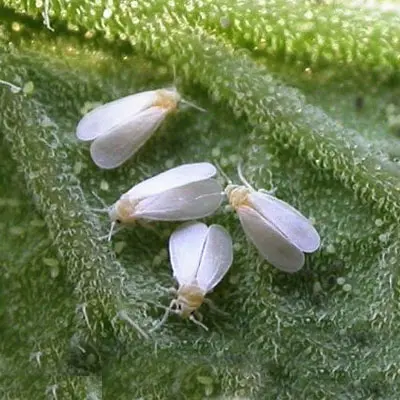
Pyriproxyfen is an insect growth regulator. Its main mode of action is juvenile hormone mimicry.
More specifically, pyriproxyfen acts as a juvenile hormone receptor modulator. It interferes with the normal hormonal signals that insects need for growth, molting, metamorphosis, egg hatch, adult emergence, and reproduction.
This makes pyriproxyfen different from fast knockdown insecticides. It does not mainly work by immediate nerve poisoning. Instead, it disrupts insect development and prevents the population from developing normally.
In simple terms:
Pyriproxyfen works by mimicking juvenile hormone activity in insects, disrupting normal development and reproduction.
Quick Answer: How Does Pyriproxyfen Work?
Pyriproxyfen works as an insect growth regulator. It mimics juvenile hormone activity and disrupts the normal development process of insects.
Insects need precise hormone signals to move from one life stage to another. Pyriproxyfen interferes with this process. As a result, immature insects may fail to molt correctly, fail to develop into normal adults, or produce reduced viable offspring.
| Item | Information |
|---|---|
| Active ingredient | Pyriproxyfen |
| Pesticide type | Insecticide |
| Functional type | Insect growth regulator |
| Mode of action | Juvenile hormone mimic / juvenile hormone receptor modulation |
| IRAC group | Group 7 |
| Chemical class | 7C, pyriproxyfen |
| Main biological effect | Disrupted insect development |
| Typical result | Failed molting, reduced adult emergence, impaired reproduction |
The core definition is direct:
Pyriproxyfen is an IRAC Group 7C insect growth regulator that disrupts insect development by mimicking juvenile hormone activity.
What Type of Insecticide Is Pyriproxyfen?
Pyriproxyfen is an insect growth regulator, often shortened as IGR.
An insect growth regulator does not work in the same way as a conventional fast-acting adulticide. It does not mainly aim for immediate knockdown of adult insects.
Instead, it affects insect development.
Pyriproxyfen should be understood as:
- An insecticide
- An insect growth regulator
- A juvenile hormone mimic
- A juvenile hormone receptor modulator
- An IRAC Group 7 insecticide
- A 7C chemical class active ingredient
This classification is important because it explains why pyriproxyfen may not show the same immediate visual effect as nerve-acting insecticides.
Pyriproxyfen as an Insect Growth Regulator
An insect growth regulator affects the normal development of insects.
Insects do not grow like mammals. They pass through different life stages, and these transitions are controlled by internal hormone signals.
Pyriproxyfen interferes with these signals.
What Insect Growth Regulator Means
An insect growth regulator controls or disrupts insect development.
It may affect:
- Molting
- Metamorphosis
- Egg hatch
- Larval or nymphal development
- Adult emergence
- Reproductive development
This does not mean the insect always dies immediately after exposure. The effect is often seen later through abnormal development, failed emergence, or reduced reproduction.
Why Juvenile Hormone Matters
Juvenile hormone helps regulate insect development.
In a normal insect life cycle, juvenile hormone levels must change at the right time. These changes allow the insect to move from one stage to the next.
When juvenile hormone signaling is disrupted, normal development can fail.
Pyriproxyfen mimics juvenile hormone activity. This false hormonal signal interferes with the normal timing of insect development.
What Happens When Development Is Disrupted
When pyriproxyfen disrupts development, insects may not complete their life cycle normally.
Possible biological effects include:
- Abnormal molting
- Failed metamorphosis
- Reduced egg hatch
- Reduced adult emergence
- Reduced reproductive success
- Population development interruption
This is the practical meaning of pyriproxyfen mode of action.
Juvenile Hormone Mimic: The Core Mechanism
The core mechanism of pyriproxyfen is juvenile hormone mimicry.
Insects depend on accurate hormone balance. Juvenile hormone helps decide whether an immature insect continues developing as a juvenile form or progresses toward adult development.
Pyriproxyfen imitates this hormone signal.
When the signal is artificially maintained or disrupted, the insect may receive the wrong developmental message. This can prevent normal transition from immature stages to adult stages.
The mechanism can be explained in one chain:
Pyriproxyfen → juvenile hormone mimicry → abnormal hormone signaling → disrupted molting and metamorphosis → reduced adult emergence and reproduction
This chain is the most important concept on this page.
Pyriproxyfen and IRAC Group 7C
Pyriproxyfen is classified by IRAC as Group 7, juvenile hormone receptor modulators.
Within this group, pyriproxyfen is placed in chemical class 7C.
This classification identifies its mode of action.
It also separates pyriproxyfen from other insecticide groups.
For example:
- Group 1 insecticides affect acetylcholinesterase.
- Group 3 insecticides affect sodium channels.
- Group 4 insecticides affect nicotinic acetylcholine receptors.
- Group 7 insecticides affect juvenile hormone signaling.
Pyriproxyfen belongs to Group 7C, so its core action is developmental disruption through juvenile hormone mimicry.
Why Pyriproxyfen Does Not Work Like Fast Knockdown Insecticides
Pyriproxyfen should not be described as a fast knockdown insecticide.
Fast knockdown insecticides often act on the nervous system and may cause quick paralysis or death. Pyriproxyfen works differently.
Its main effect is not immediate adult mortality. Its main effect is disruption of development and reproduction.
This is why the visible result may appear through:
- Eggs that do not hatch normally
- Larvae or nymphs that fail to develop normally
- Adults that fail to emerge properly
- Reduced reproduction in exposed populations
- Gradual population decline
This difference matters because mode of action affects how the product should be understood.
Pyriproxyfen works through growth regulation, not rapid nerve knockdown.
What Pyriproxyfen Mode of Action Does Not Mean
A clear definition also needs boundaries.
It Does Not Mean Pyriproxyfen Is a Fast Adult Knockdown Insecticide
Pyriproxyfen’s main role is developmental disruption. It should not be explained as a product that primarily kills adults immediately.
It Does Not Mean Pyriproxyfen Works Only by Direct Nerve Poisoning
Pyriproxyfen is not mainly defined by nerve toxicity. Its mode of action is juvenile hormone mimicry.
It Does Not Mean Every Life Stage Responds the Same Way
The effect of pyriproxyfen depends on insect life stage and biological sensitivity. Eggs and immature stages are often more relevant to its mode of action than immediate adult knockdown.
It Does Not Mean Mode of Action Is the Same as Application Method
Mode of action explains how pyriproxyfen affects insect biology. Application method describes how a product is used. These are different concepts.
It Does Not Mean It Is the Same as Other IGRs
Pyriproxyfen is an insect growth regulator, but not all IGRs work through the same hormonal pathway. Some affect chitin synthesis. Pyriproxyfen is specifically linked to juvenile hormone activity.
FAQ
What is the mode of action of pyriproxyfen?
Pyriproxyfen mimics juvenile hormone activity in insects. This disrupts normal development, including molting, metamorphosis, egg hatch, adult emergence, and reproduction.
What IRAC group is pyriproxyfen?
Pyriproxyfen belongs to IRAC Group 7, juvenile hormone receptor modulators. Its chemical class is 7C.
Is pyriproxyfen an insect growth regulator?
Yes. Pyriproxyfen is an insect growth regulator. It affects insect development rather than mainly causing fast adult knockdown.
Is pyriproxyfen a juvenile hormone mimic?
Yes. Pyriproxyfen mimics juvenile hormone activity and interferes with normal insect developmental signaling.
Does pyriproxyfen kill adult insects quickly?
Not usually as its main effect. Pyriproxyfen mainly disrupts development and reproduction. It should not be explained as a fast knockdown adulticide.
What does juvenile hormone mimic mean?
It means pyriproxyfen imitates juvenile hormone activity in insects. This false hormonal signal disrupts normal growth and development.
What biological processes does pyriproxyfen affect?
Pyriproxyfen can affect molting, metamorphosis, egg hatch, adult emergence, and reproduction by interfering with juvenile hormone signaling.
Practical Summary
Pyriproxyfen is an insect growth regulator. Its mode of action is juvenile hormone mimicry and juvenile hormone receptor modulation.
It belongs to IRAC Group 7C.
The simplest definition is:
Pyriproxyfen disrupts insect development and reproduction by mimicking juvenile hormone activity, leading to abnormal molting, failed metamorphosis, reduced adult emergence, and reduced reproductive success.