
.jpg)
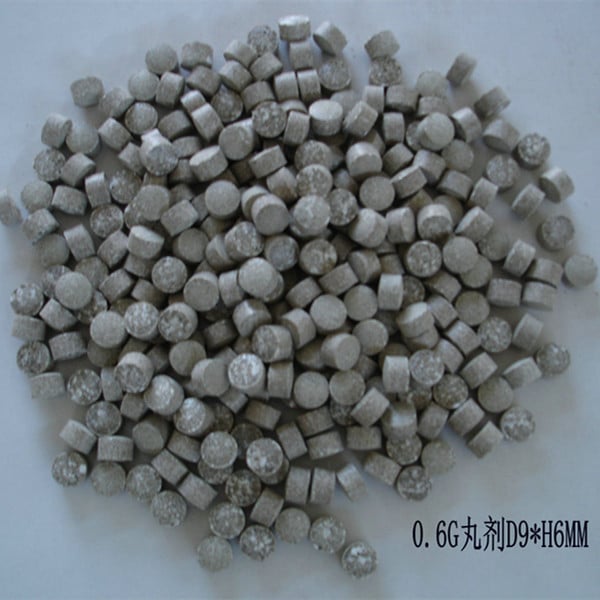
Aluminium Phosphide 56% TB Fumigant
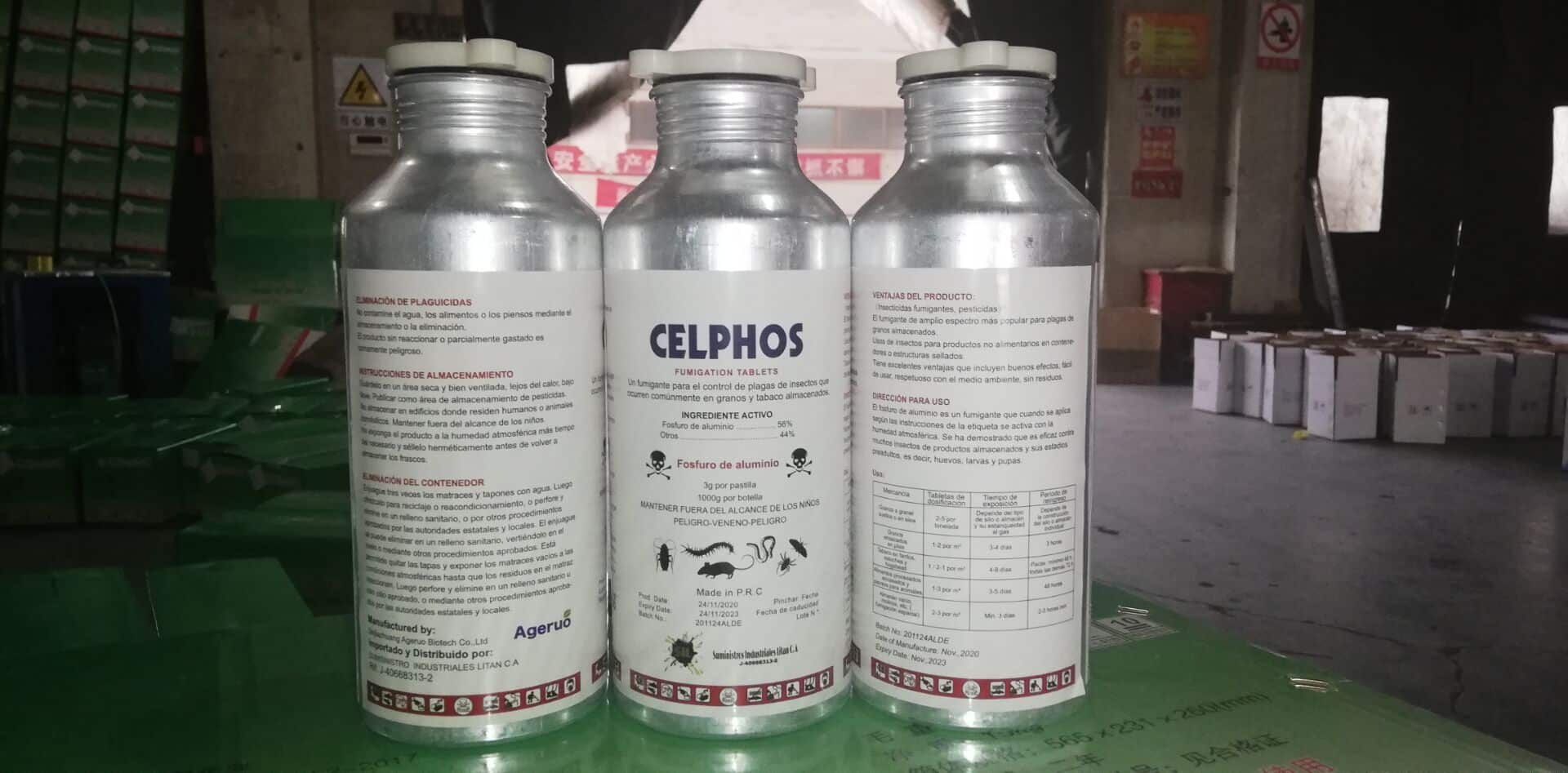
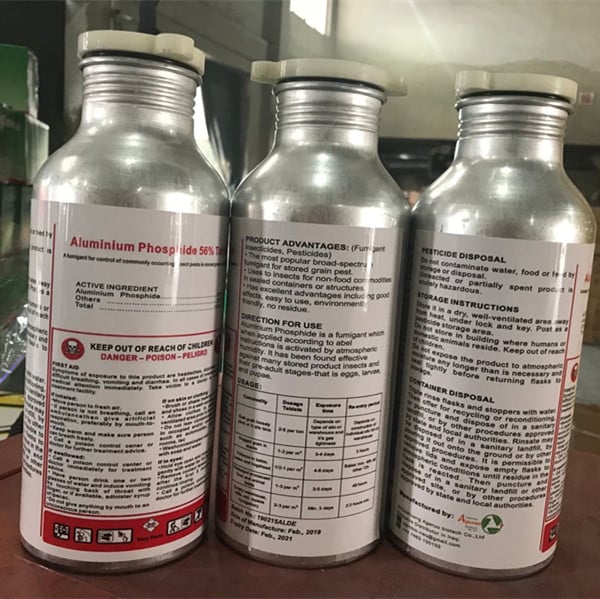
Aluminium Phosphide 56% TB is a professional fumigant for registered stored-grain and sealed-space pest-control programs. It releases phosphine gas after exposure to atmospheric moisture, allowing the fumigant to move through enclosed commodities and storage structures.
This product is not a conventional contact spray or household insecticide. It must only be handled by trained, licensed, or otherwise authorized fumigation professionals under the approved local label.
SunAgro supplies Aluminium Phosphide 56% TB for qualified importers, fumigant distributors, grain-storage companies, registration partners, and professional pest-control channels.
Stable Formulation Supply
SunAgro Brand Products
Registration Support
Distributor Cooperation
Aluminium Phosphide 56% TB Fumigant Description
Aluminium Phosphide 56% TB Fumigant Description
| Item | Product Information |
|---|---|
| Product Name | Aluminium Phosphide 56% TB |
| Active Ingredient | Aluminium Phosphide |
| Content | 56% |
| Formulation | TB, Tablet |
| Product Type | Professional Fumigant Insecticide |
| Active Fumigant Gas | Phosphine |
| Main Use Direction | Registered stored-commodity and sealed-space fumigation |
| Primary Market | Grain storage, warehouse, silo, logistics, and professional fumigation channels |
| Main Pest Direction | Stored-product insects where locally registered |
| Application Environment | Approved enclosed treatment structures |
| User Requirement | Trained, licensed, or authorized fumigation personnel |
| Supply Direction | SunAgro branded product for registration, import, and distribution |
| Document Support | COA, SDS/MSDS, TDS, product specification, packing information, and available registration files |
The final tablet weight, gas-release specification, target commodities, pest claims, dosage, exposure period, aeration requirements, and re-entry conditions must follow the approved destination-market label.
What Is Aluminium Phosphide 56% TB Used For?
The product is mainly used to control insects hidden inside stored commodities and enclosed storage structures.
Surface treatments may not reach pests located deep inside grain, packaging, cracks, or commodity stacks. Phosphine gas can move through a properly sealed treatment space and expose pests that are difficult to reach with ordinary contact insecticides.
Registered application areas may include:
- Bulk stored grain
- Grain silos and bins
- Warehouses
- Approved commodity stacks
- Sealed storage rooms
- Shipping containers where registered
- Processing and storage facilities
- Other approved enclosed fumigation structures
It must not be positioned for homes, occupied buildings, open-field spraying, or unlicensed personal use.
How Does Phosphine Fumigation Work?
Phosphine Gas Release
Aluminium Phosphide tablets react with moisture in the air and release phosphine gas.
The basic process is:
- The tablet is placed within an approved sealed fumigation system.
- Atmospheric moisture starts the gas-release process.
- Phosphine moves through the enclosed treatment space.
- Stored-product pests are exposed to the fumigant.
- Cellular respiration and energy production are disrupted.
- Susceptible pests die after sufficient exposure.
The tablet itself is not a contact spray. The released gas is responsible for the fumigation effect.
Why a Sealed Space Is Essential
Fumigation performance depends on maintaining the required gas concentration inside the treatment area.
Gas leakage can reduce pest control and create serious risks outside the fumigation zone. A structure must therefore be evaluated for sealing, gas retention, ventilation, monitoring, and emergency access before treatment begins.
The product should never be promoted as suitable for any warehouse without a professional site assessment.
Why Gas Monitoring Matters
Phosphine cannot be managed safely by smell.
The absence of a noticeable odor does not confirm that the area is safe. Professional gas-detection equipment must be used according to the approved fumigation plan and local regulations.
Monitoring supports:
- Exposure control
- Leakage detection
- Worker protection
- Aeration decisions
- Safe clearance
- Documented re-entry approval
Stored-Product Pest Directions
| Pest Direction | Typical Storage Risk | Commercial Boundary |
|---|---|---|
| Grain Weevils | Hidden feeding inside grain | Local registration required |
| Grain Borers | Damage within bulk commodities | Commodity dependent |
| Flour Beetles | Infestation in grain products and structures | Approved uses only |
| Stored-Product Moths | Larvae inside grain and packaged commodities | Pest dependent |
| Other Storage Beetles | Commodity contamination and weight loss | Follow local label |
| Resistant Populations | Reduced fumigation performance | Requires professional resistance management |
Grain Weevils and Borers
Weevils and grain borers can develop inside individual kernels or deep within grain bulks.
Their hidden feeding makes early detection difficult. Infestations may reduce weight, quality, germination, and commercial value.
Flour Beetles and Storage Beetles
Flour beetles and related pests may develop in grain products, processing residues, packaging areas, and structural cracks.
Effective management requires more than fumigation alone. Cleaning, sanitation, stock rotation, monitoring, and exclusion remain important.
Stored-Product Moths
Stored-product moth larvae can infest grain, flour, seeds, processed products, and packaged commodities.
Fumigation claims must remain limited to the pest species, commodity, structure, and conditions approved on the local label.
Professional Application Areas
Grain Silos and Bins
Silos and grain bins are major commercial fumigation environments.
Professional planning must consider:
- Grain depth
- Commodity condition
- Structure tightness
- Temperature
- Moisture
- Gas distribution
- Monitoring access
- Aeration capability
A product specification alone does not determine whether a silo can be fumigated safely.
Warehouses and Commodity Stores
Warehouses may contain bulk materials, bagged commodities, packaging, equipment, and sensitive electrical systems.
The fumigation company must assess the complete structure and isolate the treatment zone from workers, visitors, neighboring buildings, and public access.
Shipping Containers
Container fumigation may be relevant where approved by the destination market and transport system.
Requirements can vary by commodity, port, carrier, route, container condition, and national regulation. A container must not be opened or released until the approved aeration and clearance requirements have been completed.
Grain Processing and Reserve Facilities
Large processors and government grain-reserve systems often require strict documentation, batch traceability, professional application procedures, and emergency planning.
The product is therefore more suitable for institutional and licensed B2B channels than ordinary agricultural retail.
TB Tablet Formulation Features
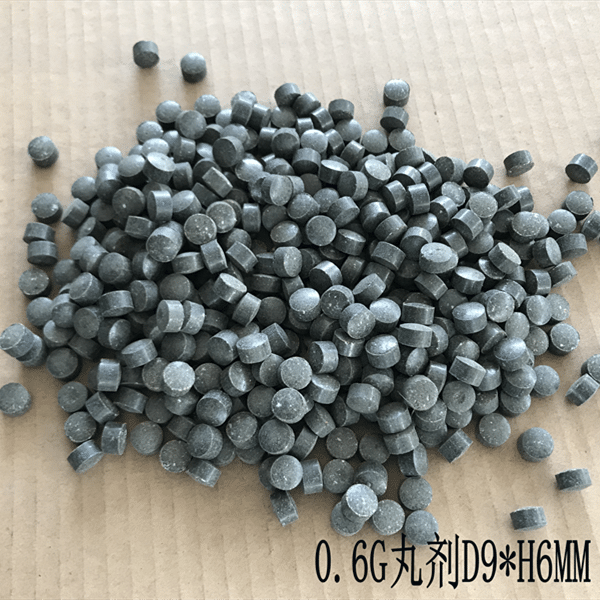
TB means tablet.
The solid formulation is designed to remain stable inside its sealed package and release phosphine only under approved fumigation conditions.
Important tablet characteristics may include:
- Active ingredient content
- Tablet weight
- Tablet dimensions
- Mechanical integrity
- Controlled gas-release characteristics
- Manufacturing uniformity
- Residual material characteristics
- Moisture sensitivity
- Batch consistency
The exact tablet weight and theoretical phosphine output must come from the SunAgro product specification. Data from 55% products or other tablet sizes should not be copied into a 56% TB page.
Packaging and Moisture Protection
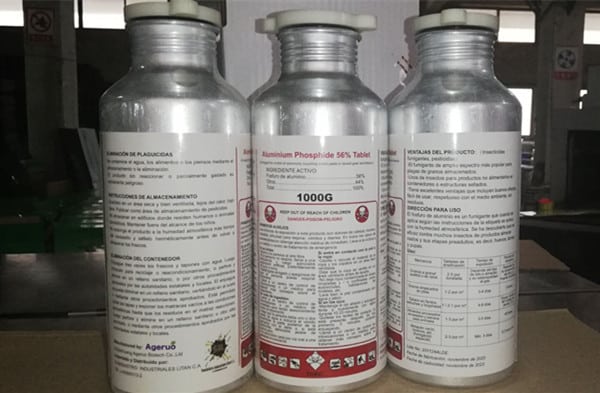
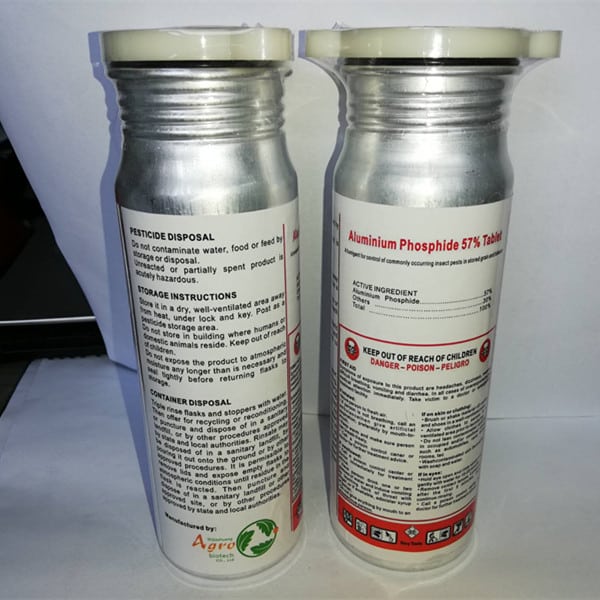
Packaging integrity is a critical safety and quality requirement.
Aluminium Phosphide begins reacting when exposed to moisture. The container must therefore protect the tablets during storage, transport, customs clearance, and distribution.
Relevant packaging controls include:
| Packaging Control | Procurement Importance |
|---|---|
| Gas-Tight Container | Limits moisture entry and gas leakage |
| Inner Seal Integrity | Protects unopened product stability |
| Container Compatibility | Reduces corrosion and material interaction |
| Moisture Resistance | Prevents premature gas release |
| Tamper Control | Supports regulated distribution |
| Batch Coding | Maintains traceability |
| Warning Label | Communicates hazards and legal restrictions |
| Outer Carton Strength | Protects containers during transport |
| Leakage Inspection | Supports shipment safety |
Opened containers must only be managed according to the approved label and professional fumigation procedures.
The product should not be repacked casually or transferred into unapproved containers.
Product Advantages
Aluminium Phosphide 56% TB has a specialized role within professional stored-product pest management.
Its main commercial advantages include:
- Phosphine-releasing fumigation action
- Penetration through properly sealed commodity spaces
- Relevance to hidden stored-product insects
- Tablet format for professional fumigation systems
- Clear grain-storage and warehouse market positioning
- Strong demand from institutional storage channels
- Gas-tight packaging requirements that support professional distribution
- Product and batch documentation for registration review
- SunAgro branded supply direction
- Long-term cooperation potential with licensed fumigation partners
These advantages depend entirely on legal use, professional sealing, monitoring, exposure control, aeration, and clearance.
Aluminium Phosphide Tablets vs Pellets
Tablets and pellets use the same general phosphine-generating principle, but they are not identical product specifications.
| Dimension | 56% TB Tablets | Pellets |
|---|---|---|
| Product Form | Larger compressed units | Smaller compressed units |
| Formulation Code | TB | Product-specific code |
| Unit Size | Based on product specification | Usually smaller |
| Gas-Release Pattern | Depends on tablet design and conditions | Depends on pellet design and conditions |
| Placement Planning | Label and fumigation-plan dependent | Label and fumigation-plan dependent |
| Packaging | Gas-tight regulated container | Gas-tight regulated container |
| Registration | Independent product registration | Independent product registration |
A tablet dosage must never be converted into a pellet dosage without an approved label and product-specific calculation.
SunAgro’s page should remain focused on 56% TB tablets, not a mixed tablet-and-pellet product family.
Aluminium Phosphide vs Contact Warehouse Insecticides
Fumigants and contact insecticides serve different operational purposes.
| Item | Aluminium Phosphide 56% TB | Contact Warehouse Insecticide |
|---|---|---|
| Main Action | Phosphine gas fumigation | Direct surface contact |
| Treatment Environment | Sealed and controlled space | Approved surfaces or structures |
| Hidden Pest Reach | Gas can move through enclosed commodities | Limited by spray coverage |
| Residual Surface Action | Not the main product role | May provide residual activity |
| Operator Requirement | Specialist fumigation capability | Depends on local label |
| Monitoring | Gas detection and clearance required | Application-specific monitoring |
| Key Risk | Toxic gas exposure and fire risk | Product-specific exposure risk |
The products should not be presented as direct substitutes.
A professional storage program may combine sanitation, monitoring, structural treatment, stock management, and fumigation when locally approved.
Professional Operator and Licensing Requirements
Aluminium Phosphide must only be supplied through qualified professional channels.
Depending on the country, operators may need:
- A fumigation license
- Restricted-use pesticide authorization
- Certified applicator status
- Dangerous-goods training
- Gas-monitoring capability
- Respiratory-protection training
- Emergency-response procedures
- Approved storage facilities
- Record-keeping systems
Importers must verify national registration, sales restrictions, user qualifications, storage licensing, and transport obligations before commercial distribution.
SunAgro does not position this product for direct consumer or unqualified retail sale.
Fumigation Planning and Aeration
Every treatment should be governed by a written professional fumigation plan.
The plan normally addresses:
- Site assessment
- Commodity identification
- Structure sealing
- Restricted-zone control
- Warning signs
- Operator responsibilities
- Gas monitoring
- Emergency procedures
- Exposure management
- Aeration
- Clearance testing
- Re-entry authorization
- Residue management
- Treatment records
This product page does not provide dosage, exposure time, or re-entry instructions. These values must come from the approved local label and site-specific professional plan.
A fumigated structure must remain restricted until monitoring confirms that the approved clearance conditions have been achieved.
Facility and Equipment Compatibility
Phosphine may affect certain metals and sensitive equipment, particularly under humid conditions.
Professional site assessment should consider:
- Copper components
- Brass fittings
- Silver-containing materials
- Electrical panels
- Electronic sensors
- Communication equipment
- Batteries
- Fire-alarm systems
- Motors and control systems
- Monitoring instruments
Sensitive equipment may require protection, isolation, or removal according to the approved plan.
This assessment should be completed before the fumigation area is sealed.
Safety and Emergency Boundaries
Phosphine exposure can be fatal.
Aluminium Phosphide must not contact liquid water, acids, or other materials that can cause uncontrolled gas release. Tablets, dust, or residues must never be allowed to accumulate in unsafe conditions.
Critical safety boundaries include:
- Do not use in homes or occupied spaces.
- Do not allow access by untrained personnel.
- Do not use odor as a gas-safety test.
- Do not open packaging outside approved conditions.
- Do not expose tablets to liquid water.
- Do not create concentrated piles of tablets or residues.
- Do not enter a fumigation zone without approved clearance.
- Do not work without suitable gas-monitoring equipment.
- Do not transport damaged or leaking packages.
- Do not improvise disposal or deactivation procedures.
Suspected exposure or uncontrolled gas release requires immediate implementation of the approved emergency plan and professional medical response.
The product label and SDS/MSDS must be available to operators, emergency personnel, warehouse managers, and transport partners.
Storage and Dangerous-Goods Transport
Store Aluminium Phosphide 56% TB in its original unopened gas-tight container.
Recommended controls include:
- Use a dry, cool, secure, and ventilated pesticide store.
- Protect containers from moisture.
- Keep the product away from water and acids.
- Restrict access to authorized personnel.
- Keep it away from food, feed, and medicines.
- Inspect containers for corrosion or damage.
- Maintain hazard labels and batch codes.
- Store according to local dangerous-goods requirements.
- Separate damaged packages immediately under an approved emergency procedure.
- Maintain inventory and distribution records.
International transport depends on dangerous-goods classification, packaging approval, carrier acceptance, route restrictions, port rules, and destination-country requirements.
Shipment feasibility must be confirmed before accepting an order.
Registration, Document, and Supply Support from SunAgro
SunAgro supplies branded products for qualified importers, registration companies, fumigant distributors, and professional grain-storage partners.
For Aluminium Phosphide 56% TB projects, available support may include:
- Product specification
- Certificate of Analysis
- SDS or MSDS
- Technical Data Sheet
- Tablet information
- Packing information
- Batch quality records
- Label information
- Available registration-related files
- Dangerous-goods document coordination
- Export-document support
- Long-term supply planning
Document availability depends on the destination country, cooperation stage, registration pathway, and transport feasibility.
SunAgro does not guarantee regulatory approval or shipment acceptance. Final decisions remain subject to national authorities, shipping companies, ports, and dangerous-goods regulations.
Qualified partners can review the wider SunAgro insecticide portfolio and discuss SunAgro brand registration cooperation.
Stable Supply Behind SunAgro Branded Products
Reliable tablet supply requires control of raw materials, tablet consistency, packaging integrity, and shipment conditions.
Raw Material and Production Control
Production review may include:
- Active ingredient verification
- Supporting-material control
- Tablet compression
- Tablet weight consistency
- Mechanical integrity
- Batch uniformity
- Moisture control
Batch Quality Inspection
Relevant inspection may include:
- Active ingredient content
- Tablet appearance
- Unit-weight variation
- Tablet dimensions
- Gas-release characteristics
- Packaging tightness
- Storage stability
- Batch coding
Packaging and Pre-Shipment Review
Containers and cartons are checked for:
- Seal integrity
- Corrosion
- Leakage
- Warning-label accuracy
- Batch traceability
- Carton strength
- Transport damage
- Dangerous-goods marking
Stable supply means more than producing tablets. It also requires compliant packaging, controlled storage, reliable documents, and an accepted dangerous-goods transport route.
Frequently Asked Questions
Request Aluminium Phosphide 56% TB
Aluminium Phosphide 56% TB is suitable for qualified companies with professional fumigation channels, regulated storage capability, and dangerous-goods import experience.
To evaluate the product, please provide:
- Target country
- Company type
- Registration status
- Fumigation license or authorization
- Intended storage or commodity market
- Required tablet specification
- Required packaging
- Expected annual volume
- Available dangerous-goods storage
- Import and transport capability
- Required technical documents
- Planned distribution channel
Request the product specification to review whether SunAgro Aluminium Phosphide 56% TB fits your local registration pathway, professional fumigation market, and dangerous-goods supply requirements.