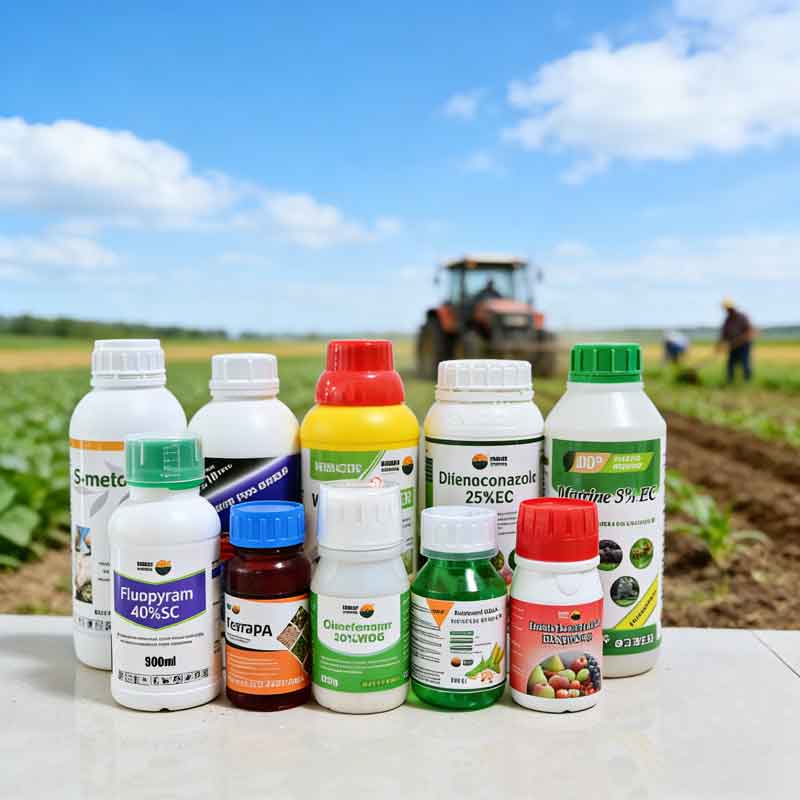
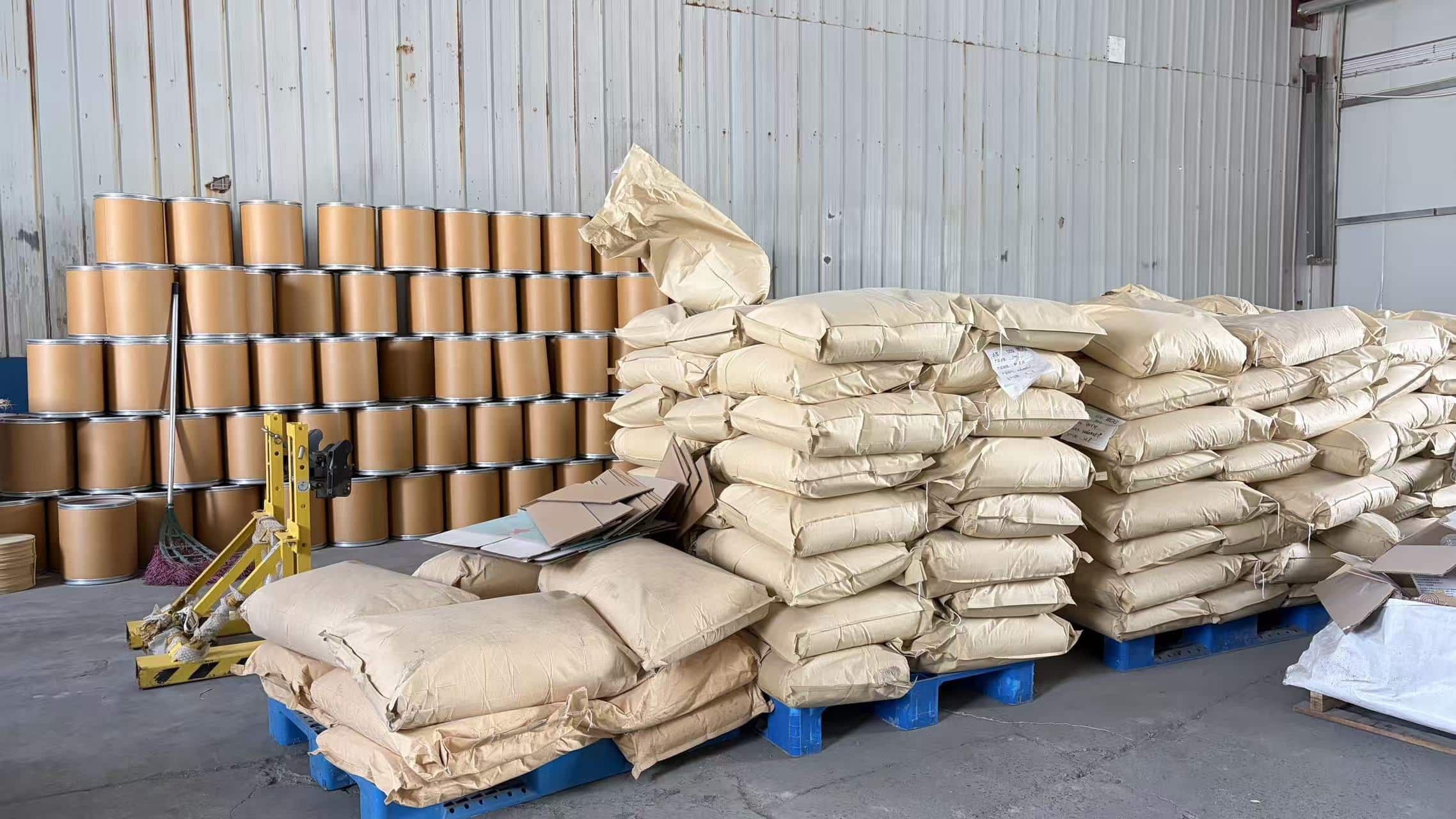
Before importing agrochemical products, distributors should request key documents from the supplier.
These documents are not only paperwork. They help confirm product quality, safety information, formulation details, registration readiness, customs communication, warehouse management, and local distribution preparation.
For importers, distributors, registration companies, and brand owners, complete documents can reduce risk before shipment. They also make supplier evaluation more professional.
A reliable agrochemical supplier should provide clear, consistent, and product-matched documents before import.
Quick Answer: Key Documents to Request Before Import
Before importing agrochemical products, distributors should request both technical documents and commercial shipping documents.
Key documents may include:
- COA
- MSDS or SDS
- TDS
- Product specification
- Label reference
- ICAMA-related information where applicable
- Registration-related product documents where required
- Commercial invoice
- Packing list
- Certificate of origin
- Bill of lading or airway bill
- Batch number and production information
The exact document requirement depends on product type, local regulation, import procedure, and buyer review process. Distributors should always confirm final requirements with local authorities, customs brokers, and registration partners.
Why Documents Matter Before Importing Agrochemicals
Agrochemical products are linked to quality control, safety, transport, storage, registration, and local market responsibility.
Before import, documents help distributors answer important questions:
- Is the product quality clear?
- Does the active ingredient content match the order?
- Is the formulation type correct?
- Is the product safe to transport and store?
- Can the product support local registration review?
- Are product name, content, formulation, and batch details consistent?
- Can the supplier support future repeat orders with the same document discipline?
In agrochemical importing, complete documents are part of supplier reliability.
If the documents are unclear, late, or inconsistent, the importer may face problems during customs clearance, registration planning, warehouse management, dealer communication, or quality review.
Technical Documents Distributors Should Request
Technical documents help importers understand the product before shipment.
They are especially important when the distributor is evaluating a new supplier, new formulation, or new product line.
| Document | What It Shows | Why It Matters |
|---|---|---|
| COA | Batch test results and active ingredient content | Confirms product quality before shipment |
| MSDS / SDS | Safety, handling, transport, and storage information | Supports compliance review and warehouse safety |
| TDS | Product technical profile and formulation information | Helps technical review, registration planning, and sales communication |
| Product Specification | Quality standards and key test items | Helps buyers compare product requirements clearly |
| Label Reference | Crop, target, and use direction structure | Supports local market review and registration preparation |
These documents should match the product being ordered.
For example, an SC product, EC product, WDG product, WP product, SL product, or FS product may have different quality indicators. The document package should reflect the real formulation type and active ingredient content.
Why COA Is Important Before Shipment
A COA, or Certificate of Analysis, is one of the most important documents before shipment.
It usually shows the test results of a specific product batch. For agrochemical products, the COA may include active ingredient content, appearance, pH value, water content, suspension rate, emulsion stability, wet sieve result, or other formulation-related indicators.
The exact test items depend on product type and agreed specification.
For distributors, COA is useful because it supports:
- Pre-shipment quality confirmation
- Internal quality records
- Batch tracking
- Supplier comparison
- Registration file preparation where needed
- Future quality communication if questions appear
A COA should be connected with the shipment batch. If the COA is generic and not linked to the product batch, buyers should ask for clarification.
Why MSDS or SDS Is Needed for Import and Storage
Many buyers still use the term MSDS, while SDS is also commonly used in international trade.
This document provides safety, handling, storage, transport, and emergency information. It helps importers understand how the product should be managed before and after arrival.
For agrochemical distributors, MSDS or SDS can support:
- Transport communication
- Warehouse safety management
- Internal compliance review
- Emergency response preparation
- Staff handling guidance
- Product classification discussion where needed
MSDS or SDS should be updated and match the exact product name, active ingredient, formulation type, and supplier information.
It should not be treated as a general file for all products.
Why TDS Helps Registration and Sales Teams
A TDS, or Technical Data Sheet, explains the product’s technical profile.
It is useful for importers, registration companies, technical teams, and local sales teams. It helps them understand what the product is, how it is positioned, and which market direction it may support.
A TDS may include:
- Product name
- Active ingredient
- Content
- Formulation type
- Appearance
- Product features
- Target crop or target pest reference
- Storage notes
- General application direction reference
- Packaging information where needed
TDS is not a substitute for the local product label or local registration document.
But it helps local partners review the product more clearly before import, registration planning, or market promotion.
Product Specification and Quality Standards
A product specification defines the agreed quality standard.
This document is important because it helps buyers understand what should be checked and what quality range is acceptable.
For different formulations, specification points may include:
- Active ingredient content
- Appearance
- pH value
- Moisture
- Suspensibility
- Emulsion stability
- Dispersibility
- Wet sieve result
- Persistent foam
- Fineness
- Storage stability
- Packaging requirement
Product specification helps reduce misunderstanding between buyer and supplier.
For repeat orders, it also helps both sides keep the same product standard over time.
Registration and Compliance-Related Documents
Registration-related documents depend on the local market.
Not every country requires the same files, and not every product is reviewed in the same way. Importers and registration companies should confirm the exact requirements with local authorities before planning import or registration.
| Document | When It May Be Needed | Practical Value |
|---|---|---|
| ICAMA-Related Information | Where China export or product verification is required | Helps buyers review China pesticide product information where applicable |
| Registration Certificate | When the product is already registered in a market | Supports legal market review |
| Registration Support Files | Before local registration planning | Helps registration companies prepare product review |
| Manufacturing Information | When required by buyer or local authority | Supports supplier verification |
| Label Reference | Before registration or sales planning | Helps local partners review crop, target, and claim structure |
| Product Specification | Before technical review or registration planning | Defines product quality and formulation standards |
These files should be requested early if the product is planned for local registration.
For importers who need deeper supplier review, it is also useful to evaluate agrochemical suppliers before registration by checking documents, samples, formulation stability, and supply reliability together.
ICAMA-Related Information: When Should Buyers Request It?
ICAMA-related information may be relevant when importers need to review China pesticide product information or China export-related details.
However, ICAMA should not be treated as a universal document required by every importing country.
Importers should request ICAMA-related information where applicable and confirm the final requirement with:
- Local regulatory authority
- Local registration consultant
- Customs broker
- Supplier
- Internal compliance team
For buyers working with Chinese agrochemical suppliers, ICAMA-related information can be part of product verification and registration discussion.
It should be used together with COA, MSDS/SDS, TDS, product specification, label reference, and other required documents.
Commercial and Shipping Documents for Import
Technical documents are not enough for import.
Distributors also need commercial and shipping documents to support customs clearance, logistics coordination, and warehouse receiving.
Common documents include:
| Document | Main Purpose |
|---|---|
| Commercial Invoice | Shows seller, buyer, product, quantity, unit price, and total value |
| Packing List | Shows packaging details, quantity, weight, and shipment structure |
| Certificate of Origin | Shows the origin of the goods where required |
| Bill of Lading / Airway Bill | Supports sea or air shipment tracking and cargo release |
| Sales Contract or Proforma Invoice | Confirms commercial terms before shipment |
| Insurance Document | Used when insurance is arranged |
| Shipping Marks | Helps identify cartons, drums, pallets, or containers |
| Batch Number List | Helps connect shipment goods with COA and production records |
These documents should match the actual shipment.
If the product name, quantity, packaging, or batch information is inconsistent across documents, the importer should correct it before shipment when possible.
Document Consistency: What Buyers Should Check
Having documents is not enough.
The information across all documents should be consistent.
Distributors should check whether the following details match:
- Product name
- Active ingredient name
- Active ingredient content
- Formulation type
- Batch number
- Net weight
- Gross weight
- Packaging size
- Number of cartons, drums, bags, or bottles
- Manufacturer or supplier information
- Label reference
- COA batch details
- Invoice and packing list information
- Bill of lading or airway bill details
Document inconsistency can create problems during import, registration, warehouse receiving, or internal quality review.
For example, if the COA shows one product name but the invoice shows another name, local partners may need clarification. If the batch number on the COA does not match the shipment goods, quality tracking becomes harder.
Clear document consistency helps importers save time and reduce avoidable communication.
Documents for Sample Orders vs Bulk Orders
The document package may be different for sample evaluation, pre-registration review, bulk shipment, and repeat orders.
| Order Stage | Recommended Documents |
|---|---|
| Sample Evaluation | TDS, MSDS/SDS, product specification, sample COA where available |
| Pre-Registration Review | COA, TDS, MSDS/SDS, ICAMA-related information where applicable, label reference, specification |
| Bulk Shipment | Batch COA, commercial invoice, packing list, certificate of origin, bill of lading or airway bill |
| Repeat Orders | Updated batch COA, consistent product documents, batch record information, shipment documents |
For sample orders, the goal is to understand product quality and technical profile.
For bulk shipments, the goal is to confirm the shipment batch, commercial information, logistics details, and document consistency.
For repeat orders, the goal is to keep quality, specification, and document structure stable over time.
Documents for Hot Climate Market Imports
For hot climate markets, document review should also support formulation and storage risk control.
Importers in regions such as the Middle East, Africa, Central Asia, and other high-temperature markets may need to pay more attention to storage stability, packaging compatibility, and formulation behavior.
Useful review points include:
- Hot storage stability information where available
- Packaging suitability
- Product specification
- COA indicators related to formulation quality
- TDS storage notes
- MSDS/SDS storage and handling information
- Label and carton durability discussion
- Batch consistency record
For these markets, stable formulations for hot climate markets should be reviewed together with the import document package.
A product may have complete documents, but if the formulation or packaging cannot support local storage conditions, the distributor may still face market complaints.
What Distributors Should Ask the Supplier Before Importing
Before confirming an order, distributors should ask clear document-related questions.
Useful questions include:
- Can you provide COA for the shipment batch?
- Is the MSDS or SDS updated?
- Can you provide TDS and product specification?
- Is ICAMA-related information available where applicable?
- Can you provide label reference for local review?
- Can you support registration-related product information where required?
- Can product name, active ingredient, content, and formulation remain consistent across documents?
- Can you provide commercial invoice and packing list before shipment?
- Can you provide batch number and production information?
- Can you support document preparation before the shipment date?
- Can you keep the same document format for repeat orders?
A reliable supplier should answer these questions clearly.
If the supplier cannot provide basic documents or gives inconsistent information, the buyer should review the cooperation risk carefully.
How SunAgro Supports Import Document Preparation
SunAgro supplies SunAgro branded crop protection products for local registration and distribution cooperation.
For qualified importers, distributors, registration companies, brand owners, agricultural retailers, and local crop protection partners, document preparation is part of product evaluation and market entry planning.
SunAgro supports local partners with:
- COA for shipment batch review
- MSDS/SDS preparation
- TDS preparation
- Product specification confirmation
- ICAMA-related information where applicable
- Label reference discussion
- Registration-related product information where required
- Sample and batch document support
- Packaging and shipment document coordination
- Clear communication for repeat order document consistency
SunAgro is not positioned as a registration agency. The role is to support local registration and distribution cooperation through clear product information, stable document preparation, sample evaluation, and supply planning.
Common Mistakes When Requesting Import Documents
Asking for Documents Too Late
Documents should be requested before shipment, not after cargo is ready.
Late document requests can delay customs preparation, registration review, warehouse planning, and internal approval.
Checking Only the File Names
It is not enough to receive files named COA, MSDS, or TDS.
Buyers should check whether the content matches the exact product, formulation, batch, supplier, and shipment.
Ignoring Batch Numbers
Batch numbers connect the product, COA, shipment goods, and future quality tracking.
If the batch number is missing or inconsistent, complaint handling becomes harder later.
Treating ICAMA as a Universal Requirement
ICAMA-related information may be useful where applicable, especially when reviewing China pesticide product information. But importers should confirm the final requirement with local authorities and suppliers.
Ignoring Document Consistency Across Repeat Orders
For long-term distribution, document consistency is important.
If product name, formulation type, specification, or supplier information changes often, local partners may lose confidence.
FAQ
What documents are needed before importing agrochemicals?
Distributors usually request COA, MSDS or SDS, TDS, product specification, label reference, registration-related documents where required, ICAMA-related information where applicable, commercial invoice, packing list, certificate of origin, and bill of lading or airway bill.
What is the difference between COA, MSDS, and TDS?
COA shows batch quality and test results. MSDS or SDS provides safety, handling, transport, and storage information. TDS explains the product’s technical profile, formulation information, and market-use reference.
Is ICAMA required for every agrochemical import?
No. ICAMA-related information is not automatically required for every import market. It may be requested where China pesticide product verification or export-related review is needed. Importers should confirm with local authorities and the supplier.
Should distributors request documents before sample testing?
Yes. Before sample testing, distributors should request at least basic technical documents such as TDS, MSDS/SDS, product specification, and sample COA where available. These files help buyers understand what they are evaluating.
Why must product information be consistent across documents?
Consistent product information helps avoid confusion during customs clearance, registration review, warehouse receiving, quality tracking, and local sales communication. Buyers should check product name, active ingredient, formulation type, batch number, and packaging details across documents.
Practical Summary
Before importing agrochemical products, distributors should request clear and consistent technical, compliance-related, and shipping documents.
The key documents include COA, MSDS/SDS, TDS, product specification, label reference, ICAMA-related information where applicable, registration-related product files, commercial invoice, packing list, certificate of origin, and bill of lading or airway bill.
These files help reduce risks in quality review, registration planning, customs communication, warehouse safety, and local distribution.
A supplier with clear and consistent documents is easier to trust for long-term cooperation.
SunAgro works with qualified local partners to support SunAgro branded crop protection products for local registration and distribution cooperation through product documents, sample evaluation, formulation discussion, and stable supply planning.