At Sun Agro Science, we do not see herbicide application as a simple spray task. We see it as a management decision that directly affects weed control, crop safety, and long-term program stability. In real field conditions, herbicide performance is shaped not only by the product itself, but also by crop sensitivity, weed size, application timing, weather, droplet size, and drift control. University extension guidance consistently shows that postemergence performance is usually better on smaller weeds, that preemergence timing changes activation and crop response, and that wind and nozzle choice directly influence drift risk.
In our view, this is why application best practices matter so much. A strong herbicide can still deliver weak results if it is applied too late, used under poor weather conditions, or positioned without enough attention to crop fit. Just as importantly, application errors do not only reduce efficacy. They can also increase crop injury risk, create drift problems, and weaken confidence in the overall weed-management program.
Why Herbicide Application Results Depend on More Than the Product
A herbicide result is rarely determined by chemistry alone. It is shaped by the interaction between the herbicide, the crop, the target weeds, the application window, and the surrounding environment.
This matters because poor application decisions usually show up in two places at once: weaker weed control and higher crop risk. Michigan State guidance states that timing and rate are critical in herbicide use and that poor timing often leads to reduced control and crop injury. That same practical logic is why better application planning usually improves both performance and risk control at the same time.
Crop Sensitivity Comes First
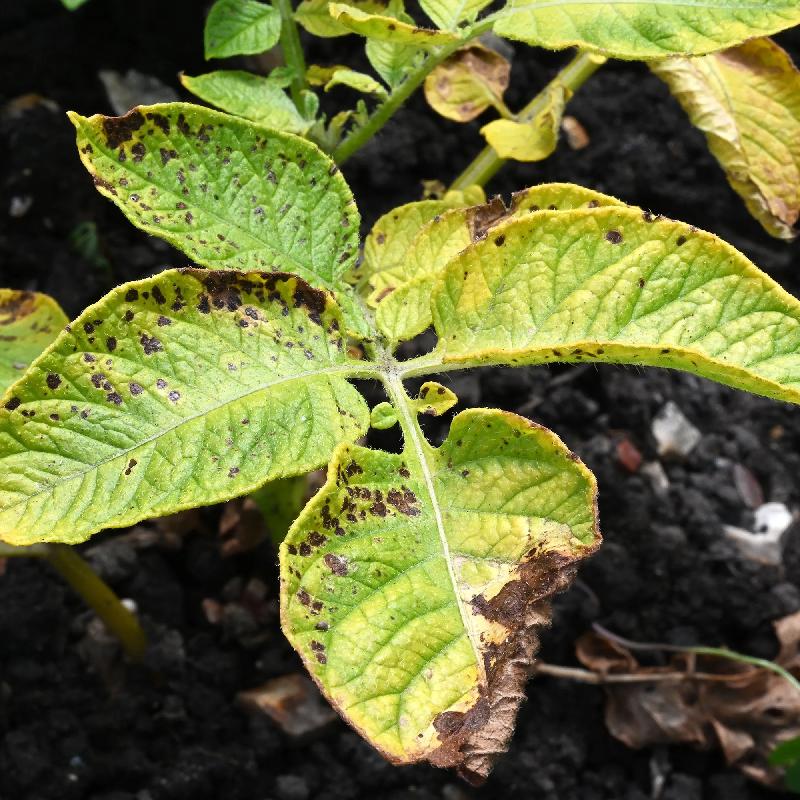
No crop is completely risk-free under all herbicide conditions. Michigan State explicitly notes that no crop is completely free from herbicide injury. That does not mean herbicides are inherently unsafe. It means crop tolerance is always conditional. It depends on the active ingredient, the crop species, the growth stage, and the environmental situation at the time of application.
This is one of the most important starting points for responsible herbicide positioning. In our view, crop fit should be confirmed before product enthusiasm. When a herbicide is positioned too broadly without enough attention to crop response, the commercial risk rises quickly.
Why Growth Stage Matters
Sensitive growth stages increase the chance of visible crop injury and unstable selectivity. This is why application timing should never be treated as a minor operational detail. A product that performs acceptably at one stage may become less forgiving at another. That is also why extension weed-control guides tie crop safety discussions closely to timing recommendations rather than treating them as separate topics.
Why Timing Matters in Herbicide Application
Timing is one of the strongest controllable factors in herbicide performance. Preplant, preemergence, and postemergence applications do not solve the same problem, and they should not be discussed as if they were interchangeable. Iowa State explains that preemergence herbicide timing affects both weed control and operational flexibility, with different timing windows offering different advantages and disadvantages.
Postemergence performance is also highly timing-sensitive. Minnesota guidance states that postemergence herbicides generally perform best when applied to smaller weeds, often before they exceed about 3 to 4 inches in height. That is one of the clearest application lessons in modern weed management: smaller weeds are usually easier to control, and delayed application often costs both efficacy and flexibility.
Preplant, Preemergence, and Postemergence Are Not the Same
Preplant or preplant incorporated treatments are generally tied to soil placement and early-season planning. Preemergence applications are designed to work around weed emergence timing and often depend on activation conditions. Postemergence applications rely more heavily on weed size, plant condition, coverage, and weather at the time of spraying. Each window changes the performance question. Each also changes the risk question.
Small Weeds Are Easier to Control
This point deserves direct emphasis because it drives many field outcomes. Minnesota’s extension guidance makes it clear that waiting too long after emergence often reduces the likelihood of strong postemergence control. In practical terms, that means a herbicide program should be built around opportunity, not delay. In our view, timely application is often more important than stronger promotional language.
Weather Can Change Both Performance and Risk
Weather is not a background detail. It is part of the application decision. Minnesota guidance on postemergence weed control highlights the importance of weather conditions in herbicide performance, including wind and rainfall. The same herbicide can behave differently when applied under favorable versus stressful conditions because temperature, moisture, and plant condition all influence absorption, movement, and visible crop response.
Rain timing is another critical variable. Iowa State notes that preemergence herbicides depend on suitable conditions for activation, while rain after application can either improve performance or complicate the result depending on timing and field conditions. In practical use, this means application decisions should always consider whether conditions support the intended performance pathway rather than simply whether the field is currently accessible.
Temperature, Humidity, and Plant Stress Matter
High temperature, low moisture, excess moisture, and crop stress can all shift herbicide response. When the crop is already under stress, selectivity often becomes less forgiving. When weeds are stressed, uptake and control may also become less predictable. In our view, weather should never be treated as a side note on the spray day. It is one of the main variables that determines whether the application behaves the way the label and program design expect.
Drift Control Is Part of Herbicide Application Technology
If timing and weather decide performance, drift control helps decide where that performance ends up. Minnesota’s drift guidance explains that nozzle selection directly influences droplet size and that droplet size is one of the most important factors affecting pesticide drift. This is not a minor equipment detail. It is a central part of herbicide application technology.
Wind also matters more than many users assume. The same Minnesota guidance makes clear that wind conditions are a key part of deciding whether an application can be made responsibly. In our view, drift management is not just about avoiding off-target movement. It is also about protecting neighboring crops, reducing complaint risk, and preserving trust in the spray program itself.
Nozzle Choice and Droplet Size Change the Risk Profile
Nozzle selection is one of the most practical drift-control decisions because it changes droplet size distribution, spray behavior, and off-target movement potential. That is why modern herbicide application discussions increasingly treat spray setup as part of performance management, not just equipment setup. Better drift control usually supports both safer application and more stable field outcomes.
Herbicide Type Still Shapes Application Decisions
Those distinctions still matter because they change how the herbicide should be positioned and how the application result should be interpreted. A selective herbicide is expected to maintain crop tolerance under appropriate use conditions, while a non-selective herbicide requires much tighter placement and timing discipline. Contact herbicides depend more heavily on coverage, while systemic herbicides depend more on uptake and movement within the plant.
Mode of action also remains important. Oklahoma State explains that understanding herbicide mode of action helps with herbicide selection, herbicide injury diagnosis, and resistance management. That means application best practices do not end at nozzle, wind, and timing. They also include using herbicides within a program that makes biological sense over time.
Selective vs Non-Selective
This distinction is fundamental to crop safety. If a product is non-selective, the application approach must be built around separation and precision. If a product is selective, the application still requires care because tolerance is not unlimited. The original page points toward this distinction, but in a modern article it should be tied directly to crop safety and application planning.
Contact vs Systemic
Contact herbicides generally require good coverage because they affect plant tissue where they land. Systemic herbicides rely more on uptake and movement, which means weather, plant condition, and growth stage often play an even larger role in the final result. In practical terms, users should never assume that one application setup fits both types equally well.
Key Factors That Affect Herbicide Performance and Crop Safety
| Factor | Why It Matters | Main Risk If Ignored |
|---|---|---|
| Crop sensitivity | Different crops and stages tolerate herbicides differently | Crop injury and unstable selectivity |
| Weed size | Smaller weeds are generally easier to control | Reduced postemergence performance |
| Application timing | Preplant, preemergence, and postemergence windows solve different problems | Weak control or mistimed performance |
| Weather conditions | Temperature, moisture, rainfall, and plant stress change response | Variable efficacy and crop-safety problems |
| Nozzle and droplet size | Spray setup affects coverage and drift | Off-target movement and inconsistent placement |
| Wind and drift risk | Wind directly affects spray movement | Neighboring crop damage and complaint exposure |
| Herbicide type | Selective, non-selective, contact, and systemic herbicides behave differently | Mispositioned products and poor expectations |
| Mode of action | Supports better product choice and resistance planning | Short-term thinking and weaker long-term program design |
| Label restrictions | Labels define the approved use framework | Avoidable legal and technical risk |
Preplant vs Preemergence vs Postemergence Herbicide Applications
A modern application article should make these timing windows easy to compare. Iowa State’s discussion of preemergence timing and Minnesota’s postemergence guidance together make it clear that each timing route has its own strengths and tradeoffs.
| Timing | Main Purpose | Best-Fit Situation | Main Limitation |
|---|---|---|---|
| Preplant / Preplant Incorporated | Establish early-season weed control foundation | When soil placement and early planning are priorities | Less flexibility once conditions change |
| Preemergence | Control weeds near or before emergence | When residual support and timely activation are likely | Performance depends on timing and activation conditions |
| Postemergence | Control emerged weeds directly | When weeds are still small and timing is still favorable | Performance falls as weeds grow and conditions worsen |
Our View: Herbicide Application Is a Management Issue, Not Just a Spray Issue
At Sun Agro Science, we believe the best herbicide application decisions come from fit, not from oversimplification. A field does not respond to product claims. It responds to crop sensitivity, weed stage, timing, weather, spray setup, and program logic. This is why application best practices should be part of product positioning from the beginning, not added later as a technical warning.
We also believe better application decisions reduce more than agronomic loss. They reduce market risk. Poor timing can weaken control. Poor fit can increase crop injury. Poor drift management can damage nearby crops and relationships. In our view, herbicide application is one of the clearest examples of where technical discipline and commercial discipline meet.
What Buyers and Distributors Should Review Before Positioning Herbicide Products
Before positioning a herbicide product for a crop market, we recommend reviewing more than the active ingredient and the label headline. The more useful questions are these: What crops is the product truly suited for? Which growth stages are less forgiving? Does the use pattern fit preemergence or postemergence timing? Is control likely to depend heavily on small weed size? How sensitive is the use scenario to weather, drift, or nozzle choice? And how should the product’s mode of action fit the broader weed-management strategy? Those are the questions that better align product positioning with field reality.
In our view, a herbicide should never be positioned without its use context. When that context is missing, performance expectations become too broad and risk grows too quietly. When that context is clear, the product becomes easier to explain, easier to use responsibly, and easier to fit into a stable weed-control program.
Follow product labels and local regulations before any commercial use decision.
FAQ
What is the best timing for herbicide application?
The best timing depends on whether the product is intended for preplant, preemergence, or postemergence use. Current extension guidance shows that these timing windows serve different purposes and are not interchangeable.
Why can the same herbicide cause different results in different fields?
Because herbicide performance is influenced by crop sensitivity, weed size, application timing, weather, spray setup, and drift conditions, not only by the product itself.
What is the difference between preemergence and postemergence herbicides?
Preemergence herbicides are positioned around weed emergence timing and often depend on activation conditions, while postemergence herbicides act on weeds that have already emerged and usually perform best on smaller weeds.
How does weather affect herbicide performance?
Weather affects absorption, activation, crop stress, rain response, and drift risk. Temperature, moisture, wind, and rainfall timing can all influence both control and crop safety.
What should buyers review before positioning herbicide products for a crop market?
They should review crop fit, sensitive growth stages, timing window, likely weed size at application, weather sensitivity, drift profile, and mode-of-action role rather than relying on broad product claims alone.
Table Of Contents
- Why Herbicide Application Results Depend on More Than the Product
- Crop Sensitivity Comes First
- Why Timing Matters in Herbicide Application
- Weather Can Change Both Performance and Risk
- Drift Control Is Part of Herbicide Application Technology
- Herbicide Type Still Shapes Application Decisions
- Key Factors That Affect Herbicide Performance and Crop Safety
- Preplant vs Preemergence vs Postemergence Herbicide Applications
- Our View: Herbicide Application Is a Management Issue, Not Just a Spray Issue
- What Buyers and Distributors Should Review Before Positioning Herbicide Products
- FAQ