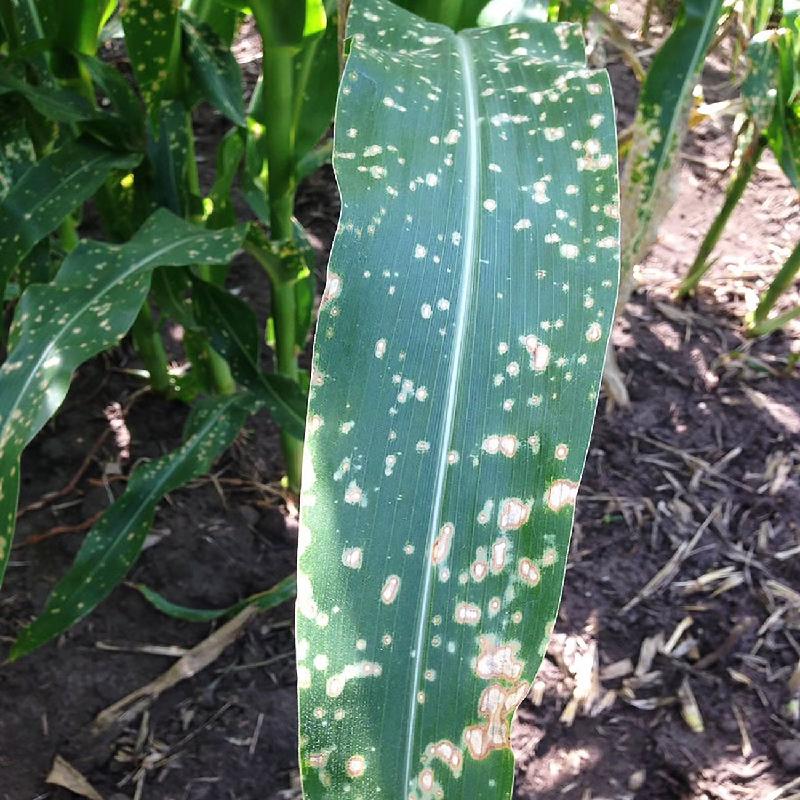
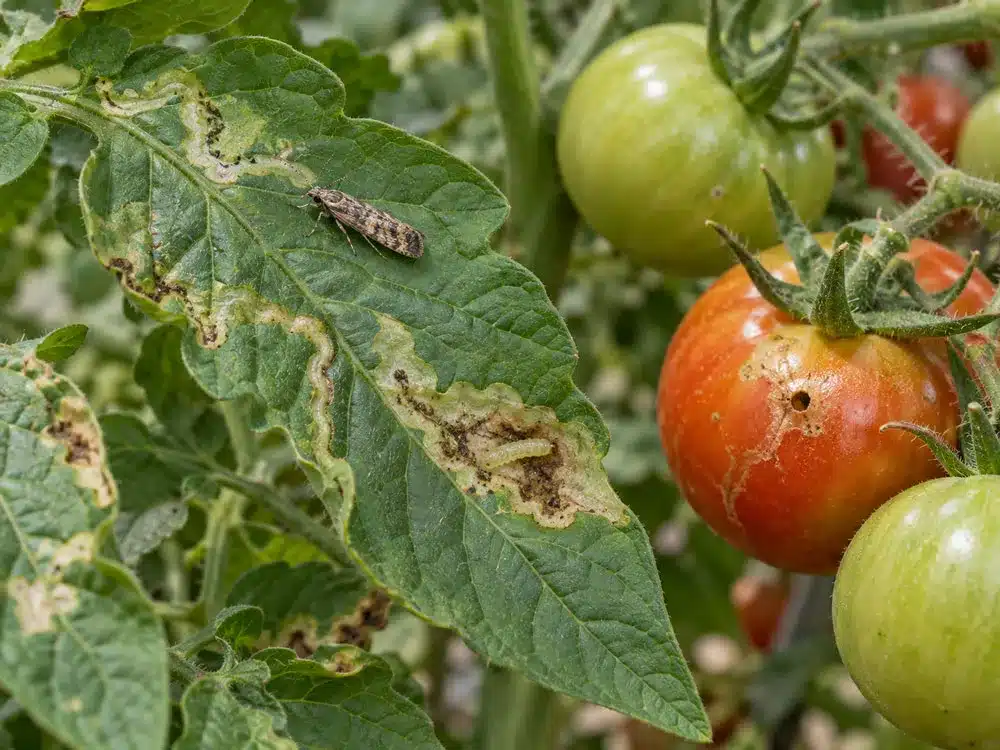
A fungicide is a pesticide used to prevent, suppress or control fungal diseases in crops, seeds, soil and plant surfaces. In agriculture, fungicides are used against disease problems such as blight, mildew, rust, scab, anthracnose, root rot and seedling diseases.
The right fungicide depends on the crop, disease target, fungicide type, mode of action, formulation, resistance risk and approved local label.
Quick Answer: What Is a Fungicide?
A fungicide is a crop protection product used to manage fungal disease pressure.
It can help protect:
- Leaves
- Stems
- Flowers
- Fruit
- Seeds
- Roots
- Soil-related crop systems
Fungicides do not control insects or weeds. They are designed for disease management, especially where fungal pathogens reduce crop growth, quality or marketable yield.
Always follow the approved local label before using any fungicide product.
What Do Fungicides Control?
Fungicides are mainly used to manage diseases caused by fungal pathogens. Some products may also be labeled for disease problems caused by oomycete-like pathogens, depending on the active ingredient and local registration.
They are commonly used in field crops, vegetables, fruit crops, greenhouse production, seed treatment and some post-harvest programs.
| Disease Area | Common Examples | Fungicide Role |
|---|---|---|
| Leaf diseases | Rust, mildew, leaf spot | Protect leaf area and reduce disease spread |
| Fruit diseases | Scab, anthracnose, fruit rot | Help protect marketable quality |
| Soil and root diseases | Root rot, damping-off | Support early crop establishment |
| Seed diseases | Seed rot, seedling blight | Protect seed and young seedlings |
| Post-harvest diseases | Storage rot where approved | Reduce disease loss during storage or transport |
The key point is simple: fungicides work best when the disease target, crop stage and product label match.
Main Types of Fungicides
Fungicides can be grouped in several practical ways. For buyers and distributors, the most useful classification is based on how the product works in the crop program.
| Fungicide Type | What It Means | Common Use Logic |
|---|---|---|
| Contact fungicide | Mainly stays on the plant surface | Preventive surface protection |
| Systemic fungicide | Moves inside plant tissue | Internal protection or suppression where label allows |
| Protectant fungicide | Works before infection becomes serious | Prevention-first disease management |
| Curative fungicide | Helps stop early infection stages | Limited timing window |
| Biofungicide | Uses beneficial microbes or natural mechanisms | IPM and biological rotation support |
| Seed treatment fungicide | Used on seed under label-approved conditions | Early seed and seedling protection |
No single type fits every disease problem. Selection should follow the crop, pathogen, disease pressure, resistance risk and local label.
How Do Fungicides Work?
Fungicides work by interrupting key processes in fungal development.
Different active ingredients may affect:
- Spore germination
- Mycelial growth
- Cell membrane formation
- Respiration
- Cell division
- Pathogen development on plant tissue
This is why mode of action matters. If the same mode of action is used repeatedly, disease populations may develop resistance pressure over time.
For long-term crop protection, fungicides should be used with resistance management, crop monitoring and label-approved rotation planning.
Contact vs Systemic Fungicide
Contact and systemic fungicides are often compared because they work differently in the plant.
| Comparison Point | Contact Fungicide | Systemic Fungicide |
|---|---|---|
| Movement | Mainly stays on plant surface | Moves into plant tissue |
| Best Role | Preventive protection | Internal protection or suppression |
| Coverage Need | Good surface coverage matters | Uptake and crop condition matter |
| Timing Logic | Best before strong disease development | Often useful in early disease stages where label allows |
| Resistance Risk | Many multi-site products have lower resistance pressure | Some single-site products need stricter rotation |
| Product Positioning | Common in protective programs | Common in targeted disease programs |
Contact fungicides are often used to protect the plant surface before infection pressure becomes serious.
Systemic fungicides can move within plant tissue, but they still have limits. They cannot repair dead tissue or guarantee control if disease is already severe.
When Are Fungicides Used in Crop Programs?
Fungicides are used when disease risk can affect crop health, quality or yield potential. The timing depends on the crop, disease cycle, weather and approved label.
| Crop Stage or Situation | Why Fungicide May Be Used |
|---|---|
| Seed and seedling stage | To reduce seed rot, damping-off and early disease pressure |
| Vegetative growth | To protect leaf area and crop vigor |
| Flowering and fruiting | To protect flower, fruit and marketable quality |
| High humidity periods | Wet conditions often increase disease pressure |
| Storage or post-harvest stage | Some approved fungicides reduce storage disease loss |
Fungicides should not be used only because disease might appear. They should fit the actual risk, disease history, crop stage and local label conditions.
Fungicide vs Insecticide vs Herbicide
Fungicide, insecticide and herbicide are all pesticides, but they control different problems.
| Product Type | Main Target | Common Agricultural Use |
|---|---|---|
| Fungicide | Fungal disease problems | Blight, mildew, rust, scab, root rot |
| Insecticide | Insect pests | Aphids, caterpillars, beetles, whiteflies |
| Herbicide | Weeds | Grass weeds, broadleaf weeds, sedges |
This distinction matters for buyers. A fungicide cannot replace an insecticide or herbicide because the target problem is different.
What Fungicides Cannot Do
Fungicides are useful tools, but they have clear limits.
They cannot:
- Control insects
- Control weeds
- Cure all plant diseases
- Repair dead or damaged plant tissue
- Work outside approved crops and diseases
- Replace sanitation, drainage, ventilation and field monitoring
- Guarantee yield improvement in every crop system
- Solve disease problems caused mainly by poor crop management
- Be used without resistance management planning
A good fungicide program is not only about choosing an active ingredient. It also depends on disease identification, crop timing, weather risk, application quality, resistance strategy and local label approval.
How to Choose the Right Fungicide
For importers, distributors and agricultural retailers, fungicide selection should start with the crop and disease target.
| Buyer Question | What to Check |
|---|---|
| What disease needs control? | Confirm the pathogen and label-approved target disease |
| What crop is involved? | Crop scope must match local registration |
| Is prevention or early suppression needed? | Choose contact, systemic, protectant or curative positioning carefully |
| What is the mode of action? | Check FRAC group and resistance risk |
| What formulation is needed? | SC, WP, WDG, EC, FS and other formats affect product positioning |
| Is it for seed, foliar or soil-related use? | Product type must match the crop program |
| What documents are needed? | COA, MSDS, TDS and label support help procurement review |
| What are the local restrictions? | PHI, REI, MRL and PPE requirements must be checked |
The best fungicide choice is not always the strongest product. It is the product that matches the disease, crop, formulation need, resistance plan and local registration.
Fungicide Formulations Buyers Commonly Check
Fungicides are available in different formulation types. Each formulation has its own market fit.
| Formulation | Common Positioning |
|---|---|
| SC | Suspension concentrate, often used for foliar applications |
| WP | Wettable powder, common in many traditional fungicide markets |
| WDG/WG | Water-dispersible granule, easier handling than powder in many markets |
| EC | Emulsifiable concentrate, used for selected active ingredients |
| FS | Flowable concentrate for seed treatment |
| SL | Soluble liquid, depending on active ingredient and product design |
Formulation choice should match the active ingredient, crop program, market habit, storage condition and local label.
Fungicide Safety and Resistance Limits
Fungicides must be used under approved local label conditions.
Important points include:
- Follow the approved local label
- Use only where locally registered
- Check crop and disease scope
- Follow PPE requirements
- Respect PHI and REI
- Check MRL requirements for export crops
- Avoid repeated use of the same mode of action
- Follow resistance management guidance
- Consider beneficial organisms where relevant
- Store products according to label requirements
Resistance management is especially important. When one mode of action is used too often, pathogen populations may become less sensitive. Rotation and label-approved disease management programs help reduce this risk.
Common Mistakes About Fungicides
| Mistake | Better Understanding |
|---|---|
| Thinking fungicides cure every disease | Many fungicides work best preventively or at early infection stages |
| Using one product repeatedly | Repeated mode of action use can increase resistance pressure |
| Ignoring disease identification | Wrong disease diagnosis leads to poor product selection |
| Treating all fungicides the same | Contact, systemic, protectant and biofungicides work differently |
| Ignoring label restrictions | Crop, disease, PHI, REI and MRL rules matter |
| Expecting repair of damaged tissue | Fungicides manage disease pressure but cannot rebuild dead tissue |
FAQ
Is a fungicide a pesticide?
Yes. A fungicide is one type of pesticide used to prevent, suppress or control fungal disease problems.
What is fungicide used for?
Fungicide is used to manage fungal diseases in crops, seeds, soil and plant surfaces. It helps protect crop health and marketable quality.
Is fungicide the same as insecticide?
No. Fungicide targets fungal diseases. Insecticide targets insect pests.
Is fungicide the same as herbicide?
No. Fungicide controls disease pressure. Herbicide controls weeds.
What is the difference between contact and systemic fungicide?
Contact fungicides mainly protect the plant surface. Systemic fungicides move into plant tissue and work internally where label allows.
Can fungicides cure diseased plants?
Not always. Many fungicides work best before disease becomes serious or during early infection stages. They cannot repair dead tissue.
What is a biofungicide?
A biofungicide is a fungicide based on beneficial microorganisms or natural biological mechanisms. It is often used in IPM and biological rotation programs.
Why does fungicide resistance happen?
Resistance can develop when the same mode of action is used repeatedly. Rotation and label-based resistance management are important.
Practical Summary
A fungicide is a crop protection product used to manage fungal disease pressure. The right choice depends on disease target, crop, fungicide type, mode of action, formulation, resistance risk and approved local label conditions.