
Strawberry Crop Facts
| Item | Specific Information |
|---|---|
| Crop Name | Strawberry |
| Scientific Name | Fragaria × ananassa |
| Plant Family | Rosaceae (Rose Family) |
| Commercial Propagation Methods | Plug Plants, Bare-root Plants, Runner Plants |
| Main Production Systems | Annual Plasticulture, Matted Row, Day-neutral Protected Cultivation |
| Major Pests | Two-Spotted Spider Mites, Aphids, Thrips, Lygus Bugs, Spotted-Wing Drosophila |
| Major Diseases | Gray Mold, Anthracnose, Powdery Mildew, Phytophthora Crown and Root Rot, Red Stele, Leaf Spot |
| Major Weeds | Annual Grasses, Broadleaf Weeds, Sedges, Perennial Weeds |
| Key Protection Areas | Roots, Crowns, Leaves, Flowers, Developing Fruits |
| Major Product Types | Insecticides, Acaricides, Fungicides, Biofungicides, Plant Growth Regulators |
| Commercial Uses | Fresh Market, Frozen Strawberries, Food Processing, Export Distribution |
Commercial Strawberry Production Systems and Management Characteristics
Different strawberry production systems determine plant growth patterns, harvest periods, pest and disease pressure, and crop protection requirements. Before developing a control plan, it is important to identify the actual production system.
Annual Plasticulture
This system is widely used in commercial strawberry production.
Before planting, the soil is prepared into raised beds, plastic mulch is installed, and a drip irrigation system is established. Plug plants or bare-root plants are then transplanted into the prepared beds.
Key characteristics:
-
Planting and harvesting cycles are relatively concentrated.
-
Plastic mulch helps reduce weed competition on raised beds.
-
Drip irrigation provides more controlled moisture management in the root zone.
-
Plastic mulch reduces direct contact between fruit and soil.
-
Plants are typically removed after harvest to prepare for the next planting cycle.
This system requires focused management of root establishment after planting, vegetative growth, gray mold during flowering, anthracnose on fruit, and pesticide residues during continuous harvesting.
Matted Row System
The Matted Row System primarily uses runners produced by strawberry mother plants to establish daughter plants and gradually form continuous planting rows.
Key characteristics:
-
Mother plants reproduce through runners.
-
Daughter plants take root within the planting rows.
-
Perennial production management is commonly employed.
-
Plant renewal, also known as renovation, is required after harvest.
-
Planting row width and plant density must be controlled.
This system requires particular attention to runner management, weed competition, removal of old leaves, foliar diseases, and root zone health.
Day-Neutral Varieties and Protected Cultivation
Day-neutral strawberries are less sensitive to day length and can continue flowering and producing fruit under suitable temperature conditions.
Common production environments include:
-
Greenhouses
-
High tunnels
-
Low tunnels
-
Soilless cultivation systems
-
Tabletop growing systems
This cultivation model typically has an extended harvesting period and requires continuous management of thrips, spider mites, gray mold, powdery mildew, and fruit rot.
Because harvesting may continue over an extended period, a fixed pesticide application schedule is not appropriate. Management should instead be adjusted according to pest monitoring, disease risk, crop development, and individual harvest dates.
Strawberry Crop Lifecycle Protection Program
Strawberry pest and disease management must cover the entire commercial production process, from seedling procurement to final market distribution.
Complete Strawberry Production Cycle and Key Control Areas
| Growth and Production Stage | Major Risks | Key Management Measures | Product Focus |
|---|---|---|---|
| Seedling Procurement and Nursery Management | Anthracnose, crown rot, mites, aphids | Inspect seedling health, roots, and crowns | Biological fungicides, appropriate insecticides |
| Pre-Planting Preparation | Soil-borne diseases, nematodes, weeds | Soil testing, crop rotation, removal of plant debris, improved drainage | Soil and root zone management |
| Transplanting and Establishment | Root rot, crown rot, transplant stress | Healthy transplanting, proper irrigation, root inspection | Root zone protection products |
| Vegetative Growth | Spider mites, aphids, leaf spot, powdery mildew | Foliar monitoring, weed control, canopy management | Acaricides, insecticides, fungicides |
| Pre-Flowering | Thrips, mites, aphids, powdery mildew | Flower bud inspection, pest monitoring, disease prevention | Insecticides, fungicides |
| Flowering and Pollination | Botrytis gray mold, thrips, Lygus bugs | Flower monitoring, improved ventilation, protection of pollinating insects | Preventive fungicides |
| Fruit Set and Early Fruit Development | Anthracnose, Botrytis, thrips | Young fruit protection, removal of diseased fruit, pest monitoring | Fungicides, insecticides |
| Fruit Enlargement and Ripening | Fruit rot, spider mites, spotted-wing drosophila | Fruit inspection, field sanitation, appropriate pesticide selection | Label-approved fungicides and insecticides |
| Continuous Harvesting | Fruit decay, pesticide residues, insect contamination | Batch harvesting, PHI management, removal of rotten fruit | Products permitted by pre-harvest requirements |
| Post-Harvest Sorting and Packaging | Mechanical damage, soft rot | Grading, removal of diseased fruit, clean packaging | Post-harvest sanitation management |
| Pre-Cooling and Transportation | Botrytis, Rhizopus, water loss | Rapid pre-cooling, cold chain management, temperature monitoring | Post-harvest quality management |
| Post-Harvest Renewal | Crop residues, weeds, soil-borne diseases | Removal of crop residues, plant renewal, crop rotation | Root zone and next-season management |
Core Principles of the Strawberry Pesticide Application Cycle
The entire growing season should not be managed according to fixed spraying intervals, such as applying pesticides every few days.
Instead, control windows should be determined by crop growth stages, pest and disease occurrence, weather conditions, field monitoring results, and actual harvesting schedules.
Seedling Procurement and Nursery Management
The first step in commercial strawberry production is generally selecting healthy planting material rather than directly sowing ordinary strawberry seeds.
Common planting materials include:
-
Plug plants
-
Bare-root plants
-
Runner plants
-
Certified nursery plants
Seedling quality directly affects transplant survival, root development, crown health, and subsequent yield.
When purchasing seedlings, inspect the following items:
| Inspection Item | Key Requirements |
|---|---|
| Root System | Well-developed roots without visible rot |
| Crown | Healthy crown without visible browning or necrosis |
| Leaves | Intact leaves without severe disease lesions |
| Plant Vigor | Relatively uniform plant size and growth |
| Pest Inspection | Check for mites, aphids, and other pests |
| Disease Inspection | Pay particular attention to anthracnose and root and crown diseases |
Major risks include:
-
Anthracnose
-
Phytophthora crown rot
-
Red stele
-
Cyclamen mites
-
Aphids
Management Recommendations
Prioritize seedlings from reliable nurseries with good plant health and traceable production records.
Do not introduce visibly infected seedlings directly into commercial production fields. In particular, inspect crowns and roots carefully because some infections may remain unnoticed until plants begin to decline.
Pre-Planting Management
Pre-planting soil management determines the subsequent root growth environment and influences the risk of soil-borne diseases.
Key soil checks include:
-
Soil pH
-
Soil drainage
-
Soil salinity
-
Soil structure
-
Previous crop history
-
Soil-borne pathogens
Important issues and management priorities:
| Issue | Major Risks | Management Strategies |
|---|---|---|
| Phytophthora | Root rot and crown rot | Improve drainage, use healthy seedlings, maintain soil sanitation |
| Red Stele | Root infection | Select suitable planting sites and healthy seedlings |
| Root-Knot Nematodes | Root knots and root damage | Soil testing, crop rotation |
| Verticillium Wilt | Vascular disease | Review previous crop history and select resistant varieties where available |
| Weeds | Competition for nutrients and water | Pre-plant weed control and field cleanup |
It is recommended to reduce initial pathogen pressure through appropriate crop rotation, removal of diseased plant debris, improved drainage, and suitable soil management practices.
For fields with a history of severe soil-borne diseases, priority should be given to addressing soil and seedling problems rather than relying solely on foliar pesticide applications later in the season.
Transplanting and Establishment
After transplanting, strawberries need to establish a healthy root system and canopy as quickly as possible.
The focus during this stage should not be on heavy pesticide application. Instead, management should prioritize plant establishment, transplant survival, and avoiding root problems caused by improper water management.
Major risks:
-
Transplant stress
-
Root rot
-
Crown rot
-
Aphids
-
Spider mites
-
Early weed competition
Management measures:
-
Ensure proper planting depth to avoid burying the crown too deeply or exposing the roots.
-
Maintain adequate moisture in the root zone and avoid prolonged waterlogging.
-
Check plant establishment and promptly replace severely missing plants.
-
Regularly inspect leaves and crowns.
-
Control weeds during the early planting stage.
-
Evaluate biological root zone protection measures according to actual disease risk.
For biological protection of the root zone, beneficial microbial products such as Trichoderma harzianum may be considered as part of an integrated management program.
When evaluating these products, pay attention to viable microorganism counts, storage conditions, soil environment, and compatibility with other crop protection products.
Vegetative Growth Phase
During this stage, strawberries primarily develop leaves, roots, crowns, and runners, laying the foundation for subsequent flowering and fruit production.
Major risks:
-
Two-spotted spider mites
-
Strawberry aphids
-
Thrips
-
Powdery mildew
-
Leaf spot
-
Annual grasses
-
Broadleaf weeds
Management priorities:
-
Regularly inspect both sides of the leaves.
-
Pay special attention to middle and young leaves.
-
Check for mites, aphids, and foliar diseases.
-
Manage runners according to the production system.
-
Maintain appropriate plant density.
-
Avoid excessive nitrogen fertilization, which can cause excessive vegetative growth.
-
Promptly remove weeds from the field.
Strawberry leaves are an important indicator of plant health. Inspections should not be limited to the upper canopy. Pay attention to leaf undersides, growing points, and abnormal growth around the crown.
Pre-Bloom Management
The pre-bloom period is an important window for establishing a flowering-season protection plan.
Key monitoring targets:
-
Thrips
-
Spider mites
-
Aphids
-
Powdery mildew
-
Anthracnose
-
Other foliar diseases
Management measures:
-
Inspect flower buds and newly developed leaves.
-
Monitor mites and sucking pests.
-
Remove severely infected leaves and diseased plant debris.
-
Control field weeds and surrounding alternative host plants.
-
Assess flowering-period disease risks using weather forecasts and historical field observations.
-
Consider pollinator protection requirements before selecting pesticide applications.
During this stage, do not increase insecticide application frequency without a clear pest management reason. In particular, unnecessary applications may create risks for pollinating insects during the subsequent flowering period.
Flowering and Pollination Period
The flowering period is a critical stage for strawberry crop protection and an important window for gray mold management.
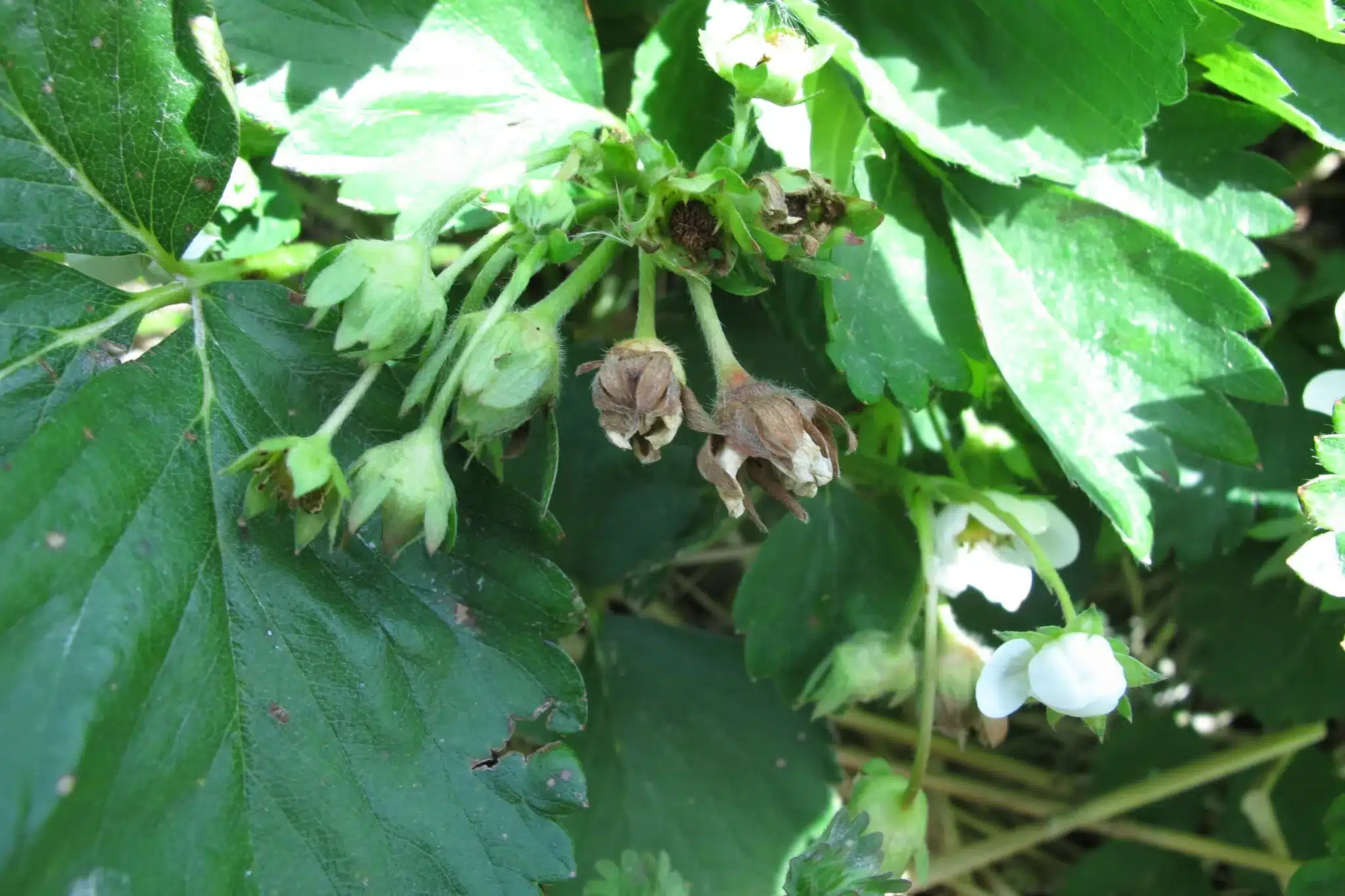
Infection of floral tissues may not produce obvious symptoms immediately. The pathogen can remain latent in infected tissues and subsequently cause fruit rot during fruit development or ripening.
Major risks:
-
Botrytis gray mold
-
Thrips
-
Lygus bugs
-
Powdery mildew
-
Poor pollination
Management measures:
-
Regularly inspect flowers and floral receptacles.
-
Remove diseased and wilted floral tissues.
-
Minimize unnecessary overhead irrigation.
-
Maintain appropriate plant density and air circulation.
-
Implement disease management during suitable weather windows.
-
Follow all label requirements for protecting bees and other pollinating insects when applying pesticides.
Special Note: Insecticide use during flowering must fully consider the risk of exposure to pollinating insects. Routine insecticide spraying schedules should not be applied mechanically during the flowering period.
Fruit Set and Development
After successful pollination, strawberries enter the fruit formation and enlargement stage.
During this period, crop protection gradually shifts from maintaining leaf and plant health to protecting fruit quality and marketability.
Major risks:
-
Anthracnose fruit rot
-
Botrytis fruit rot
-
Thrips damage
-
Spider mites
-
Spotted-wing drosophila
Management measures:
-
Regularly inspect young and mature fruits.
-
Promptly remove rotten and damaged fruits.
-
Avoid prolonged contact between fruit and damp soil.
-
Minimize direct contact between irrigation water and fruit.
-
Select appropriate fungicides based on weather conditions, disease identification, and label requirements.
-
Continue monitoring for mites, thrips, and fruit flies.
Fruit diseases do not necessarily begin infecting fruit only after visible rot appears. Botrytis gray mold may already establish infections during flowering. Therefore, flowering-stage monitoring must be followed by continued fruit inspections.
Fruit Ripening and Repeated Harvest
The ripening period is a critical stage for managing the commercial quality of strawberries.
Major risks:
-
Botrytis gray mold
-
Anthracnose
-
Rhizopus rot
-
Spotted-wing drosophila
-
Thrips damage
-
Mechanical damage
Management measures:
-
Schedule harvesting according to fruit maturity.
-
Promptly remove overripe and rotten fruit.
-
Minimize fruit impact and crushing.
-
Keep harvesting containers clean.
-
Continue monitoring for fruit pests.
-
Maintain accurate records of pesticide application dates.
-
Strictly follow PHI and MRL requirements.
Strawberries, particularly day-neutral varieties, are characterized by continuous harvesting. Therefore, pesticide applications cannot simply follow a uniform application cycle.
Before each harvest, check the Pre-Harvest Interval (PHI) specified on the applicable product label. This is essential for maintaining pesticide residue compliance during continuous harvesting.
Major Strawberry Pests and Integrated Pest Management
Strawberry pest management should be based on accurate pest identification, field monitoring, and targeted control measures.
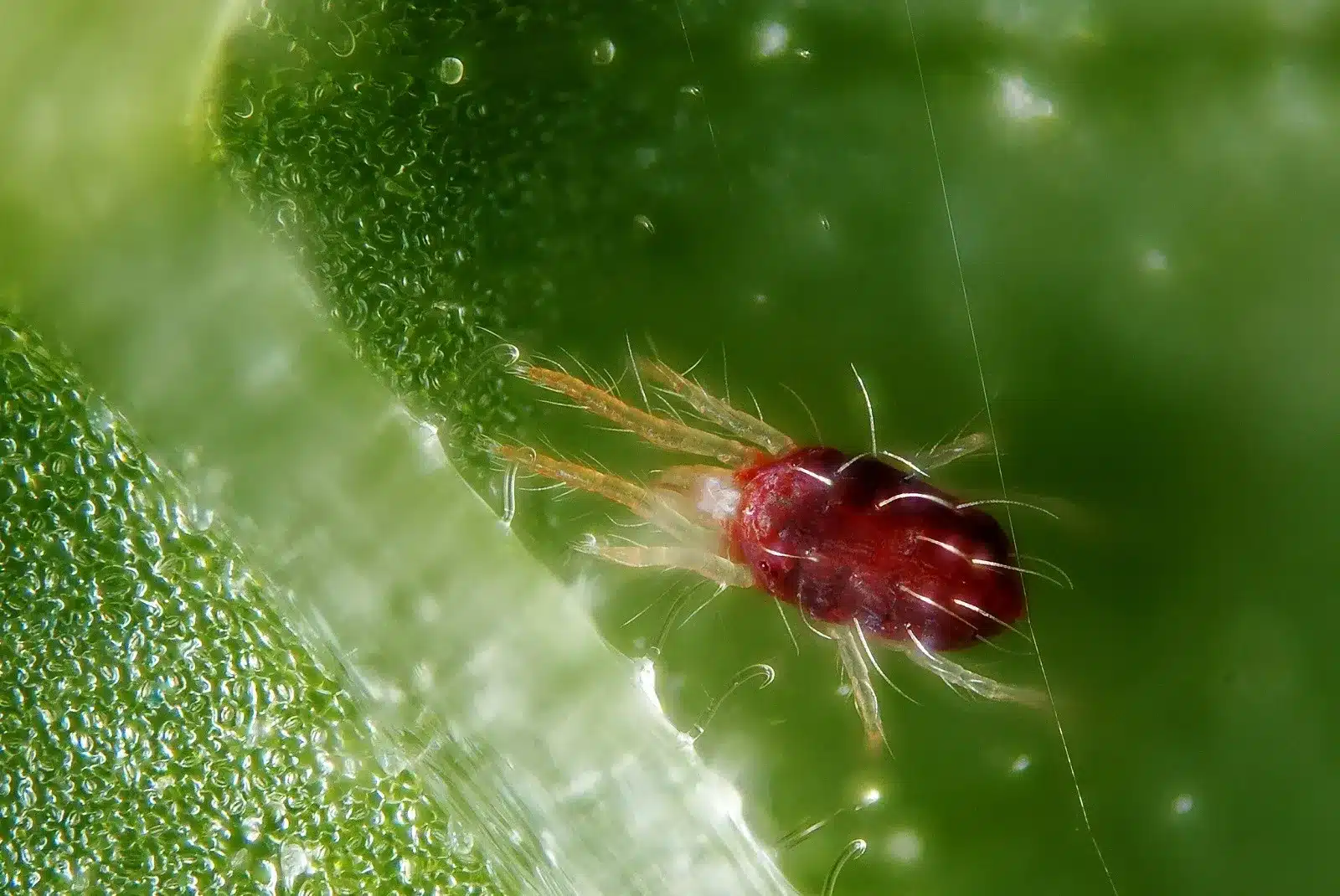
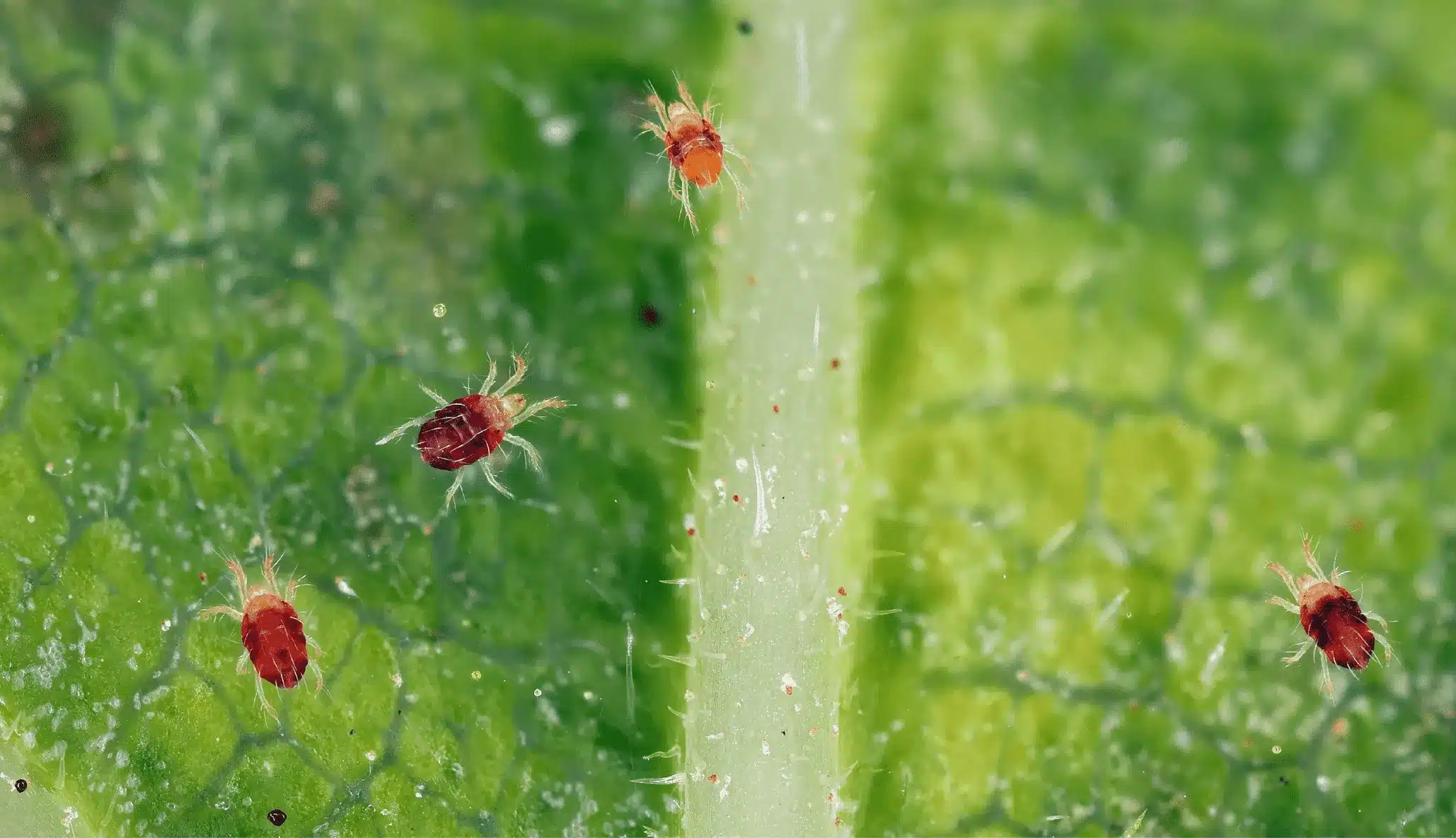
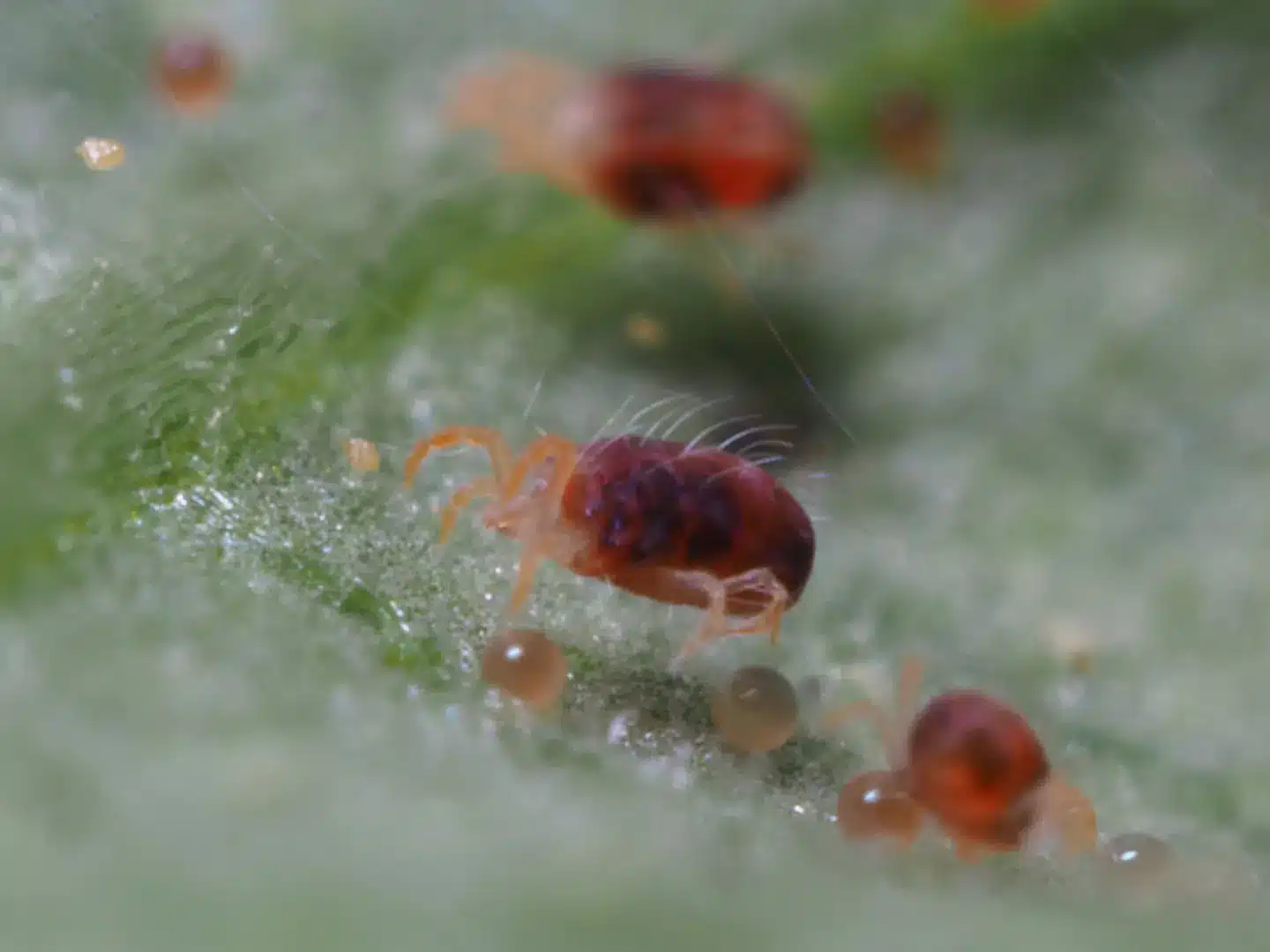
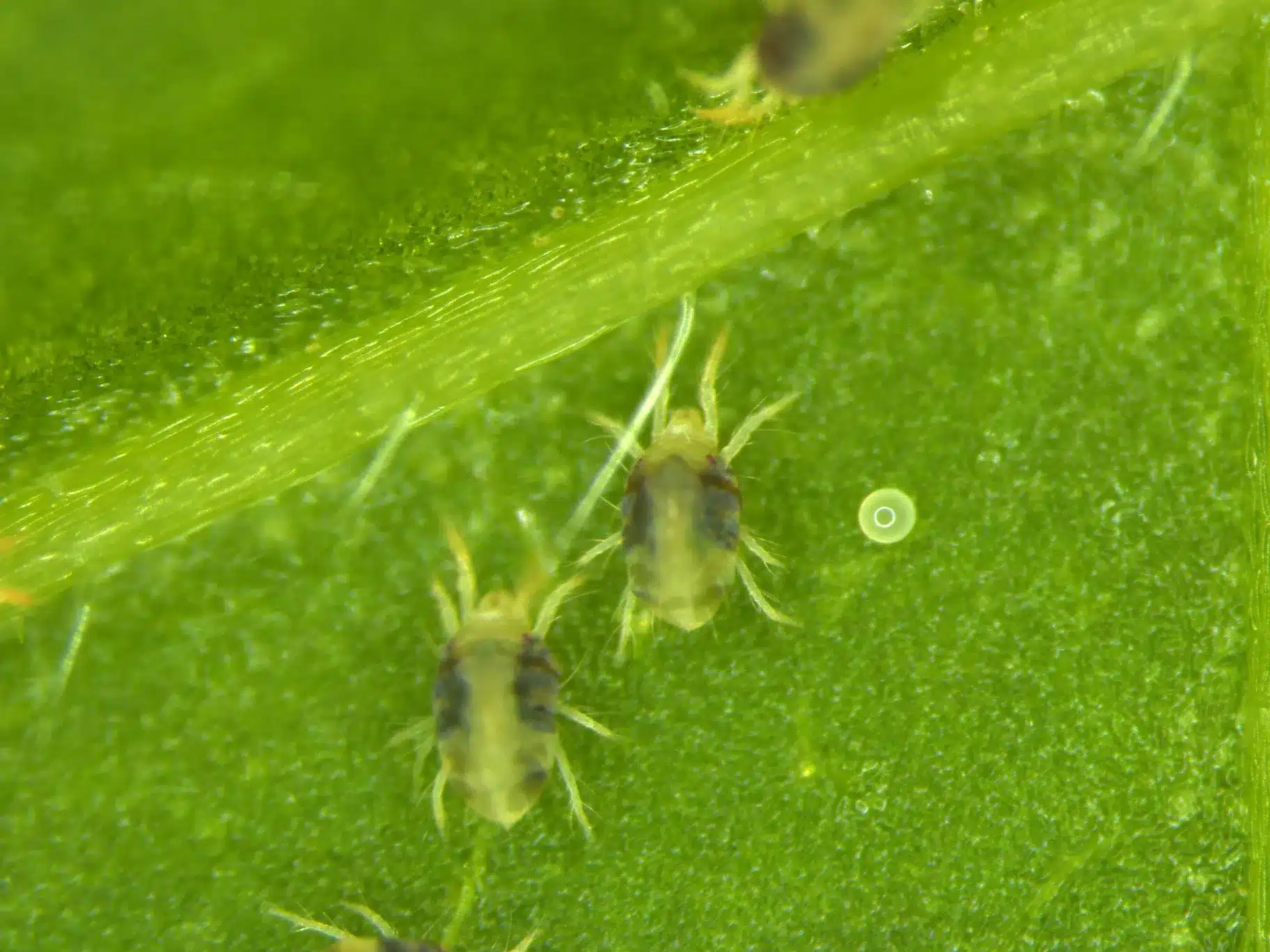
Two-Spotted Spider Mite
Scientific name: Tetranychus urticae
The two-spotted spider mite is a major foliar pest in strawberry production. It primarily feeds on the undersides of leaves, damaging leaf cells and reducing normal photosynthetic activity.
Main symptoms:
- Small yellowish-white spots appear on leaves.
- Leaves gradually lose their green color.
- In severe cases, leaves turn bronze or brown.
- Fine webbing may appear under heavy infestations.
- Plant growth becomes stunted, affecting fruit yield and quality.
Key Occurrence Stages
Monitoring should be intensified during vegetative growth, periods of high temperature and dry conditions, and whenever plants are under stress.
Control Measures
- Regularly inspect the undersides of middle-canopy leaves.
- Use a magnifying glass to identify active mites.
- Assess pest density based on leaf sampling results.
- Protect natural enemies such as predatory mites.
- Avoid unnecessary broad-spectrum insecticides that may disrupt natural pest control and contribute to mite outbreaks.
- When chemical control is necessary, select an appropriate acaricide based on the mite species and developmental stage.
Product Recommendation: Etoxazole 20% SC
Etoxazole belongs to IRAC Group 10B and acts as a mite growth inhibitor, affecting developmental processes in susceptible mites.
It primarily targets eggs and immature developmental stages. It should not be described as a product that provides rapid knockdown of adult mites.
SunAgro offers Etoxazole 20% SC miticide as a candidate for a professional acaricide portfolio.
Specific suitability for strawberries, target mite species, and application methods must be verified against the applicable product label.

Strawberry Aphids
Scientific name: Chaetosiphon fragaefolii
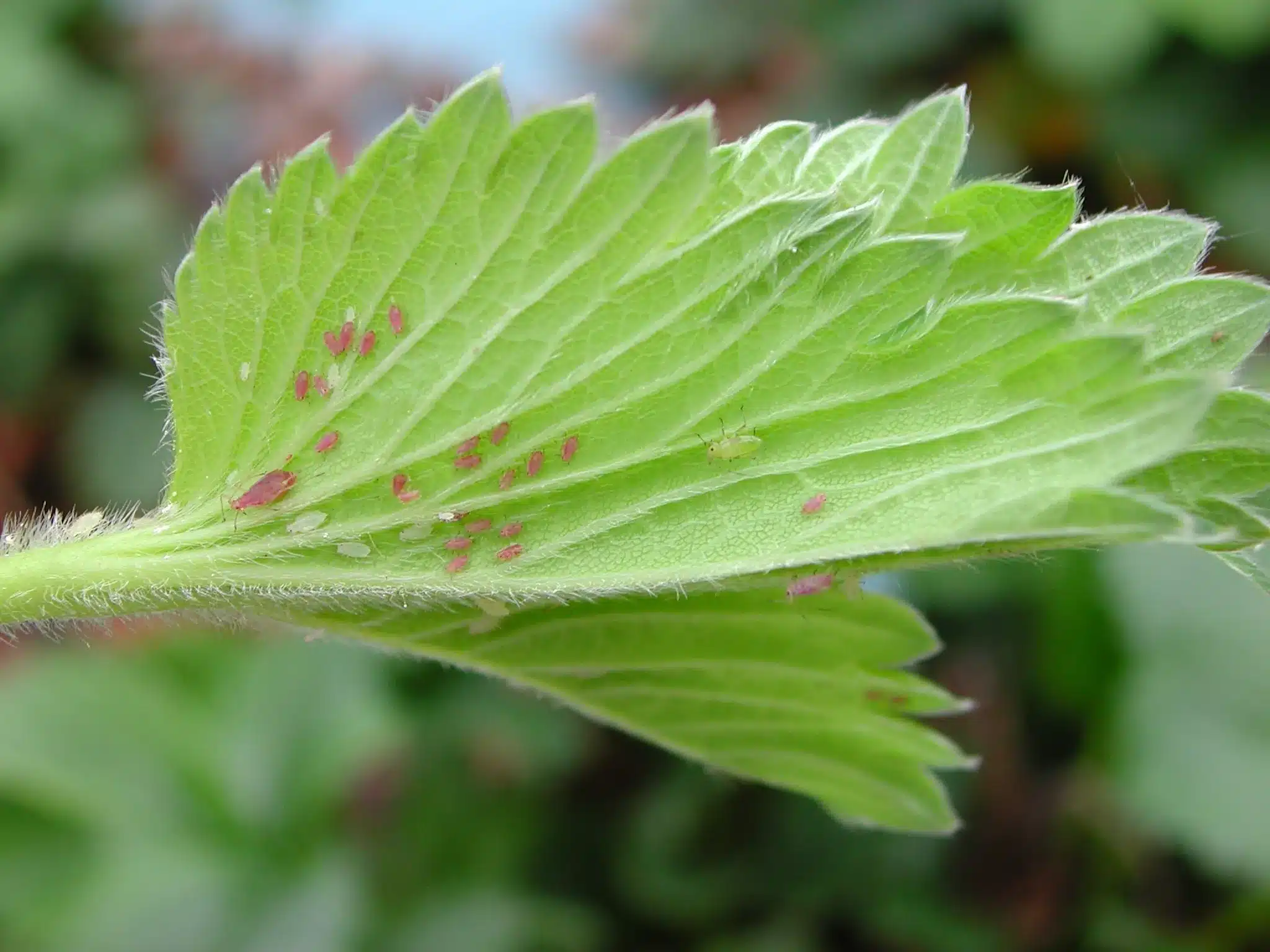
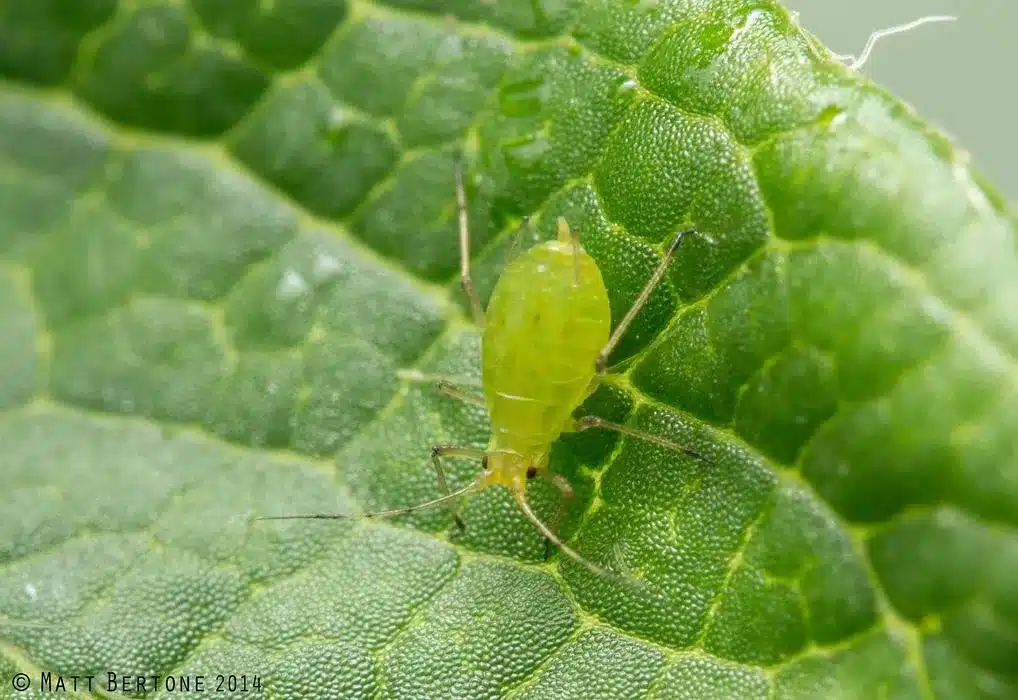
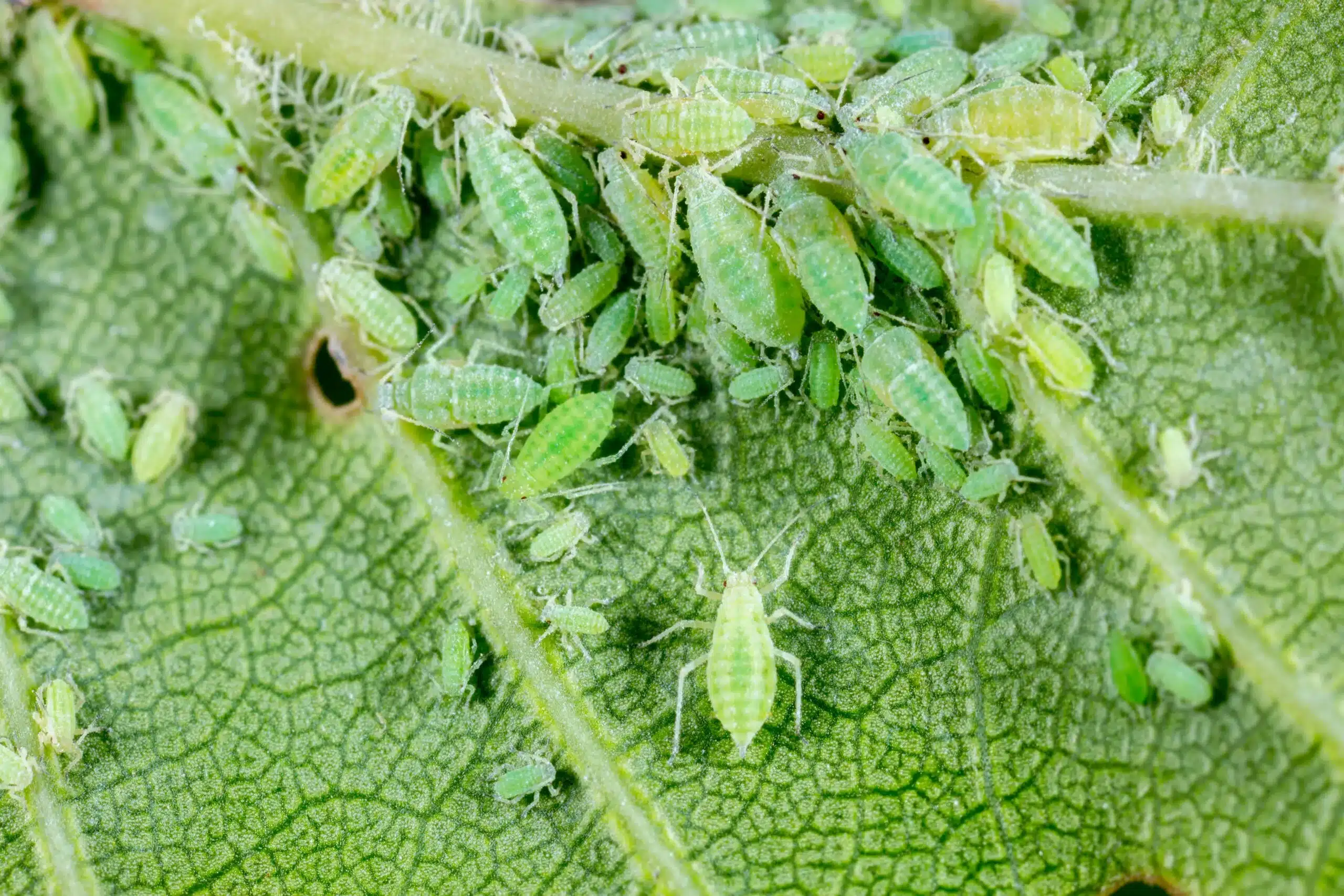
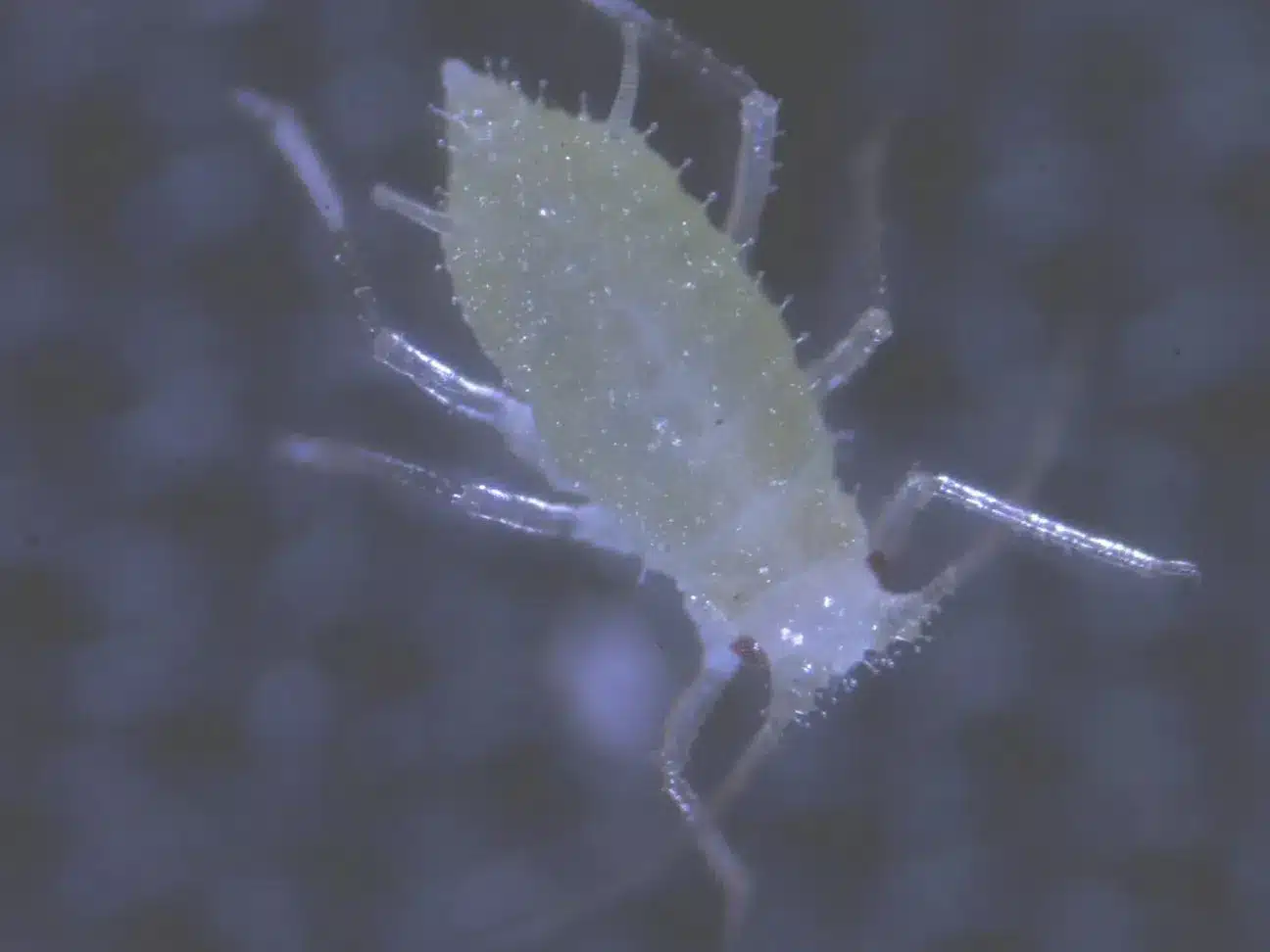
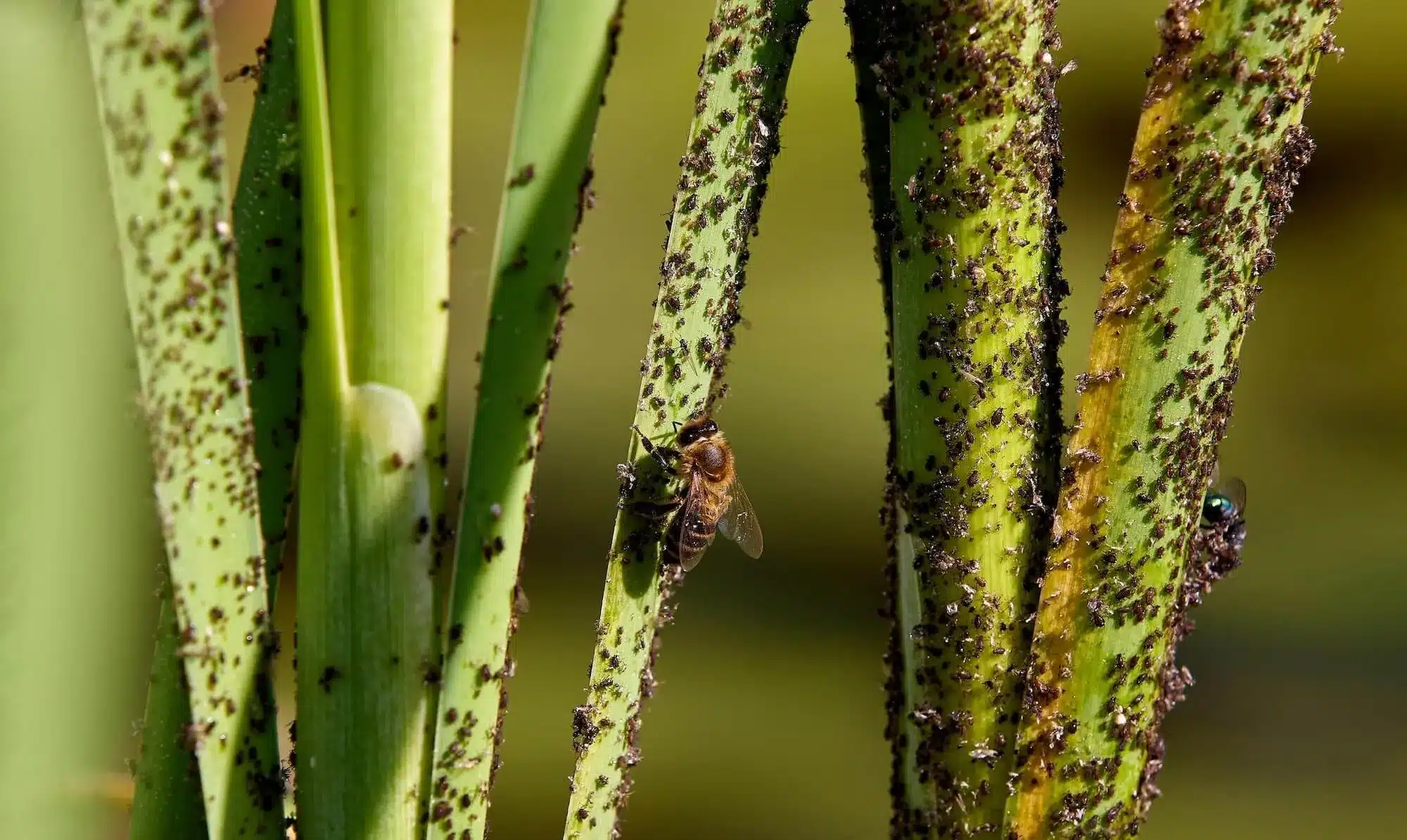
Strawberry aphids primarily congregate on young leaves, growing points, and leaf undersides. They feed on plant sap by piercing and sucking, which can interfere with normal plant growth.
Major damage:
-
Curling and deformation of young leaves.
-
Inhibited plant growth.
-
Increased honeydew secretion.
-
Leaf surfaces becoming contaminated by honeydew.
-
Transmission of certain strawberry viruses by some aphid species.
Control Methods
-
Regularly inspect new leaves and growing points.
-
Identify aphid species promptly.
-
Protect ladybugs, aphid-feeding flies, and parasitic wasps.
-
Avoid excessive nitrogen fertilization.
-
Select targeted insecticides according to pest population density and crop requirements.
Product Recommendation: Flonicamid 50% WDG
Flonicamid belongs to IRAC Group 29 and primarily disrupts the normal feeding behavior of susceptible sucking pests.
It can rapidly suppress aphid feeding, although treated aphids may not immediately fall from the plants. Therefore, control performance should not be judged solely by whether aphids remain visible after treatment.
Flonicamid 50% WDG can be considered as a candidate insecticide for an aphid management portfolio. Before actual application on strawberries, verify that the specific product label lists strawberries and the target aphid species.
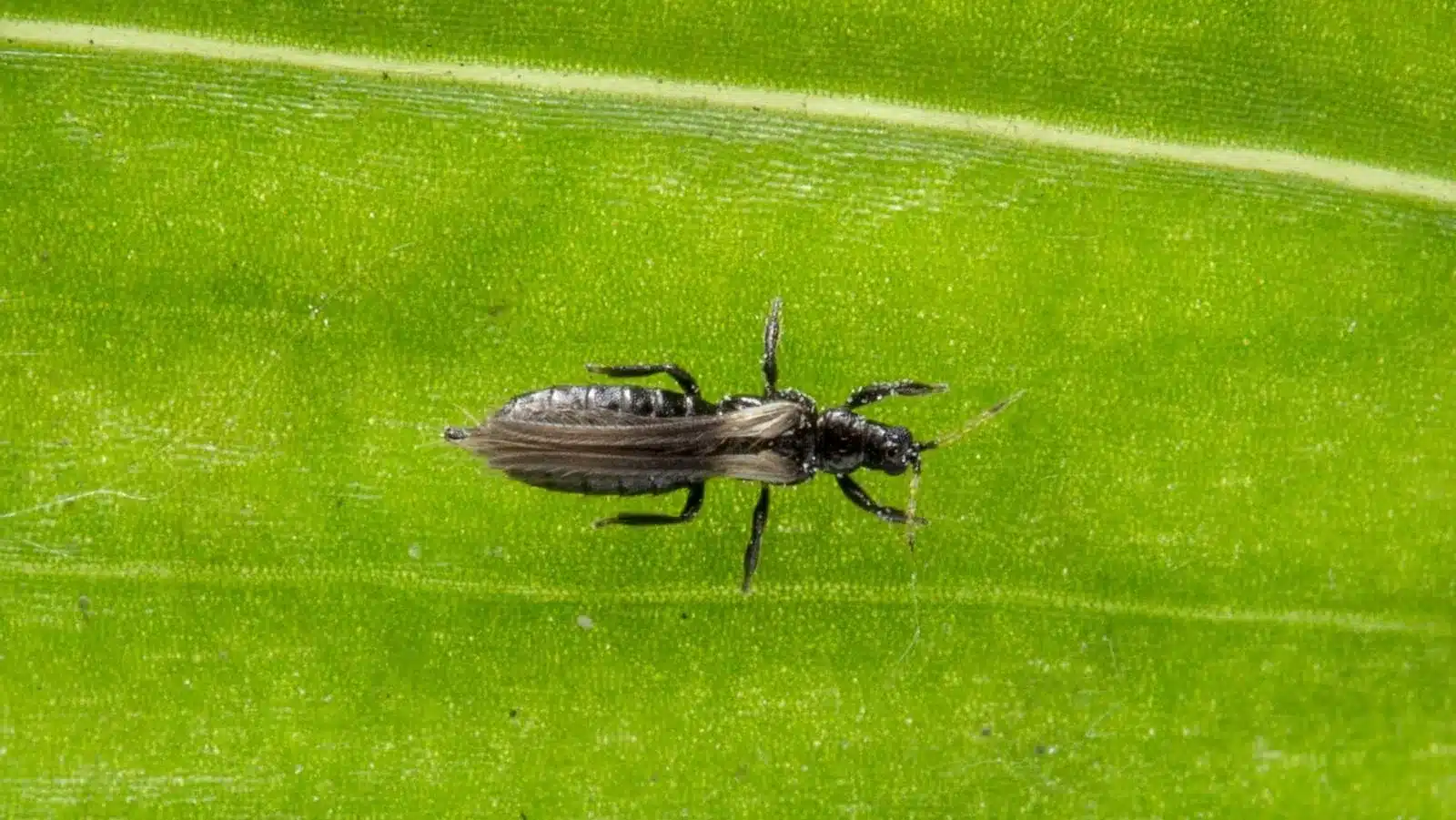
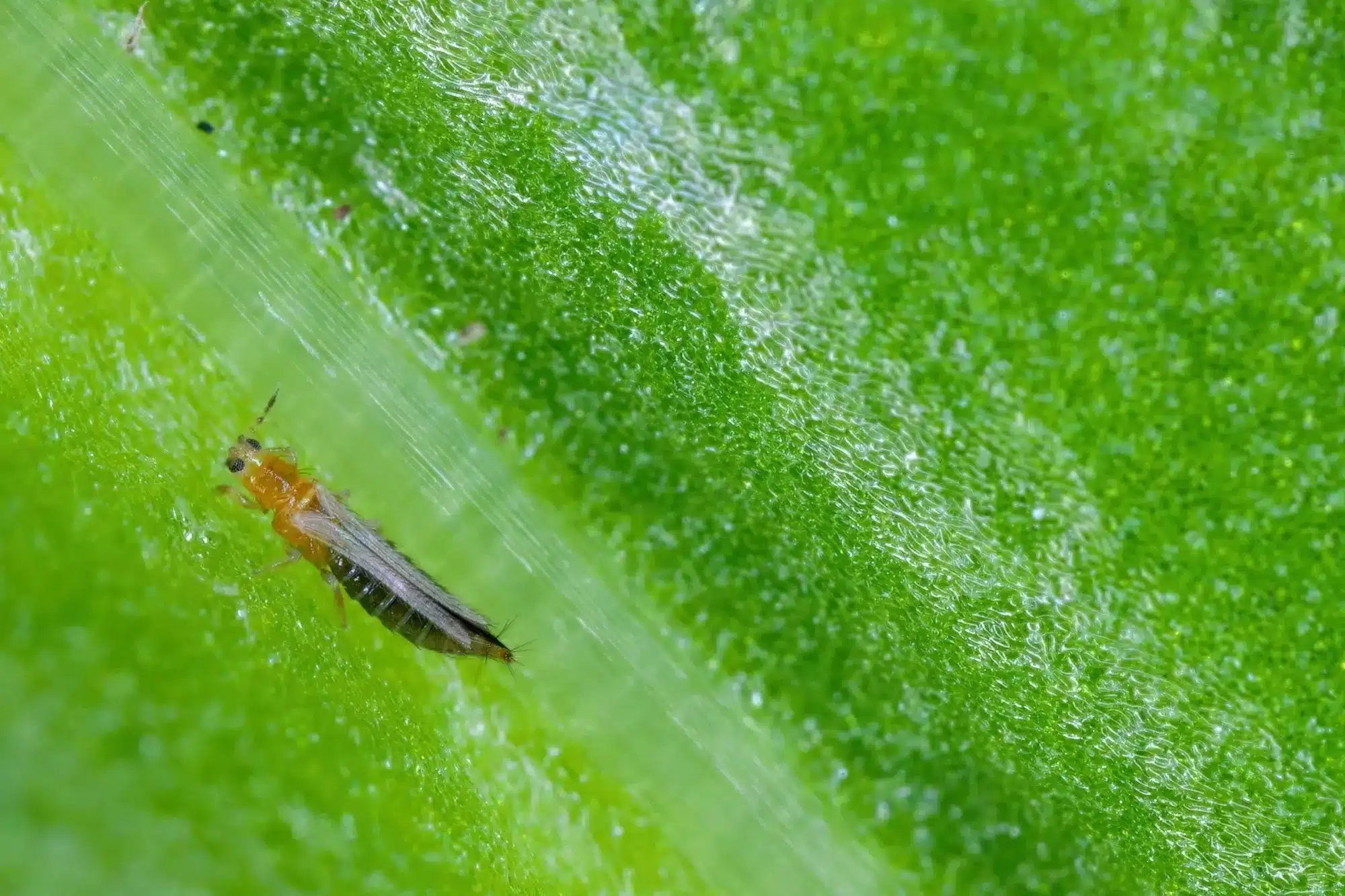
Thrips
Representative scientific name: Frankliniella occidentalis
Western flower thrips are important pests requiring close monitoring during strawberry flowering and early fruit development.
They primarily damage floral parts and young fruits, potentially causing browning, surface roughness, and reduced fruit marketability.
Main symptoms:
- Small, moving insects visible inside flowers.
- Brown damage on floral parts.
- Scratches and browning on the surface of young fruit.
- Deterioration in fruit appearance and quality.
Control Methods
- Regularly inspect the interior of flowers.
- Conduct monitoring using appropriate sampling trays.
- Focus monitoring on flowering and young fruit stages.
- Protect suitable predatory natural enemies.
- Select appropriate insecticides based on pest species and population levels.
- Give full consideration to pollinator safety when applying pesticides.
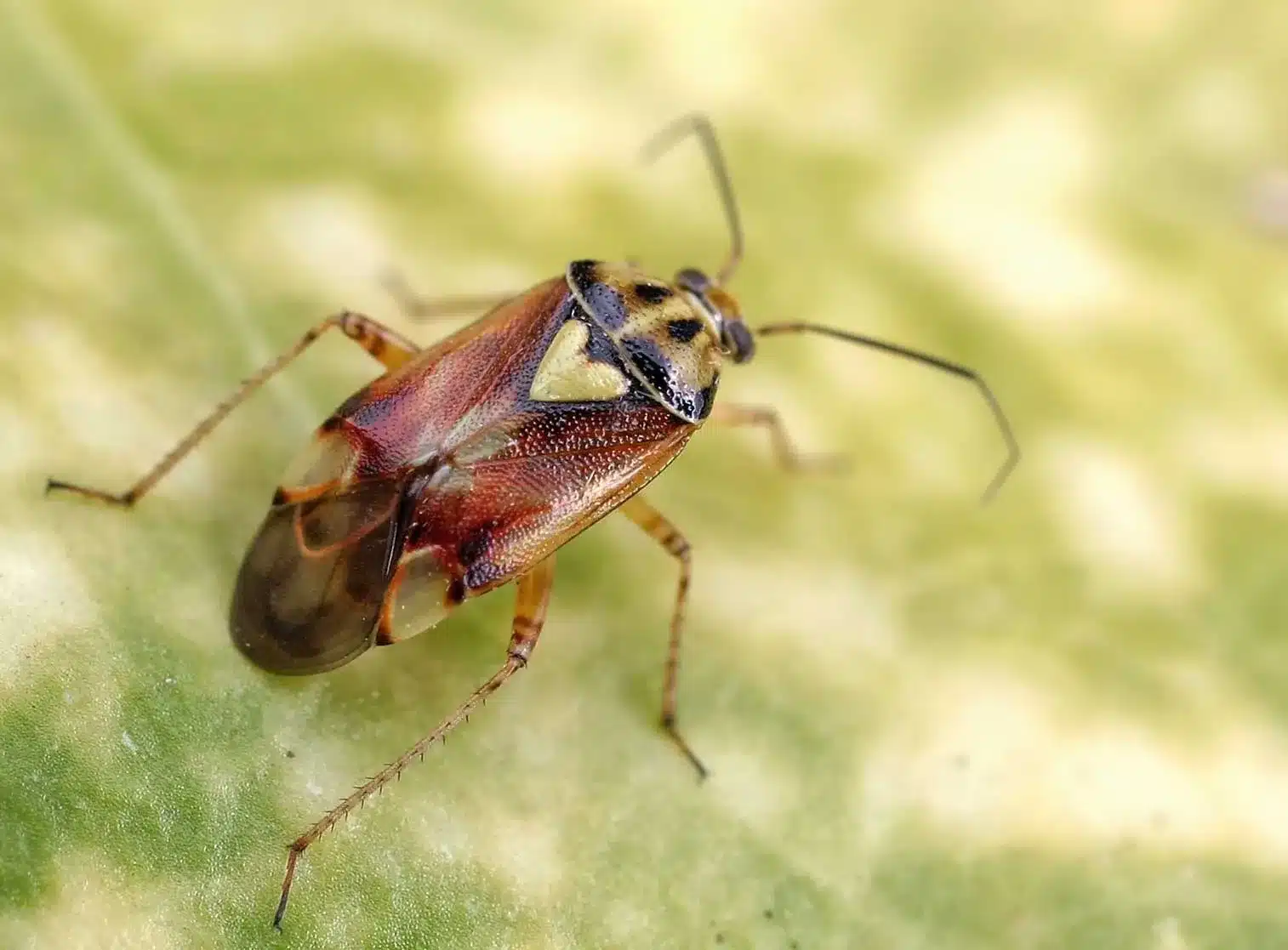
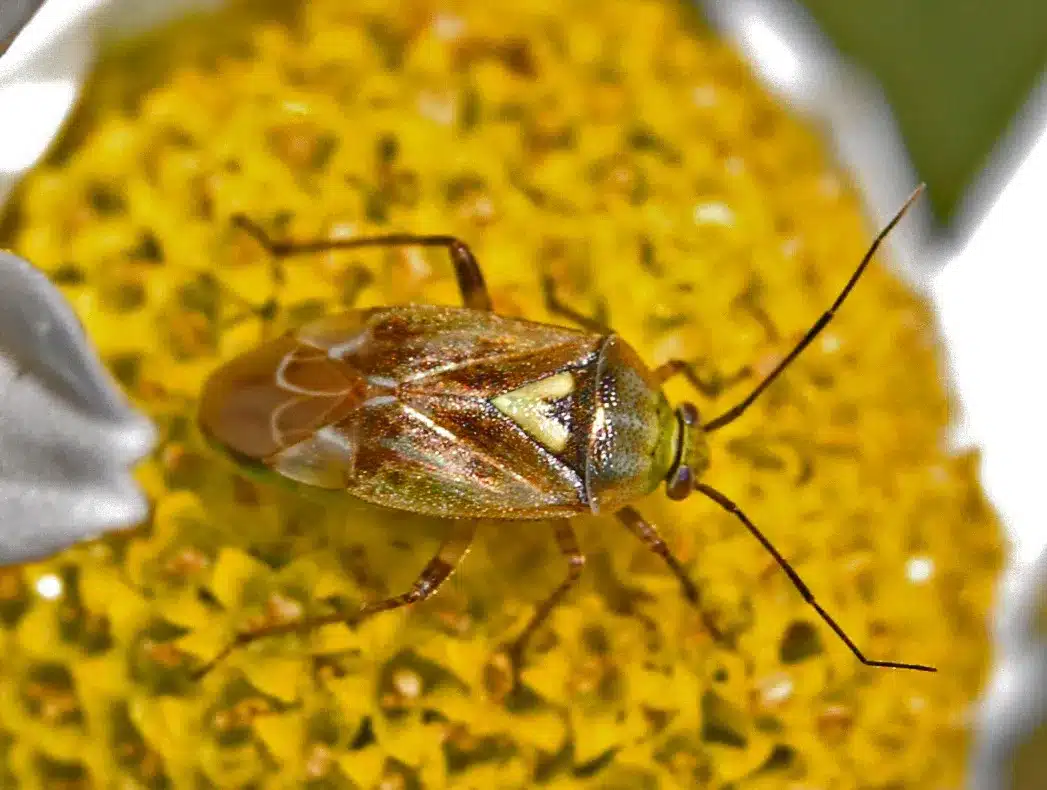
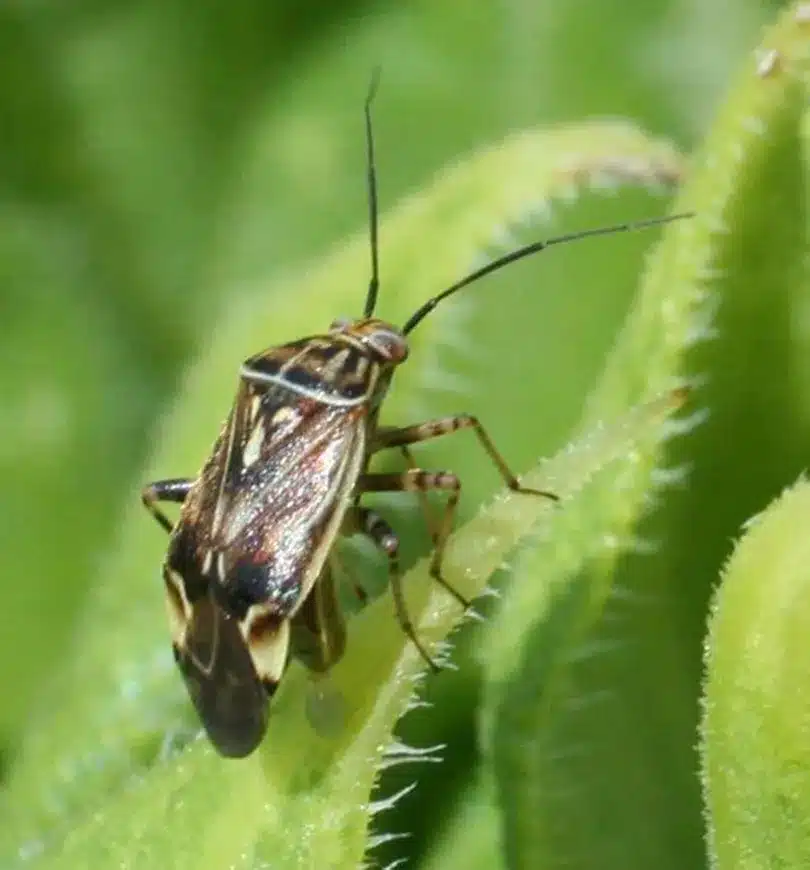
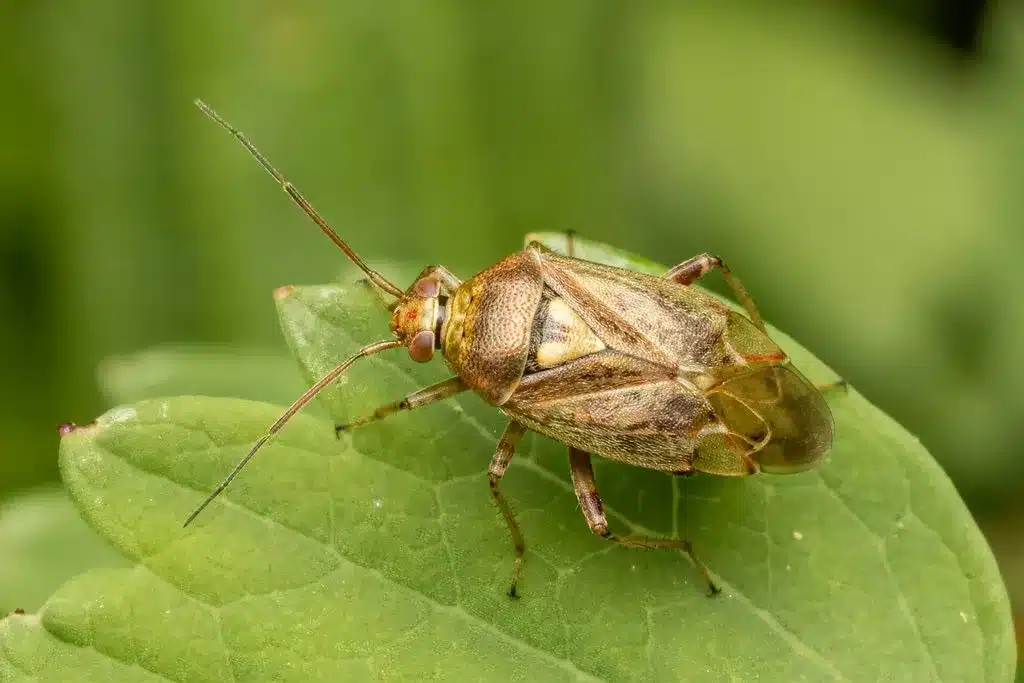
Lygus Bugs
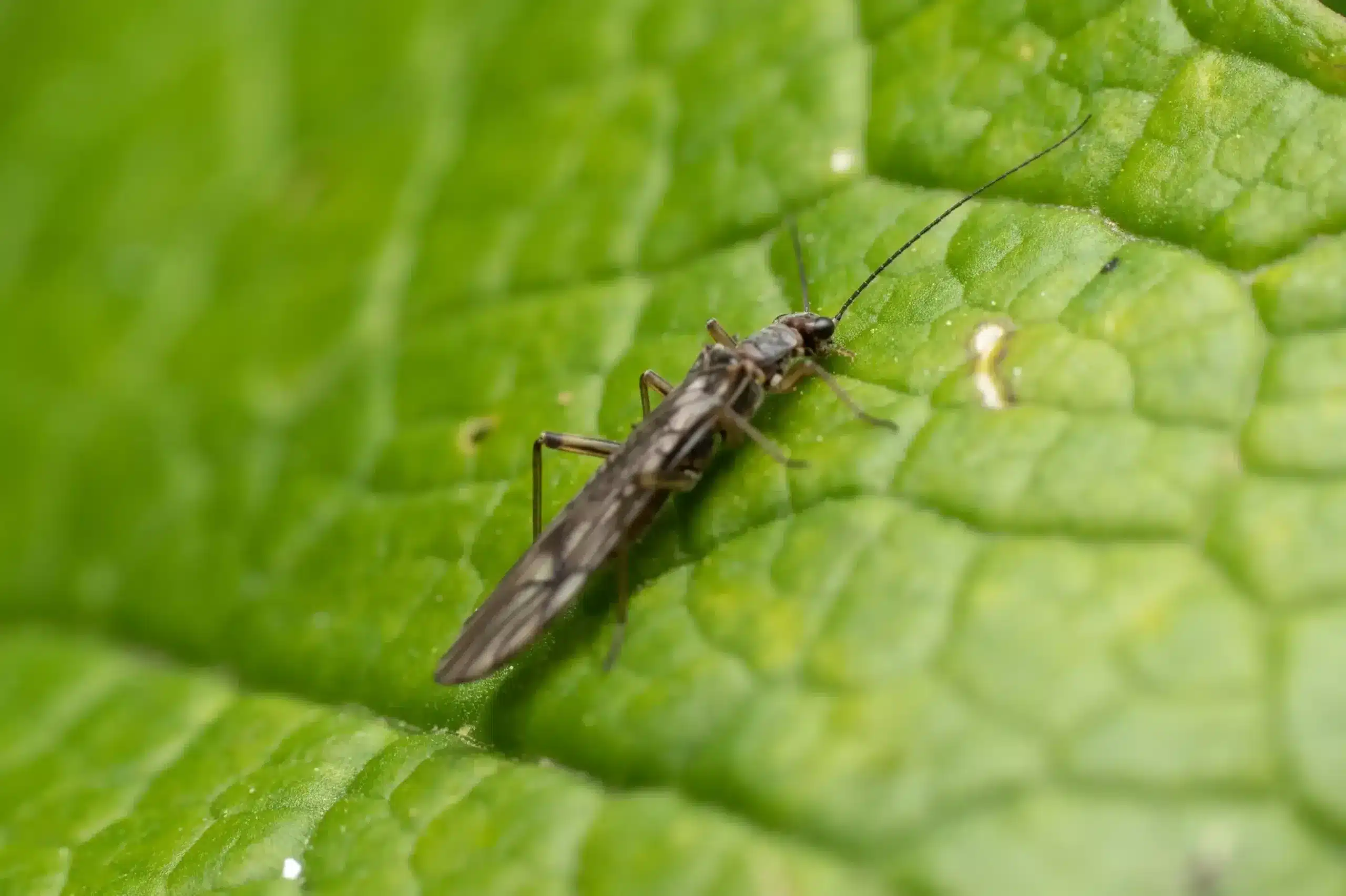
Representative scientific name: Lygus spp.
Lygus bugs affect strawberry fruit development by feeding on floral parts and developing fruits.
Major damage:
- Uneven fruit development.
- Fruit deformities.
- Localized stunted growth in fruit.
- Reduced percentage of marketable fruit.
Control efforts should focus on field monitoring during flowering and fruit setting. Attention should also be given to weeds along field edges and other alternative host plants.
If chemical control is necessary, confirm the specific pest species, product target, and strawberry usage label. Do not select products based solely on the pest’s broad taxonomic category.
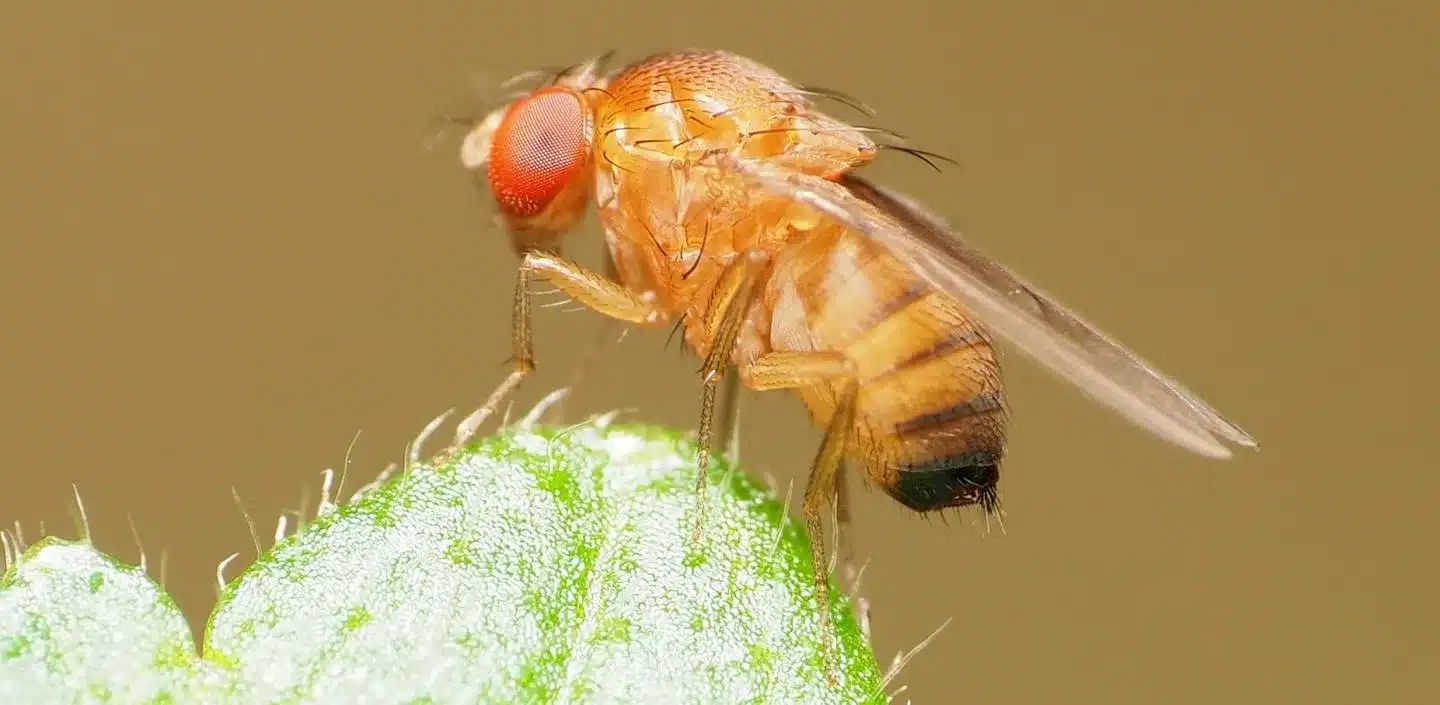
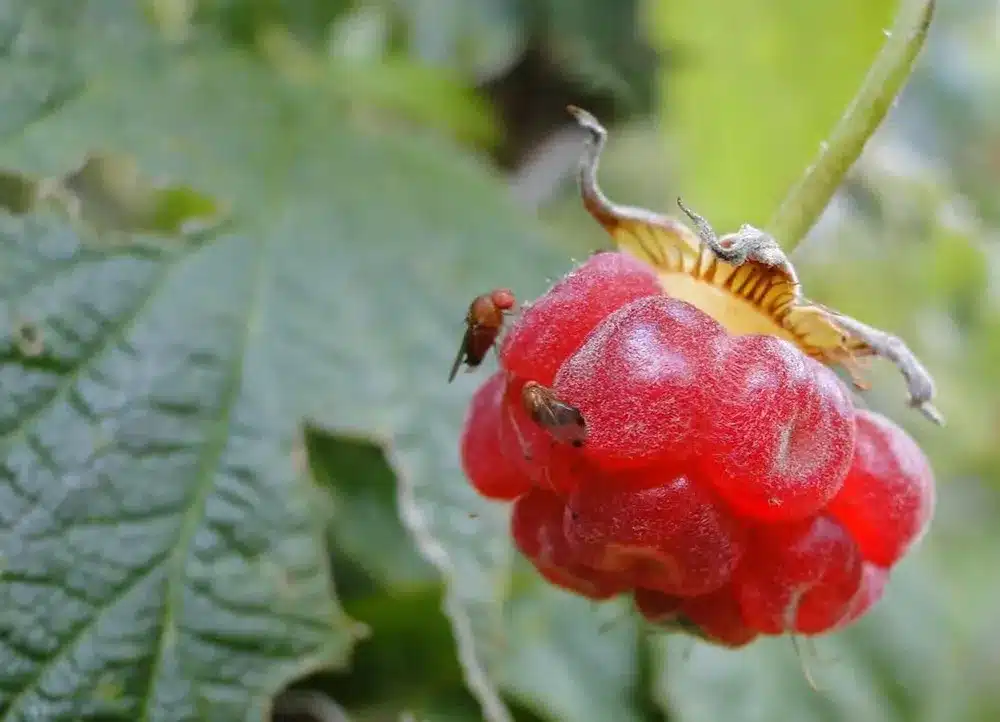
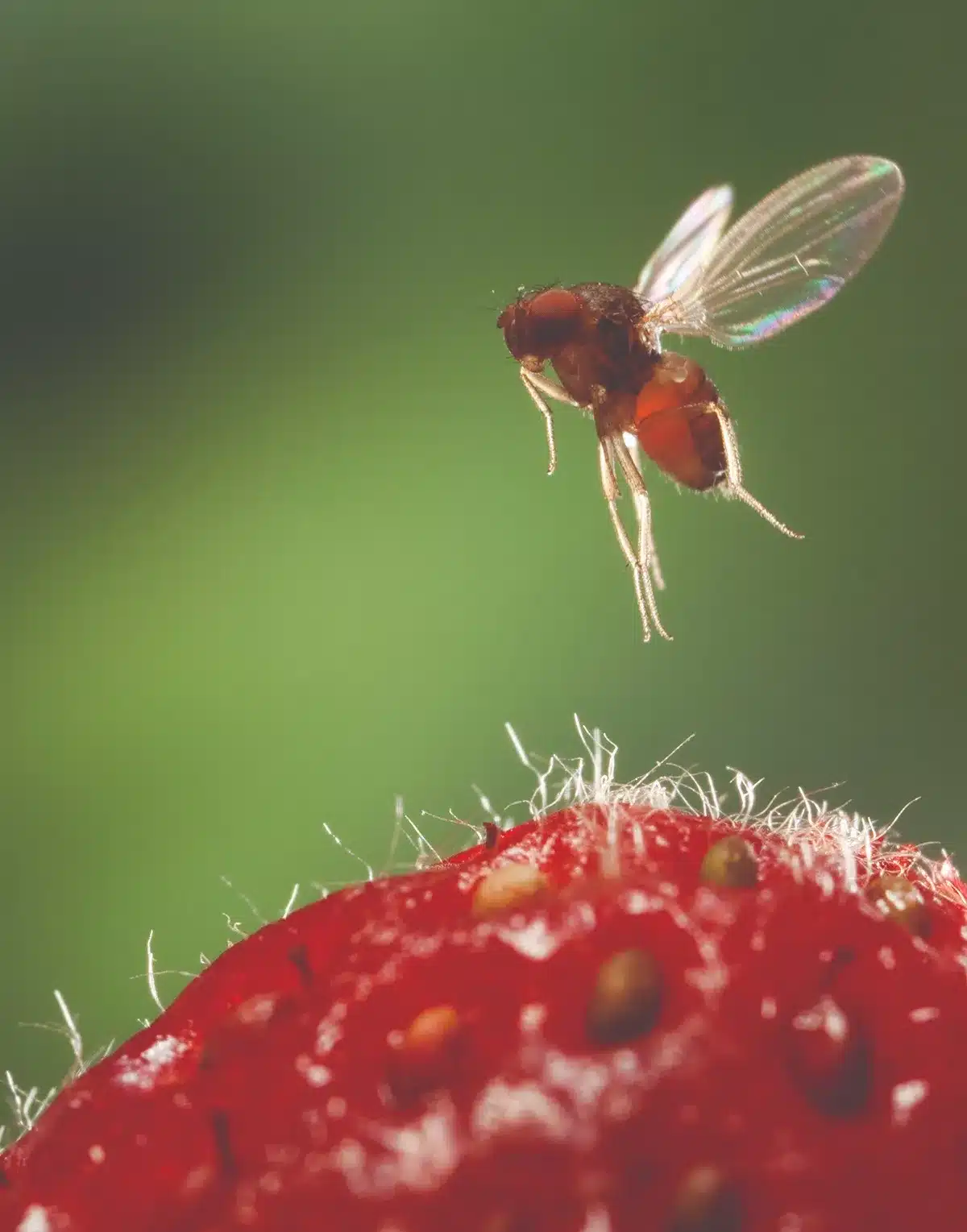
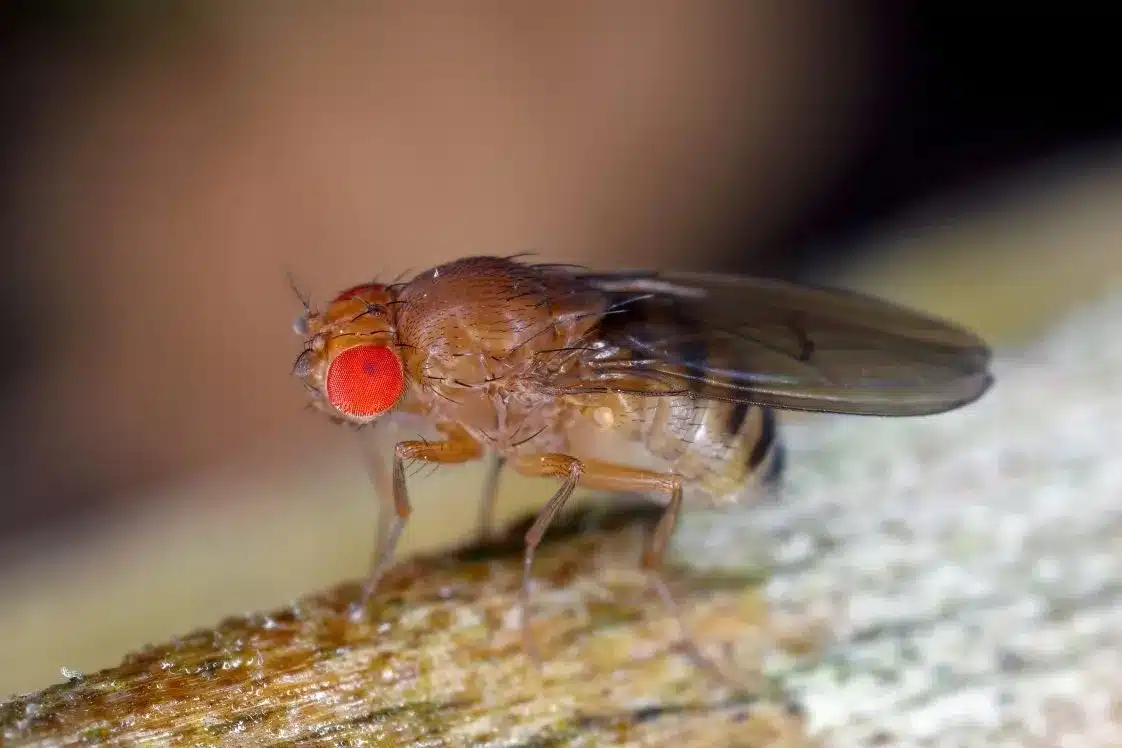
Spotted-Wing Drosophila
Scientific name: Drosophila suzukii
Spotted-wing drosophila is a pest that directly damages ripe and nearly ripe fruit.
Unlike many common fruit flies, female spotted-wing drosophila can use their serrated ovipositors to lay eggs in relatively intact fruit. The larvae then develop inside the fruit flesh.
Major damage:
- Larvae develop inside fruit.
- Fruit becomes soft.
- Premature fruit decay occurs.
- Spoilage accelerates during storage.
- Commercial value of fresh fruit declines.
Control Measures
- Establish appropriate monitoring and trapping programs.
- Increase harvesting frequency during fruit ripening.
- Promptly remove overripe and fallen fruit.
- Maintain field sanitation.
- Monitor for internal fruit pests.
- Select appropriate control measures based on actual pest pressure and approved product labels.
For spotted-wing drosophila, foliar spraying alone is insufficient because larvae primarily develop inside the fruit. Harvesting frequency and sanitation management are equally important.
Other Strawberry Pests
| Pest | Main Damage | Key Management Measures |
|---|---|---|
| Cyclamen Mite | Deformed young leaves and stunted plant growth | Inspect seedlings and monitor the crown area |
| Root Weevils | Damage to roots and crowns | Root inspection and adult monitoring |
| Cutworms | Damage to seedlings and crowns | Seedling-stage surveys and field cleanup |
| Root-Knot Nematodes | Root knot formation and root damage | Soil testing and crop rotation |
| Whiteflies | Sap feeding and honeydew contamination | Monitor leaf undersides |
| Slugs and Snails | Feeding damage to leaves and fruit | Manage field humidity and remove hiding places |
Major Strawberry Diseases and Integrated Pest Management
Strawberry diseases can affect roots, crowns, leaves, flowers, and fruit.
Environmental conditions and control methods vary by disease. It is therefore essential to distinguish between fungal, oomycete, and bacterial pathogens before selecting a management strategy.
Botrytis Gray Mold
Pathogen: Botrytis cinerea
Strawberry gray mold is one of the major diseases affecting marketable fruit yield. It can infect flowers and fruit and continue causing decay after harvest.
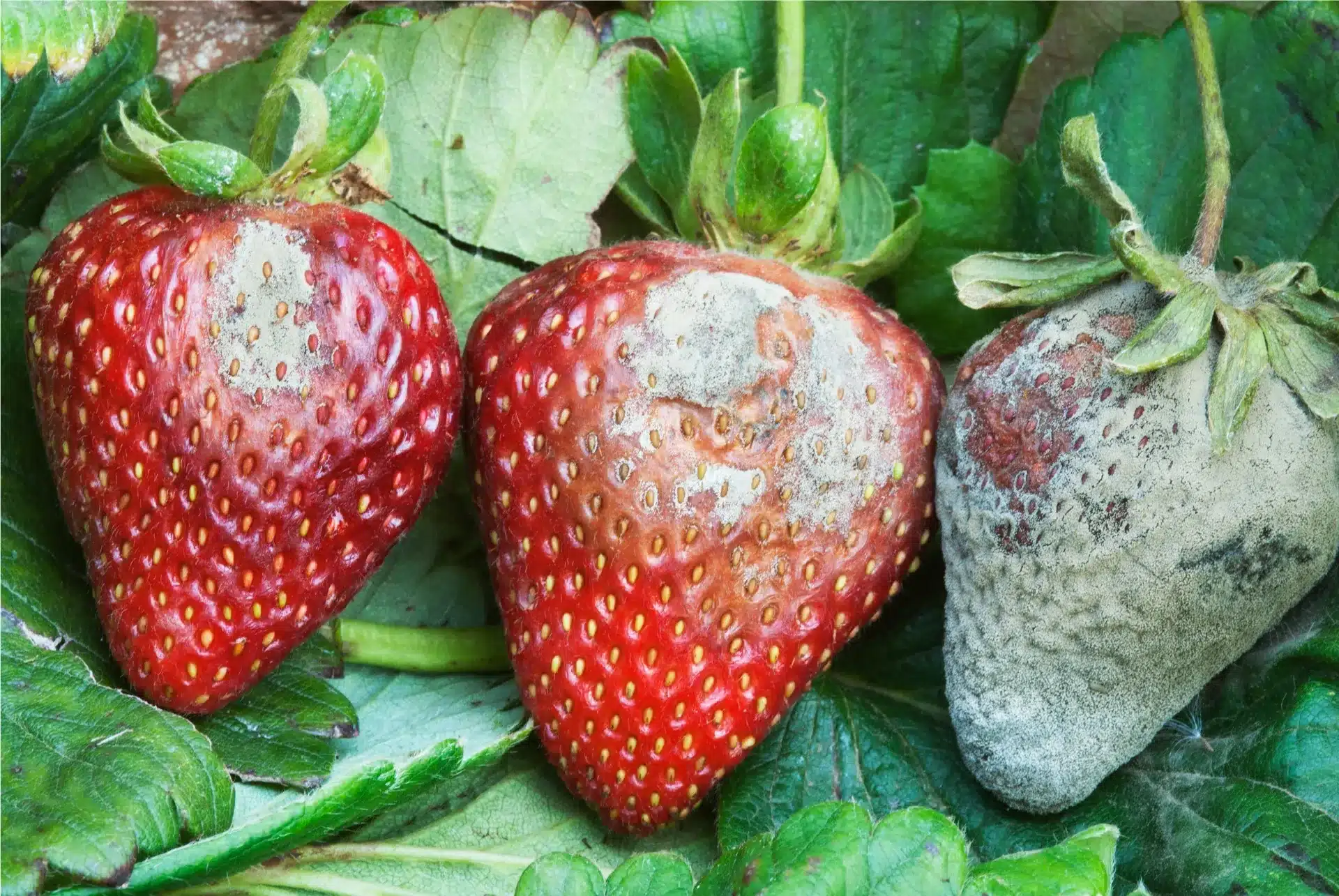
Main symptoms:
- Flowers turn brown and wither.
- Brown, soft rot lesions appear on fruit.
- Gray, fuzzy mold develops on infected fruit surfaces.
- Rotting areas gradually expand.
- Decay may continue during post-harvest storage.
Key Control Periods
The flowering period is a critical window for gray mold management. The pathogen may infect floral tissues during flowering, with visible symptoms appearing later during fruit development or ripening.
Integrated Management Strategies
- Select healthy seedlings.
- Remove wilted flowers and diseased fruit.
- Maintain good airflow between plants.
- Avoid unnecessary overhead irrigation.
- Monitor prolonged rainy, foggy, and high-humidity conditions.
- Apply protective fungicides according to infection risk, weather conditions, and approved product labels.
- Rotate fungicide modes of action according to FRAC resistance management principles.
Product Recommendation: Pyraclostrobin 12.8% + Boscalid 25.2% WDG
This formulated product contains two active ingredients with different modes of action:
- Pyraclostrobin: FRAC Group 11, a QoI fungicide that inhibits fungal respiration at the Qo site of mitochondrial complex III.
- Boscalid: FRAC Group 7, an SDHI fungicide that inhibits succinate dehydrogenase in mitochondrial complex II.
The two active ingredients act at different sites in the fungal respiratory chain.
SunAgro offers Pyraclostrobin 12.8% + Boscalid 25.2% WDG fungicide, whose product information lists strawberries as a target crop and identifies diseases including Botrytis and powdery mildew.
It is important to recognize that Botrytis cinerea has developed resistance to fungicides in FRAC Groups 7 and 11 in some strawberry-growing regions.
Therefore, this combination should not be promoted as resistance-free or as a solution to all gray mold problems.
Application programs should be developed according to local pathogen susceptibility, product labels, and resistance management requirements.

Anthracnose
Representative pathogens: Colletotrichum spp., including the C. acutatum species complex.
Anthracnose can infect the crown, petioles, runners, and fruit of strawberry plants.
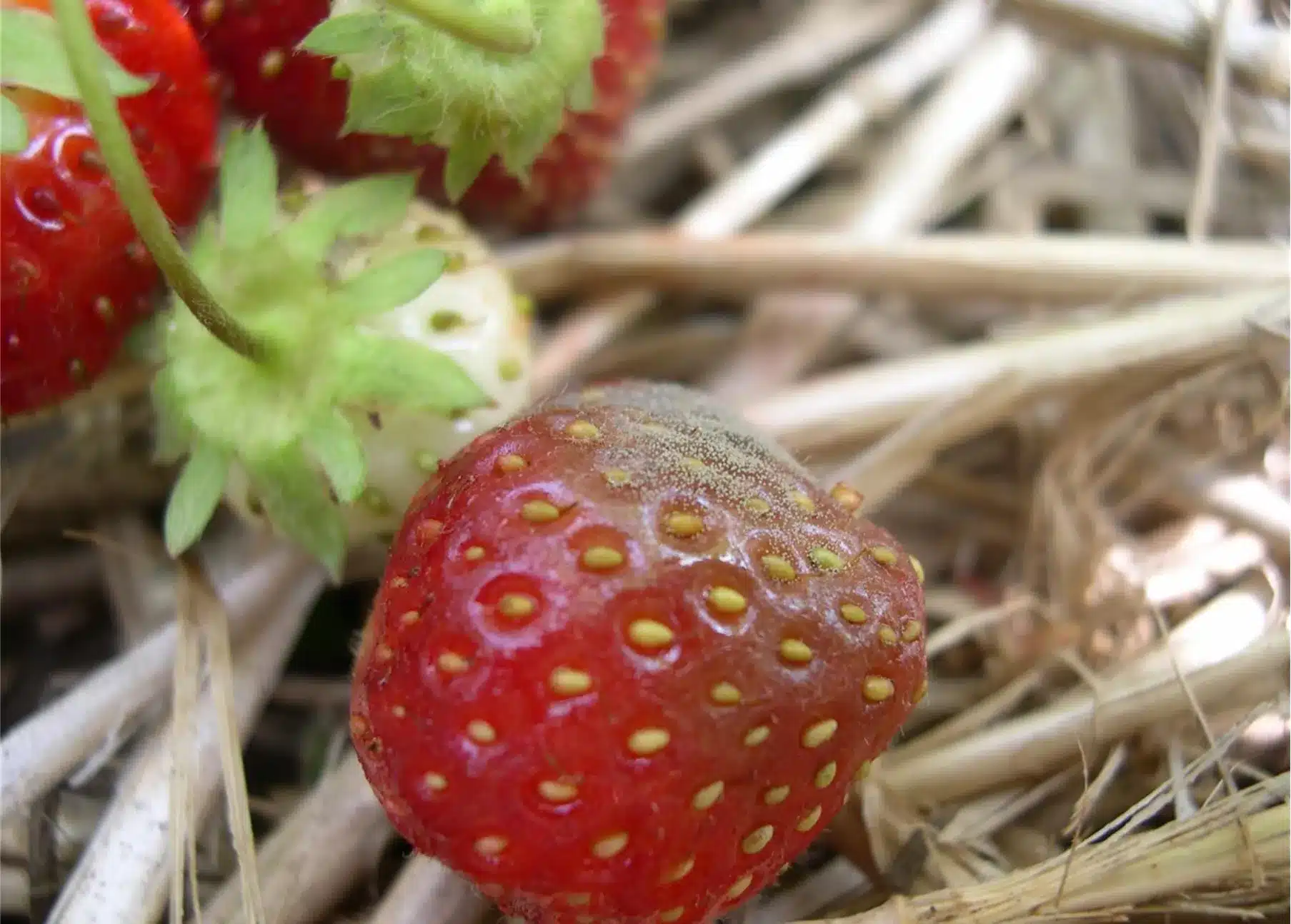
Major symptoms:
- Dark brown or black sunken lesions appear on fruit.
- Dark lesions develop on petioles and runners.
- Crown tissue turns brown.
- In severe cases, plants wilt or die.
- Fruit rot becomes more severe under humid conditions.
Key Stages of Occurrence
Attention is required during nursery production, transplanting, vegetative growth, and fruit development, especially when infected seedlings are introduced or when high temperature and humidity favor disease development.
Control Measures
- Purchase healthy seedlings.
- Inspect crowns and petioles.
- Remove infected plants and diseased fruit.
- Avoid prolonged leaf wetness.
- Improve field drainage.
- Apply appropriate protective fungicides according to disease risk and approved labels.
Product Recommendation: Captan 50% WP
Captan belongs to FRAC Group M04 and is a multisite, non-systemic, contact protective fungicide.
Its primary function is to form a protective layer on plant surfaces, reducing the likelihood of infection by susceptible fungal pathogens.
Captan 50% WP can be considered a candidate for a protective fungicide portfolio for fruits and vegetables.

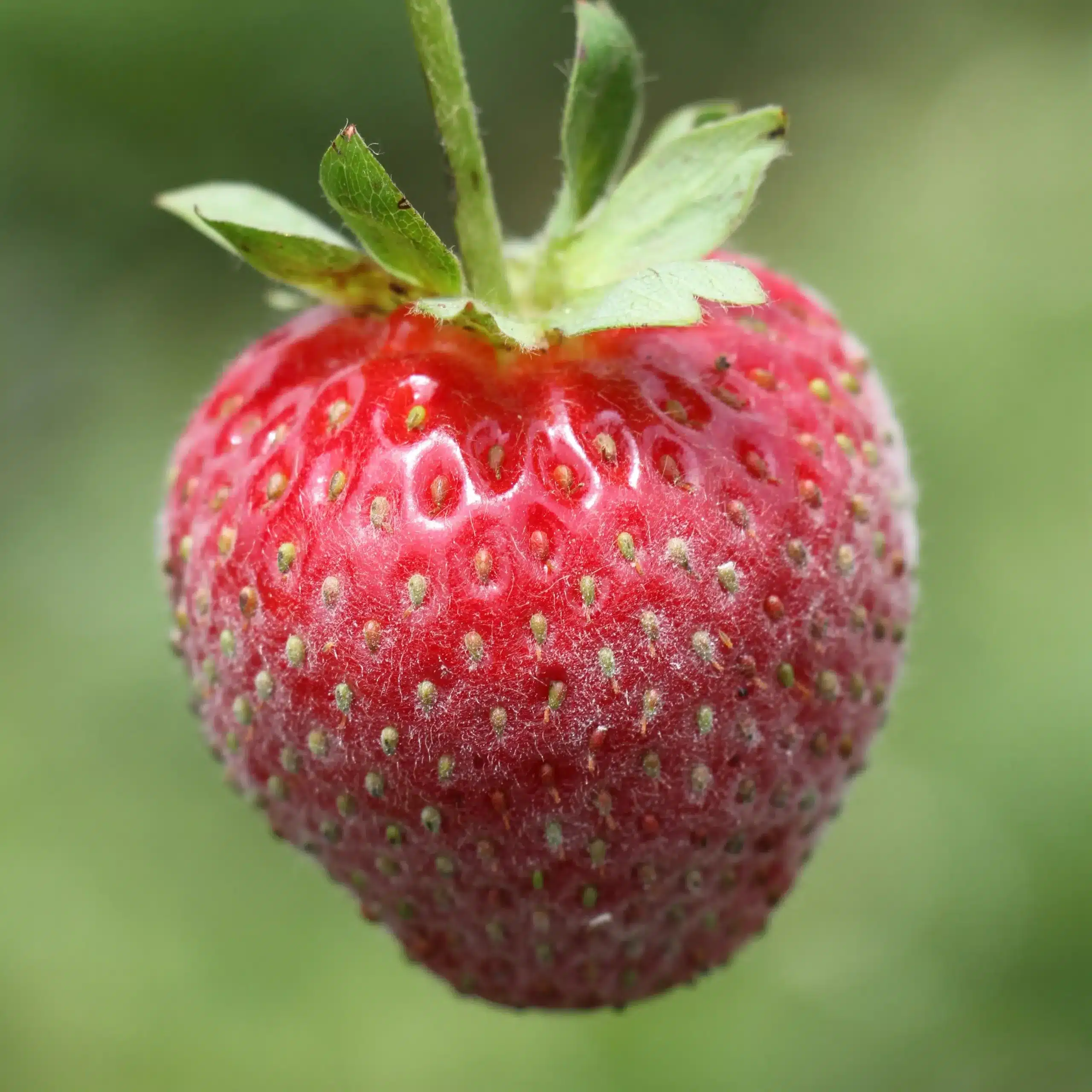
Powdery Mildew
Pathogen: Podosphaera aphanis
Powdery mildew primarily affects strawberry leaves, petioles, floral parts, and fruit.
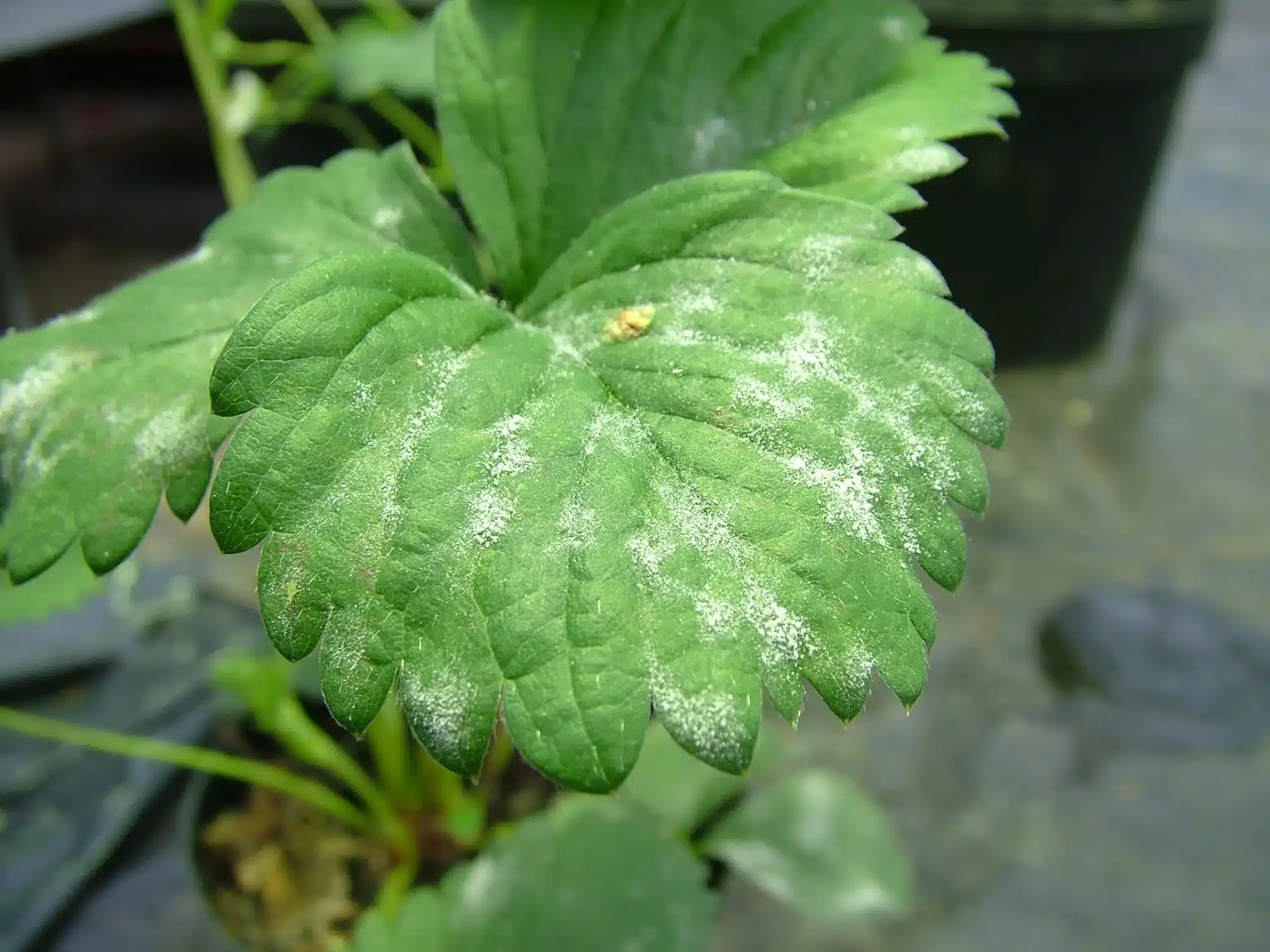
Main symptoms:
- White, powdery mycelium develops on the undersides of leaves.
- Leaf margins curl upward.
- Leaves develop purplish-red or brown discoloration.
- Photosynthetic activity is impaired.
- In severe cases, fruit surfaces may also become infected.
Unlike some other fungal leaf diseases, powdery mildew does not require large amounts of free moisture on leaf surfaces to develop. Suitable temperature, humidity, and canopy conditions can also promote disease progression.
Control Measures
- Regularly inspect the undersides of leaves.
- Maintain appropriate plant density.
- Avoid excessive nitrogen fertilization, which can encourage excessive vegetative growth.
- Promptly remove severely infected leaves.
- Select an appropriate fungicide according to disease development and the product label.
- Rotate FRAC Groups appropriately to reduce resistance selection pressure.
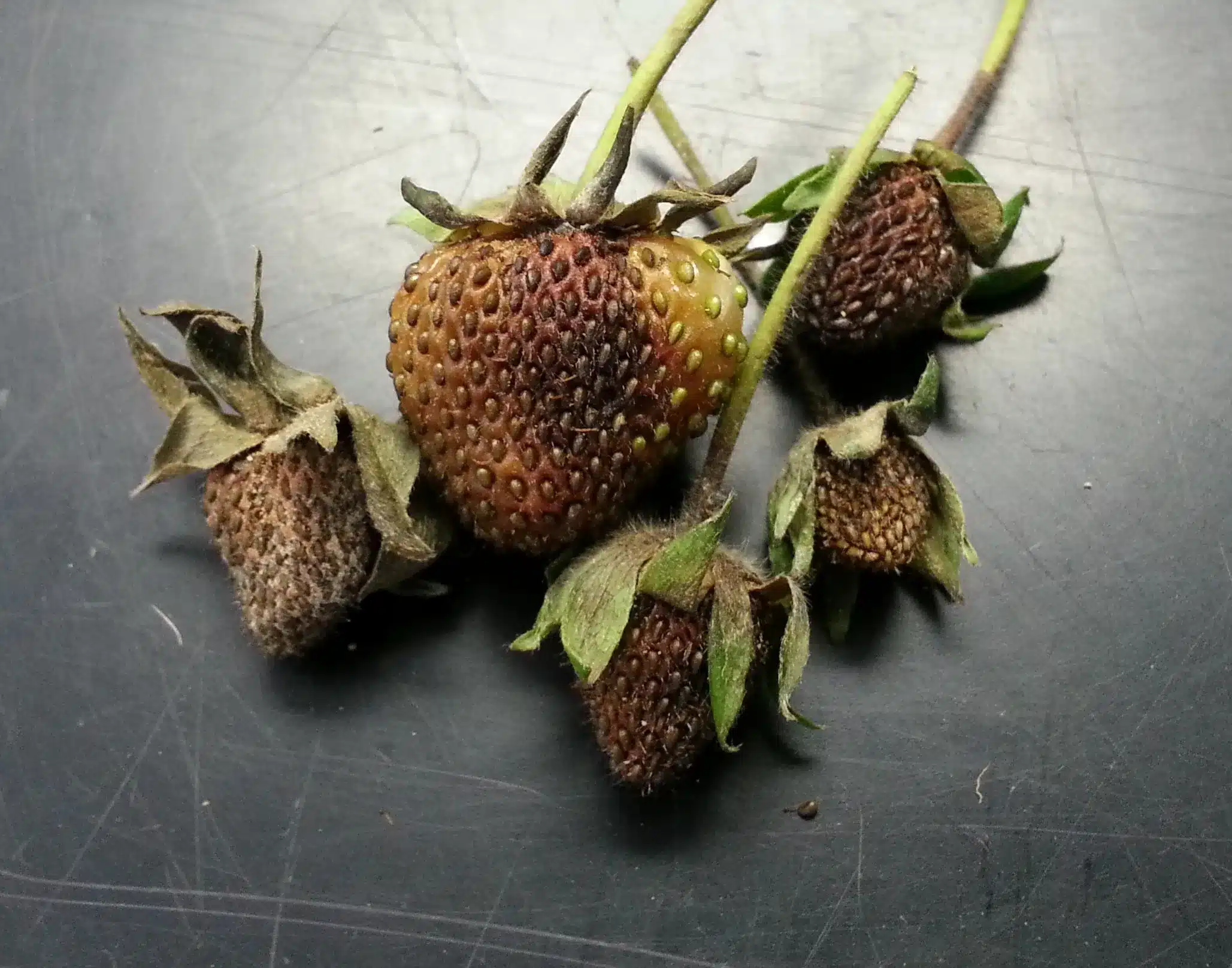
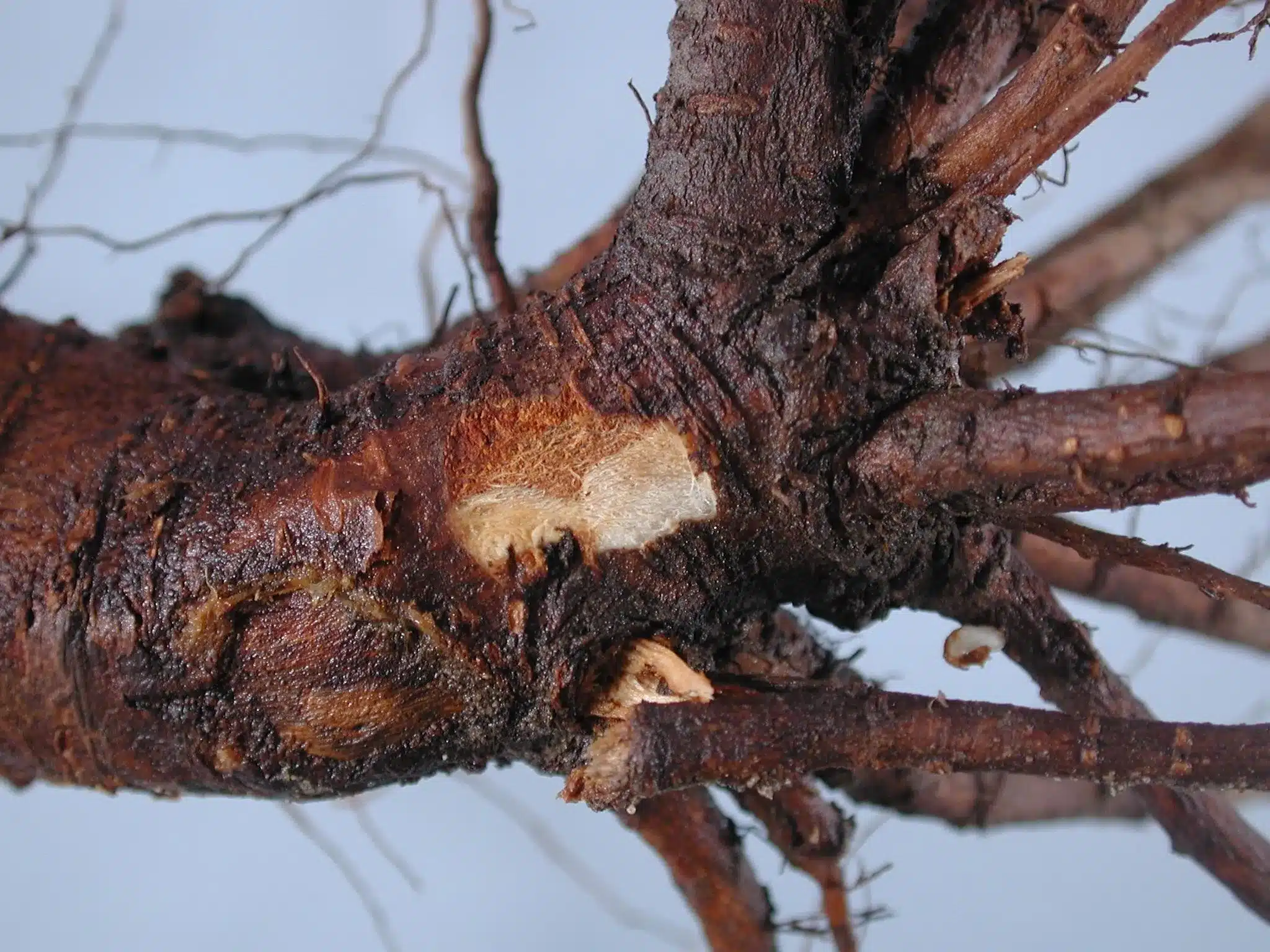
Phytophthora Crown and Root Rot
Representative pathogen: Phytophthora cactorum
Phytophthora belongs to the Oomycetes and should not be treated as an ordinary fungal pathogen.
It primarily affects the root system and crown.
Main symptoms:
- Plants gradually wilt.
- Roots turn brown and rot.
- Brown or chocolate-colored tissue develops inside the crown.
- Plant growth becomes significantly stunted.
- In severe cases, the entire plant dies.
Control Measures
- Select healthy seedlings.
- Avoid prolonged soil waterlogging.
- Improve field drainage.
- Use appropriate raised-bed planting systems.
- Remove severely infected plants.
- Select management methods based on accurate pathogen diagnosis.
General-purpose broad-spectrum fungicides should not be treated as universal solutions for Phytophthora diseases. Product selection must consider the pathogen’s biology and the specific label claims.
Red Stele Root Rot
Pathogen: Phytophthora fragariae
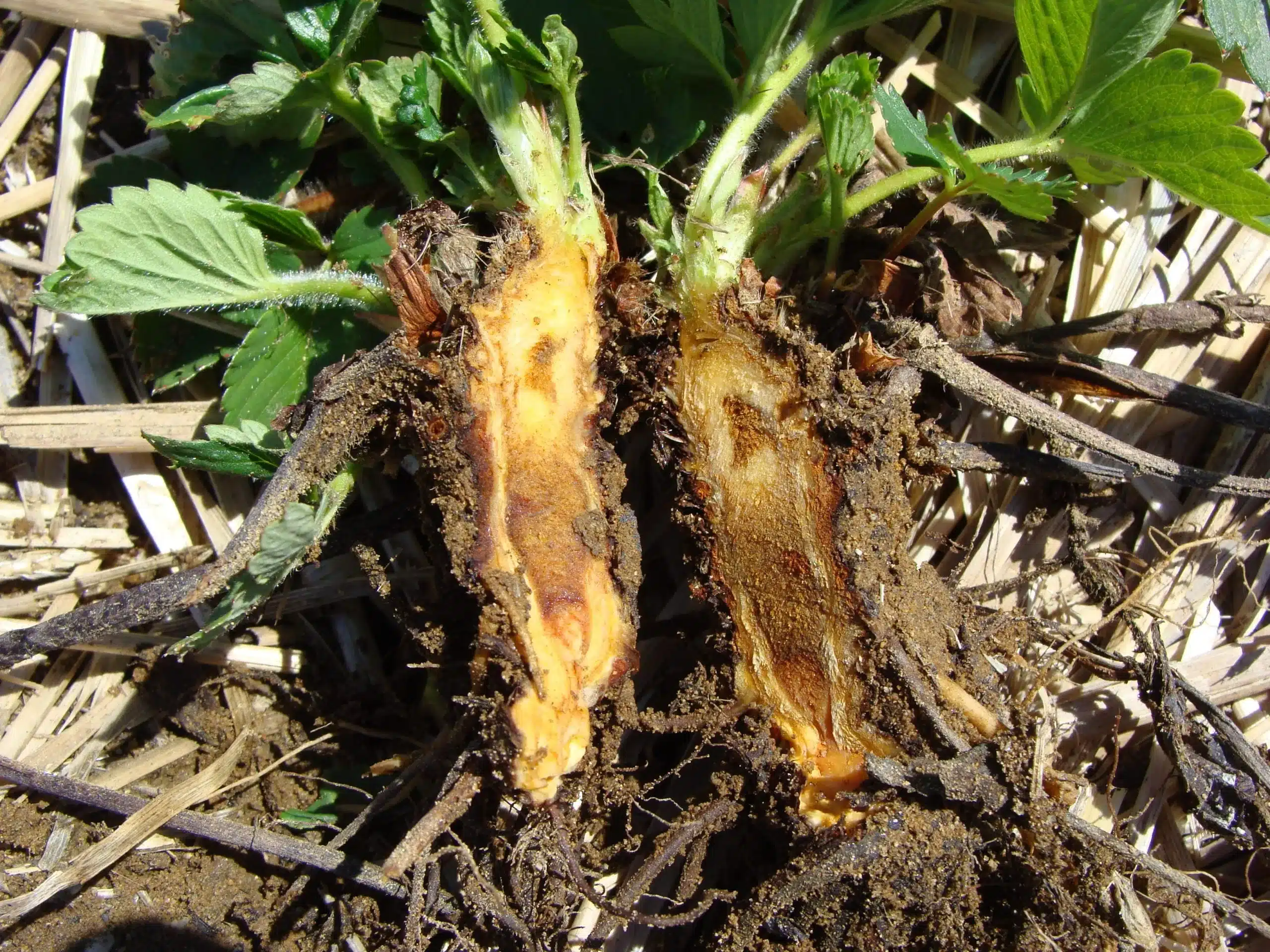
Red stele root rot primarily affects strawberry root systems and can cause significant plant decline under favorable conditions involving low temperatures, high soil moisture, and susceptible soil environments.
A characteristic symptom is red or reddish-brown discoloration of the central vascular tissue, which becomes visible when an infected root is cut lengthwise.
Management Priorities
- Use healthy planting material.
- Select planting sites with good drainage.
- Review the disease history of the soil.
- Implement appropriate crop rotation.
- Prevent pathogen spread through contaminated soil and infected planting material.
Red stele should be distinguished from root swelling caused by root-knot nematodes through root examination and appropriate pathogen diagnosis.
Biological Root-Zone Management
During seedling establishment and early root development, beneficial microorganisms can be incorporated into an integrated crop protection program.
Product Recommendation: Trichoderma harzianum 1 Billion CFU/g OD
Trichoderma harzianum is a beneficial fungus with potential value in biological disease management.
Its potential functions include:
- Root Colonization: Establishes within the root zone under suitable conditions.
- Competition: Competes with certain soil-borne microorganisms for nutrients and space.
- Antagonistic Activity: Antagonizes certain plant pathogens.
- Microbial Balance: Contributes to microbial balance in the root zone.
- Induced Resistance Support: May participate in plant defense responses under suitable conditions.
SunAgro offers Trichoderma harzianum 1 Billion CFU/g OD, formulated as an OD product with a specified viable microorganism count of 1 billion CFU/g.
This product can be considered a potential component of a root-zone biological management portfolio. However, it must not be marketed as a cure for established Phytophthora crown rot or red stele root rot.
When evaluating this product, consider viable propagule counts, storage conditions, soil environment, and compatibility with other pesticides.

Leaf Spot and Leaf Scorch
Common strawberry leaf diseases include:
| Disease | Pathogen | Main Symptoms |
|---|---|---|
| Common Leaf Spot | Mycosphaerella fragariae | Round lesions develop on leaves |
| Leaf Scorch | Diplocarpon earlianum | Reddish-brown to purplish-brown lesions appear on leaves |
| Angular Leaf Spot | Xanthomonas fragariae | Angular, water-soaked lesions develop on leaves |
| Verticillium Wilt | Verticillium dahliae | Plant wilting and vascular discoloration |
| Fusarium Wilt | Fusarium oxysporum f. sp. fragariae | Leaf yellowing and plant decline |
It is important to note that Angular Leaf Spot is a bacterial disease and should not be managed using the same approach as common fungal leaf spot diseases.
Management measures should include healthy planting material, removal of diseased plant debris, appropriate crop rotation, proper irrigation practices, and accurate pathogen diagnosis.
Post-Harvest Fruit Rot
Strawberries may develop several types of rot after harvest.
| Disease | Representative Pathogen | Main Symptoms |
|---|---|---|
| Gray Mold | Botrytis cinerea | Gray, velvety mold |
| Rhizopus Soft Rot | Rhizopus stolonifer | Rapid fruit softening and decay |
| Mucor Rot | Mucor spp. | Fruit rot and mold growth |
| Anthracnose Fruit Rot | Colletotrichum spp. | Dark, sunken lesions |
Post-harvest disease management cannot rely solely on field pesticide applications.
Harvest hygiene, removal of diseased fruit, rapid pre-cooling, clean packaging, and cold-chain stability are equally important.
Strawberry Weed Management
Weeds compete with strawberry plants for light, water, and nutrients. They may also serve as alternative hosts for pests and certain pathogens.
Because strawberry plants are relatively short and have shallow root systems, they are particularly susceptible to weed competition during early growth.
Major Weed Types
| Weed Type | Common Species | Major Impacts |
|---|---|---|
| Annual Grasses | Crabgrass, Goosegrass, Foxtail | Compete with strawberries for water and nutrients |
| Broadleaf Weeds | Pigweed, Lambsquarters, Chickweed | Interfere with plant growth and field aeration |
| Perennial Grasses | Bermudagrass | Persistent competition and difficult control |
| Sedges | Yellow Nutsedge, Purple Nutsedge | Propagate through underground tubers and are difficult to manage |
| Other Weeds | Common Groundsel, Wild Mustard | Affect field sanitation and harvesting operations |
Pre-Plant Weed Management
- Remove existing weeds before planting.
- Identify areas where perennial weeds are present.
- Implement appropriate stale seedbed management.
- Consider soil solarization where environmental conditions are suitable.
- Establish a relatively weed-free field before transplanting.
Weed Management During Vegetative Growth
- Use plastic mulch to reduce weeds on raised beds.
- Perform manual weeding in a timely manner.
- Use appropriate mechanical weeding between rows.
- Control weeds along field edges.
- Prevent weeds from flowering and setting seed.
Chemical Weed Control
Strawberries have high crop safety requirements for herbicides. Particular attention must be paid to the sensitivity of transplanted plants, leaves, runners, and developing fruit.
Herbicides must be selected according to the specific strawberry production system, weed species, application timing, and product label instructions.
A herbicide suitable for controlling a particular grass or broadleaf weed should not automatically be considered safe for strawberries.
Where clear evidence supporting a product’s suitability for strawberries is unavailable, priority should be given to plastic mulching, manual weeding, and appropriate mechanical management. Unconfirmed herbicide uses should not be recommended.
Strawberry Growth Regulation and Plant Management
Decisions regarding strawberry growth regulation must be based on cultivar characteristics, plant vigor, production systems, and management objectives.
Key management areas include:
- Vegetative Growth: Management of vegetative development.
- Runner Management: Control of runner production according to the cultivation system.
- Canopy Management: Maintaining suitable canopy density and airflow.
- Flowering: Management of flower buds and flowering development.
- Fruit Development: Maintaining balanced plant growth during fruit production.
Prohexadione-Calcium 10% WDG
Prohexadione-Calcium 10% WDG is a plant growth regulator (PGR) that influences vegetative growth by inhibiting specific steps in gibberellin biosynthesis.
Its product positioning primarily involves:
- Shoot Growth Control: Regulation of new shoot growth.
- Vegetative Growth Regulation: Management of excessive vegetative growth.
- Canopy Management: Supporting appropriate canopy development.
- Crop Structure Regulation: Managing plant structure according to production objectives.
Whether strawberries require a growth regulator depends on cultivar characteristics, plant vigor, growing conditions, and specific production objectives.
Prohexadione-Calcium should not be considered a routine or essential product for every strawberry production system. Actual application must follow the applicable product label and technical requirements for strawberries.

Strawberry Harvesting, Sorting, and Packing
Strawberry harvesting is a critical link between field production and market distribution.
Strawberries are soft, have high water content, and are highly susceptible to mechanical damage and rapid deterioration. Even when pests and diseases are effectively managed in the field, improper harvesting and packing can still result in significant commercial losses.
Determining Harvest Maturity
Harvest timing is generally determined by fruit color development, fruit size, firmness, and market requirements.
Key quality indicators:
- Color: Uniformity and degree of fruit coloration.
- Size: Fruit size and grading requirements.
- Shape: Uniformity and characteristic fruit shape.
- Firmness: Fruit firmness and handling tolerance.
- Soluble Solids: Soluble solids content.
- Freedom from Defects: Absence of obvious diseases and mechanical damage.
The fresh-market sector typically has higher requirements for fruit color, shape, and visual integrity, while processing applications may use different ripeness levels and grading standards.
Harvest Handling
During harvesting, the following practices should be observed:
- Avoid bruising the fruit.
- Minimize fruit drops from the plant into harvesting containers.
- Use clean harvesting containers.
- Promptly remove rotten and damaged fruit.
- Avoid prolonged exposure to high temperatures after harvest.
- Schedule harvesting frequency according to the production system.
For day-neutral varieties, maintain consistent personnel, containers, and sorting procedures during continuous harvesting.
Sorting and Packaging
Post-harvest sorting is typically required to meet market specifications.
| Process | Main Objective |
|---|---|
| Size Grading | Classification by fruit size |
| Color Grading | Classification by ripeness and color |
| Defect Removal | Removal of rotten, damaged, and misshapen fruit |
| Quality Inspection | Inspection of fruit firmness and appearance |
| Clamshell Packaging | Packing in transparent clamshell containers |
| Batch Traceability | Maintaining batch identification and traceability |
During packaging, avoid excessive compression while ensuring adequate ventilation.
Strawberry Pre-Cooling, Storage, Transportation, and Marketing
Post-harvest quality management directly affects strawberry shelf life and final market value.
Rapid Pre-Cooling
Field heat should be removed from strawberries as quickly as possible after harvest.
Forced-air cooling is one of the common pre-cooling methods used in commercial strawberry production.
Main objectives:
- Lower fruit temperature.
- Slow down respiration.
- Reduce moisture loss.
- Delay spoilage.
- Maintain fruit firmness and marketable appearance.
Cold Storage Management
Reference storage conditions for strawberries:
| Parameter | Recommended Reference Values |
|---|---|
| Storage Temperature | 0 ± 0.5°C |
| Relative Humidity | 90–95% |
| Primary Objectives | Reduce water loss and delay spoilage |
| Key Risks | Temperature fluctuations, condensation, mechanical damage |
Strawberries require a stable, low-temperature environment during storage.
Excessively low humidity accelerates water loss, while condensation inside packaging may increase the risk of spoilage. Temperature and humidity should therefore be managed together with packaging ventilation and cold-chain conditions.
Transportation Management
Key transportation priorities:
- Cold Chain Continuity: Maintain stable low-temperature conditions.
- Temperature Monitoring: Monitor temperature throughout transportation.
- Packaging Protection: Use suitable packaging to protect fruit.
- Ventilation: Maintain appropriate airflow.
- Mechanical Damage Prevention: Minimize vibration, impact, and excessive stacking pressure.
- Batch Traceability: Maintain accurate batch identification.
During long-distance transportation, avoid repeated temperature fluctuations and excessive stacking pressure.
Market Distribution and Quality Inspection
When entering wholesale, retail, and export markets, strawberries typically undergo the following quality inspections:
| Inspection Item | Key Points |
|---|---|
| Appearance | Appearance and color uniformity |
| Fruit Size | Fruit size and grading consistency |
| Firmness | Fruit firmness |
| Decay Rate | Percentage of decayed fruit |
| Packaging Integrity | Packaging condition and protection |
| Residue Compliance | Pesticide residue requirements |
| Batch Traceability | Batch identification and traceability |
Commercial strawberry quality depends not only on field crop protection but also on post-harvest handling and logistics management.
Incorporating these steps into the overall production plan is essential for minimizing losses from harvesting to final sale.
Post-Harvest Plant Renewal and Preparation for the Next Season
The end of harvesting does not mean that strawberry production management is completely finished.
Different production systems require different renewal measures.
Renewal for Perennial Runner Cultivation
For the Matted Row System, which is suitable for perennial management, the following post-harvest measures can be considered according to field conditions:
- Mowing: Appropriately trim old leaves.
- Row Narrowing: Control planting row width.
- Runner Management: Retain healthy daughter plants where appropriate.
- Weed Control: Remove competing weeds.
- Field Sanitation: Remove diseased plant debris.
- Irrigation Management: Restore appropriate irrigation practices.
- Nutrient Management: Apply nutrients according to plant requirements.
Field Cleanup for Annual Raised-Bed Plasticulture
For the Annual Plasticulture System, the following steps are typically taken after the final harvest:
- Remove plant debris.
- Remove plastic mulch that needs replacement.
- Clean up diseased and fallen fruit.
- Inspect the soil and root zone for problems.
- Record major pests and diseases from the current season.
- Plan the next planting cycle.
Renewal of Day-Neutral Strawberries
The Day-Neutral System typically requires continuous runner management to prevent excessive runner production from diverting resources away from fruit production.
The decision to retain plants for another season should be based on cultivar characteristics, plant health, production facilities, and expected yield.
After harvesting, review the following:
- Which diseases were most severe?
- Which pests require priority monitoring?
- Which fungicides or insecticides showed insufficient performance?
- Which fields require crop rotation or management adjustments?
- Which crop protection products should be prioritized for the next purchasing season?
Strawberry Pesticide Selection and Resistance Management
Strawberry pest and disease management should not rely solely on the quantity of products applied. Greater attention should be given to active ingredients, modes of action, application timing, and resistance management.
Modes of Action of Major Products
| Active Ingredient | Product Type | Group | Primary Management Focus |
|---|---|---|---|
| Etoxazole | Acaricide | IRAC 10B | Eggs and immature stages of susceptible mites |
| Flonicamid | Insecticide | IRAC 29 | Aphids and certain sucking pests |
| Pyraclostrobin | Fungicide | FRAC 11 | QoI-sensitive fungal pathogens |
| Boscalid | Fungicide | FRAC 7 | SDHI-sensitive fungal pathogens |
| Captan | Fungicide | FRAC M04 | Multisite contact protection |
| Trichoderma harzianum | Biofungicide | Biological agent | Root zone microbial management |
| Prohexadione-Calcium | PGR | Plant Growth Regulator | Vegetative growth and canopy regulation |
Why Should Modes of Action Be Rotated?
Long-term, continuous use of insecticides or fungicides with the same mode of action may increase resistance selection pressure.
Recommendations:
- Select different modes of action according to the target pest or pathogen.
- Follow the resistance management principles of IRAC and FRAC.
- Do not treat different trade names within the same group as genuine mode-of-action rotation.
- Monitor local resistance surveillance information where available.
- Combine cultural, biological, and chemical control methods.
It should be noted that although Pyraclostrobin + Boscalid is a combination product containing FRAC Groups 11 and 7, this does not eliminate resistance risks.
For strawberry gray mold in particular, resistance has been documented across multiple fungicide groups. Product selection and rotation should therefore be based on local resistance information and approved label requirements.
Pre-Harvest Pesticide Residue Management
Strawberries are characterized by continuous harvesting, so particular attention must be paid to:
- PHI: Pre-Harvest Interval.
- MRL: Maximum Residue Limit.
- REI: Restricted-Entry Interval.
- Application Records: Accurate pesticide application records.
- Seasonal Application Limits: Maximum seasonal application limits.
All pesticide application schedules should be aligned with harvesting dates and the applicable product label rather than relying solely on standard spraying intervals.
SunAgro Strawberry Crop Protection Product Selection Guidelines
Strawberry production requires the coordinated selection of different crop protection products according to pest pressure, disease risks, plant growth stages, and production systems.
SunAgro’s product portfolio can be evaluated around the following requirements:
| Product Category | Representative Product Specifications | Primary Application Focus |
|---|---|---|
| Acaricides | Etoxazole 20% SC | Candidate for mite management |
| Insecticides | Flonicamid 50% WDG | Candidate for aphid management |
| Fungicides | Pyraclostrobin 12.8% + Boscalid 25.2% WDG | Product targeting strawberry fungal diseases |
| Protectant Fungicides | Captan 50% WP | Protective fungicide portfolio |
| Biofungicides | Trichoderma harzianum 1 Billion CFU/g OD | Root-zone biological management |
| Plant Growth Regulators | Prohexadione-Calcium 10% WDG | Growth regulation candidates |
It is important to distinguish between a product’s technical specifications and its specific crop application label.
The products listed above do not imply that all have been confirmed as suitable for every strawberry production system or all target pests and diseases.
Actual procurement and application decisions should be based on verification of product specifications, formulation, labels, target organisms, crop suitability, and usage restrictions.
Frequently Asked Questions About Strawberry Crop Protection
What Are the Most Common Diseases in Strawberry Production?
Common strawberry diseases include Botrytis gray mold, anthracnose, powdery mildew, Phytophthora crown and root rot, red stele, and leaf spot.
The timing of disease development and appropriate management methods vary by pathogen. Control programs should be tailored according to pathogen diagnosis, environmental conditions, and crop growth stages.
When Should Gray Mold in Strawberries Be Controlled?
The flowering period is a critical window for gray mold management.
The pathogen may infect floral tissues during flowering, while visible rot symptoms may appear later during fruit development or ripening.
Monitoring should therefore be intensified before, during, and after flowering. Control measures should be scheduled according to weather conditions, field infection risks, and approved product labels.
Which Parts of the Strawberry Plant Are Primarily Affected by Anthracnose?
Anthracnose can affect the fruit, crown, petioles, and runners.
Fruit typically develops dark, sunken lesions, while crown infection can cause plant wilting and, in severe cases, plant death.
How Should Strawberry Spider Mites Be Controlled?
Regularly inspect the undersides of leaves to identify mite species and assess infestation severity.
Combine biological control methods, such as the use of predatory mites, with appropriate acaricides when necessary. Select products according to mite developmental stages and rotate active ingredients based on IRAC resistance management principles.
Can Flonicamid Be Used to Control Aphids on Strawberries?
Flonicamid is an insecticide primarily targeting aphids and belongs to IRAC Group 29.
However, whether a specific formulation can be used on strawberries must be verified against its product label, including the listed crop and target aphid species.
The general application characteristics of an active ingredient alone are not sufficient to confirm a specific product’s suitability for strawberries.
Why Do Strawberries Often Produce Deformed Fruit?
Possible causes include insufficient pollination, low temperatures during flowering, Lygus bug feeding, thrips damage, and other forms of floral injury.
The actual cause should be determined by evaluating flower development, fruit symptoms, and pest monitoring results. Not all deformed fruit should automatically be attributed to insect damage.
How Often Should Fungicides Generally Be Applied to Strawberries?
There is no single application interval suitable for all strawberry production systems.
Application timing should be determined by the risks of Botrytis, anthracnose, powdery mildew, local weather conditions, product label instructions, resistance management requirements, and harvesting schedules.
How Should Strawberries Be Stored After Harvest?
A commonly used reference storage condition for strawberries is approximately 0 ± 0.5°C with relative humidity of 90–95%.
Strawberries should be pre-cooled as soon as possible after harvesting. Temperature fluctuations should be minimized, packaging ventilation should be maintained, and mechanical damage should be avoided.
What Are the Primary Propagation Methods Used in Commercial Strawberry Cultivation?
Commercial strawberry production primarily uses plug plants, bare-root plants, and runner plants.
Most commercial production systems involve transplanting nursery-grown plants rather than direct seeding with ordinary strawberry seeds.
Can Biological Fungicides Completely Eliminate Strawberry Root Rot?
No.
Microbial products such as Trichoderma harzianum can serve as preventive tools within integrated root zone management programs.
However, they cannot replace healthy seedlings, drainage management, soil sanitation, crop rotation where appropriate, and pathogen-specific control measures.
Partner with SunAgro to Develop a Strawberry Crop Protection Product Portfolio
Strawberry production requires the coordinated selection of appropriate insecticides, acaricides, fungicides, biological crop protection products, and plant growth regulators according to different crop growth stages.
SunAgro supplies its branded crop protection products to agricultural importers, distributors, registration companies, brand owners, and agricultural enterprises seeking reliable products for import, local registration, and distribution cooperation.
We can discuss active ingredients, concentrations, formulations, packaging specifications, technical documentation, and product requirements according to your target market.
If you are developing a crop protection product portfolio for strawberries or other fruit crops, contact SunAgro to discuss product specifications and supply cooperation tailored to your market.